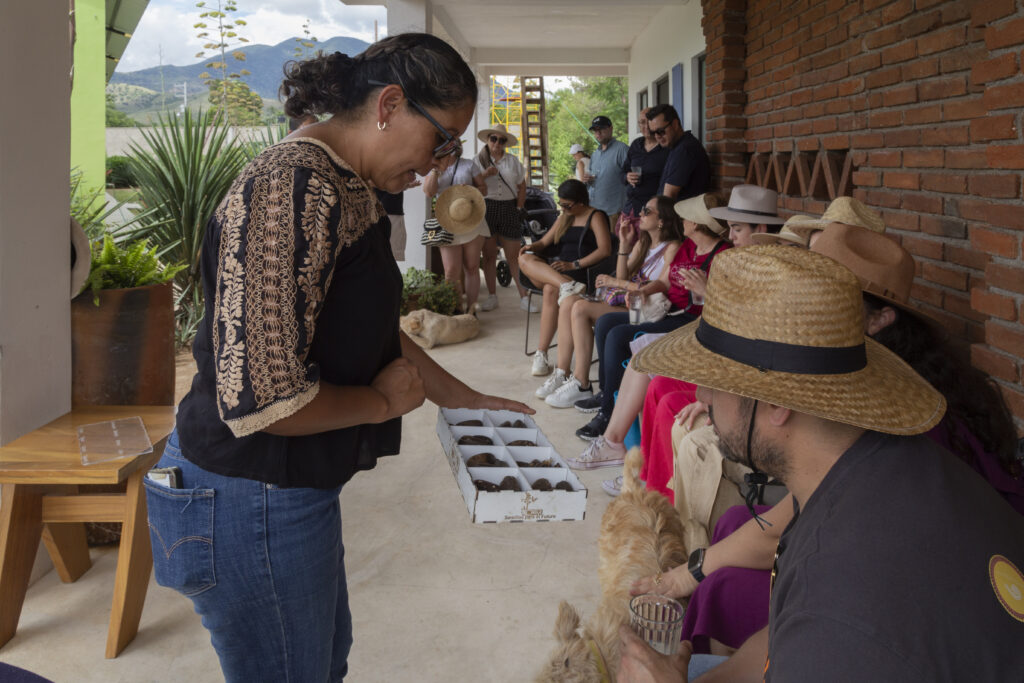

The LAM Project is an initiative dedicated to the rescue, conservation, and propagation of mezcal agaves, as well as to conducting research from a citizen science perspective.
It was founded within the family-run Mezcal de los Ángeles cooperative in Santa Catarina Minas, Oaxaca, as a way to put into practice the values of environmental and social responsibility that guide our work
At the same time, it is a way to honor the legacy of Lorenzo Ángeles Mendoza—our father—through the things that defined his life: his love for plants, maguey cacti, nature, and his concern for the environment. —nuestro padre— a través de aquello que marcó su vida: su amor por las plantas, los magueyes, la naturaleza y su preocupación por el cuidado del medio ambiente.
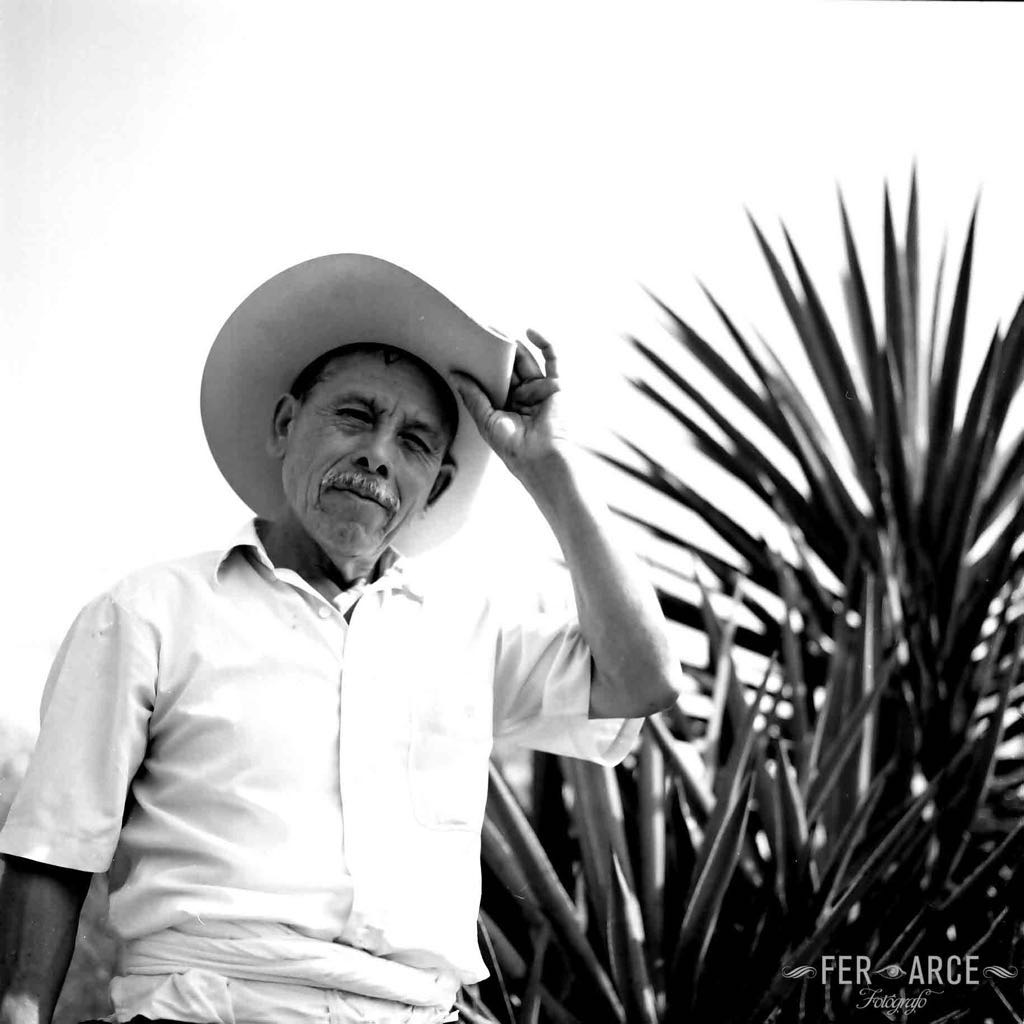
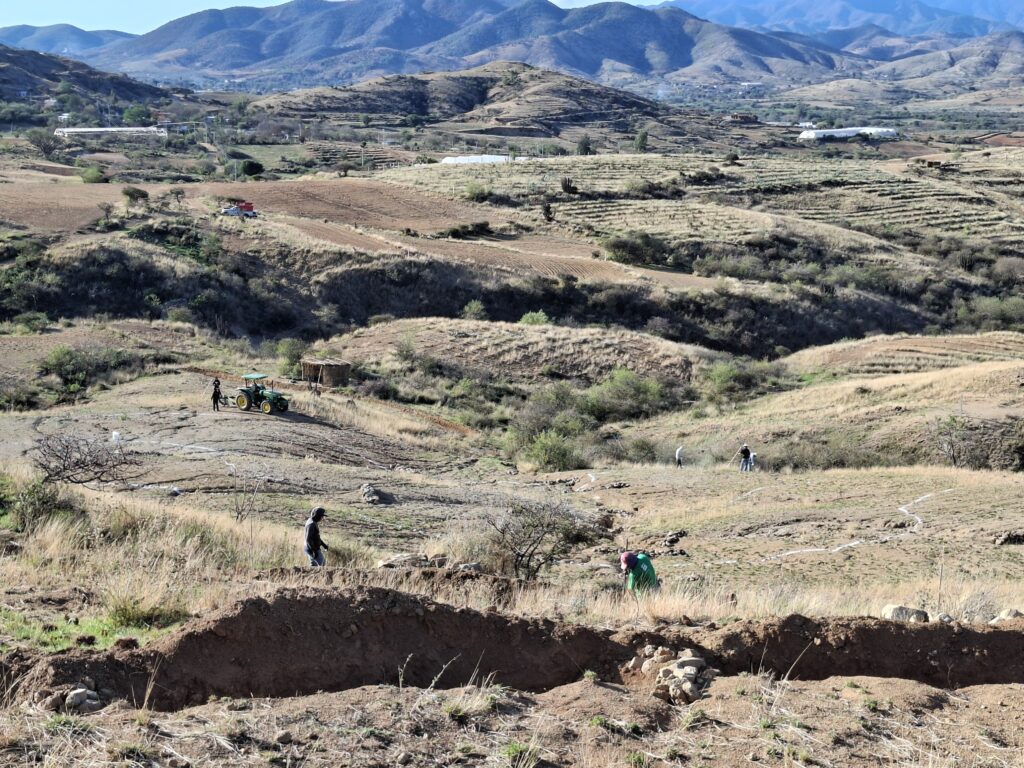
The project is located on a plot of land with a rich family history. This property originally belonged to our great-grandfather, known as Papá Chico, a visionary man for his time. Years later, the land was inherited by his daughter, Severa Angeles Angeles, who moved to what is now Mexico City in the 1970s. Once she had settled there permanently, she decided to sell the property to our father.
The place, known as “El Mango” because of the enormous tree that still stands there today, was home for years to an avocado orchard that remained productive until 1993, when it became infested with pests and our father decided to cut it down, marking the beginning of a new chapter for our family and our land.
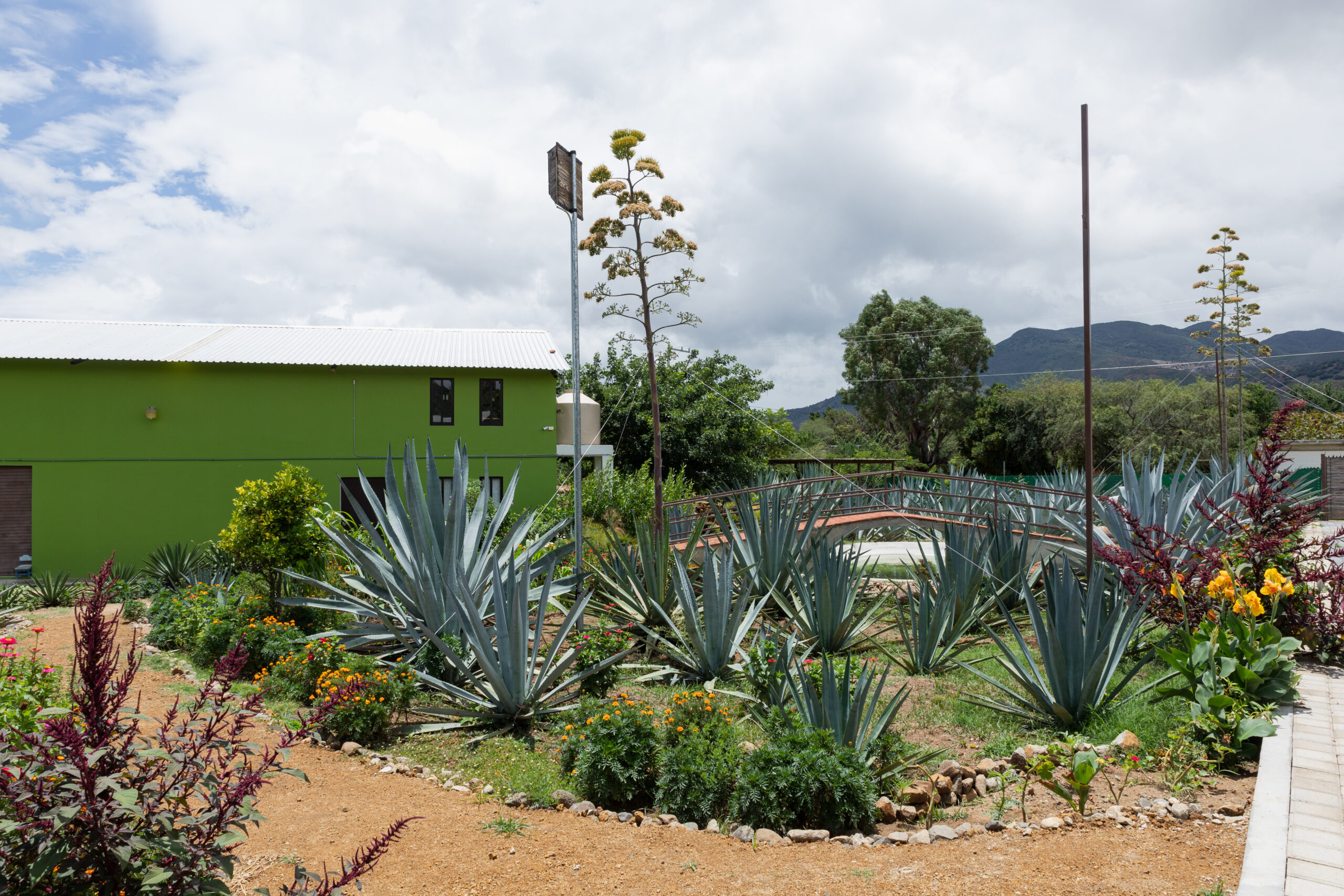
Our work is rooted in the biological richness of Oaxaca, the state with the greatest diversity of agave species in Mexico, where more than 40 species have been recorded, seven of which are endemic. In the Central Valleys, the region where the LAM Project is based, this vast biodiversity coexists with one of the country’s leading mezcal-producing areas.
However, the international boom in this beverage over the past few decades has led to intensive exploitation of the maguey plant in the region, highlighting urgent issues such as:
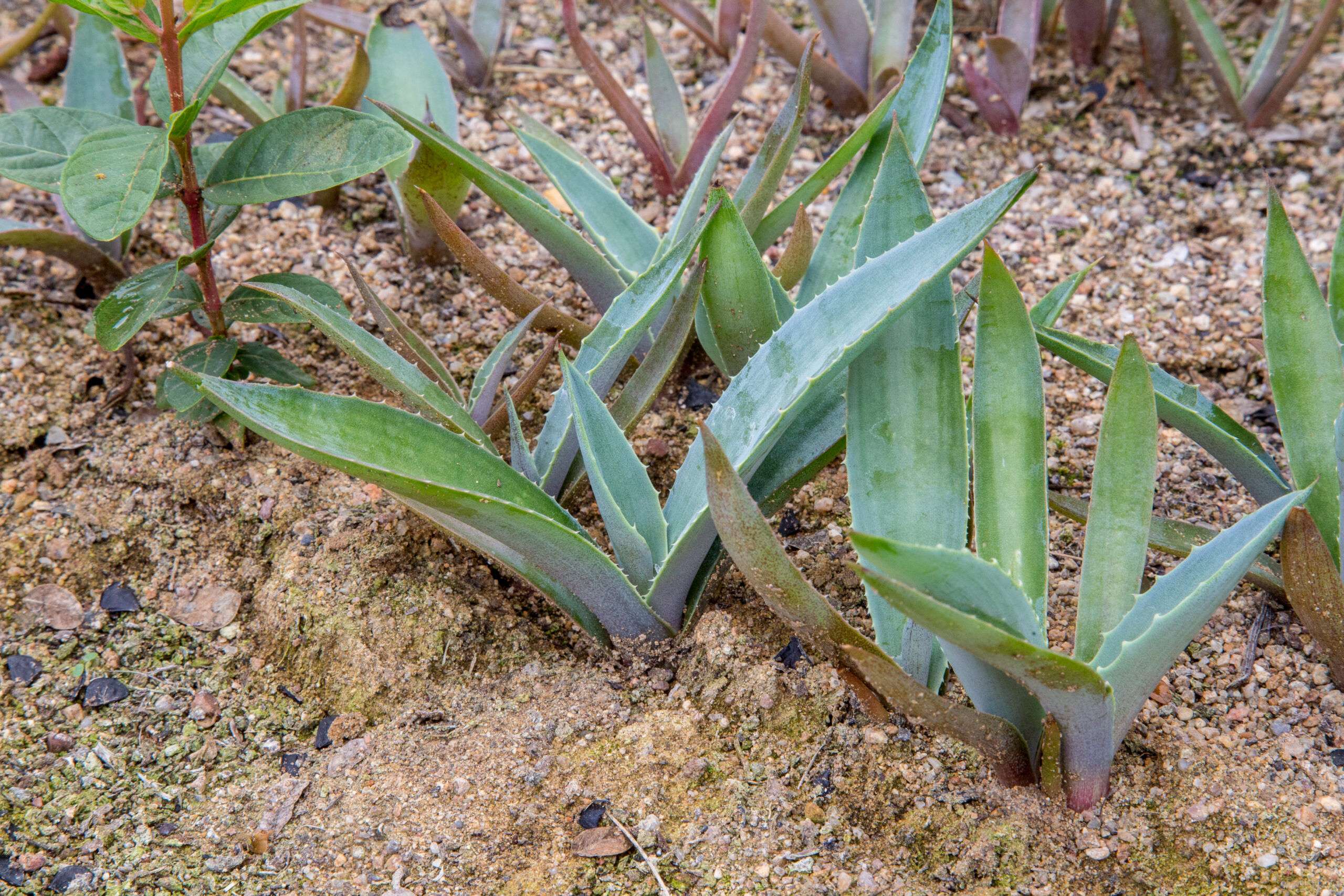
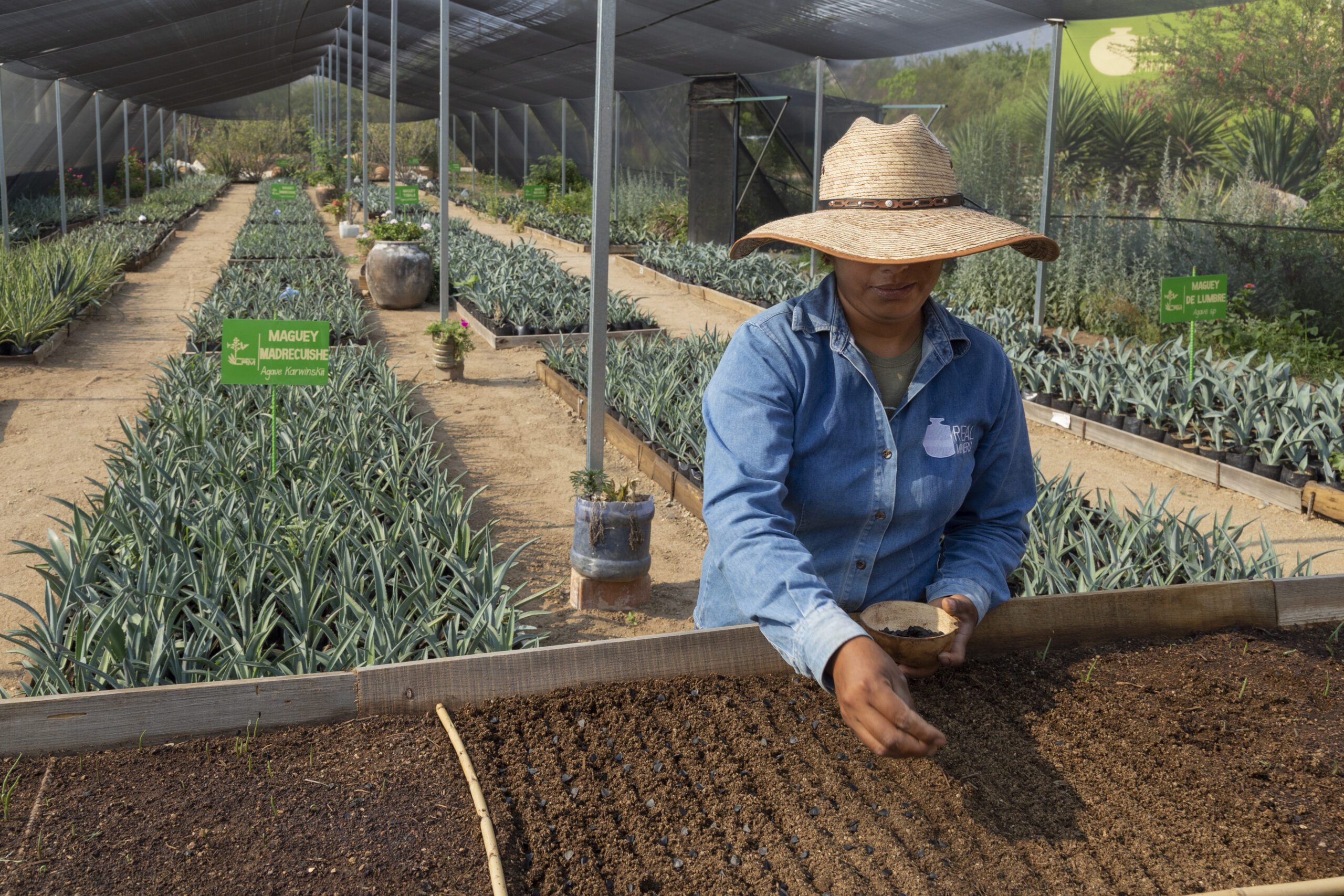
Faced with this situation, and as a family of producers, we decided to take action by cultivating mother plants and germinating seeds. What began as a family endeavor to better understand our own maguey plants gradually grew over time into the comprehensive project we now know as the LAM Project.
In 2018, after meeting another nature enthusiast, biologist Matías Domínguez Laso—who collaborated with Real Minero from that year until 2025—we began our first field visits to start planning the creation of this new space. In early 2019, the transformation began into a garden specializing in agaves from the mezcal-producing region to which we belong and species associated with their cultivation.
Since then, efforts have been made to establish the collection as a center for applied research, in accordance with the criteria of the Mexican Association of Botanical Gardens:
After seven years of hard work, observation, and constant experimentation, we continue to learn and gain insights into the pollination, flowering, and seed reproduction of the Oaxacan agaves in the region where our community has traditionally harvested them.
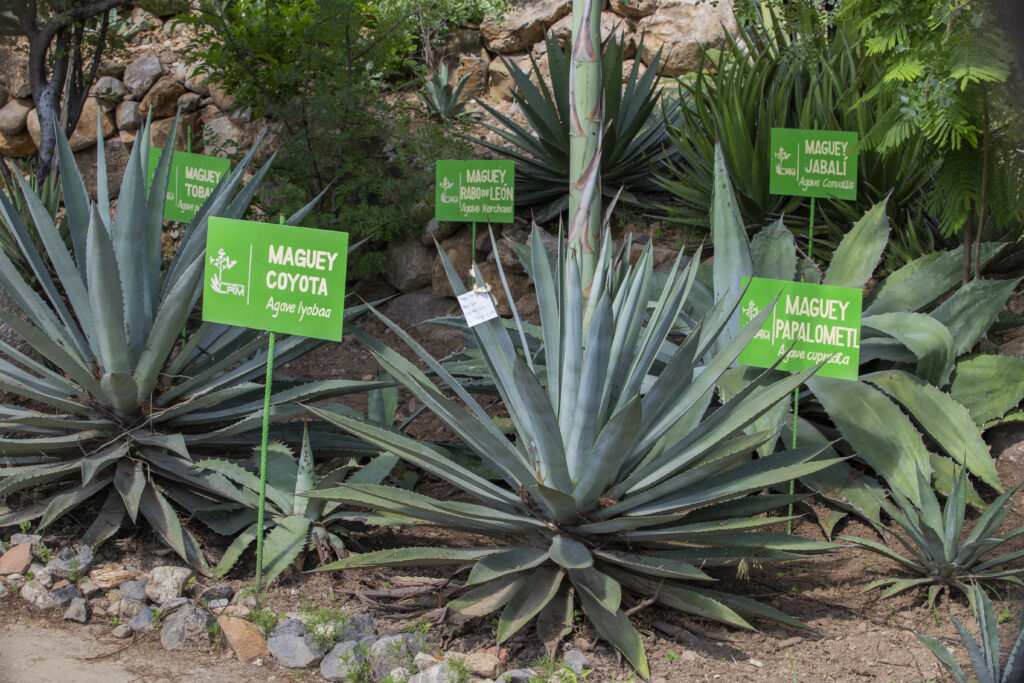
Since its inception, the LAM Project has been guided by a citizen science approach, with a focus on environmental education and the rural school model. We are currently in the second phase of the project, in which we aim to expand on these areas of focus through knowledge exchange with other producers and researchers, while strengthening our ties with associations and universities. Our goal is to share the knowledge generated in our spaces and plots to promote more sustainable practices that contribute to the care of the territories where maguey is cultivated.
In March 2026, María Magdalena Padilla del Muro took over as director of Proyecto LAM, joining the project at a stage that also focuses on the design and implementation of agroecological management plans on our properties and the creation of a Voluntarily Designated Conservation Area (ADVC).
We currently offer:
The LAM Project is an independent initiative supported by:
These resources make it possible to support the team behind the project, purchase materials for the upkeep of the sites, and continue to generate scientific knowledge and public outreach—key tools for promoting the care and conservation of the maguey and its habitats.