Learning, generating, and sharing knowledge rooted in the territory.
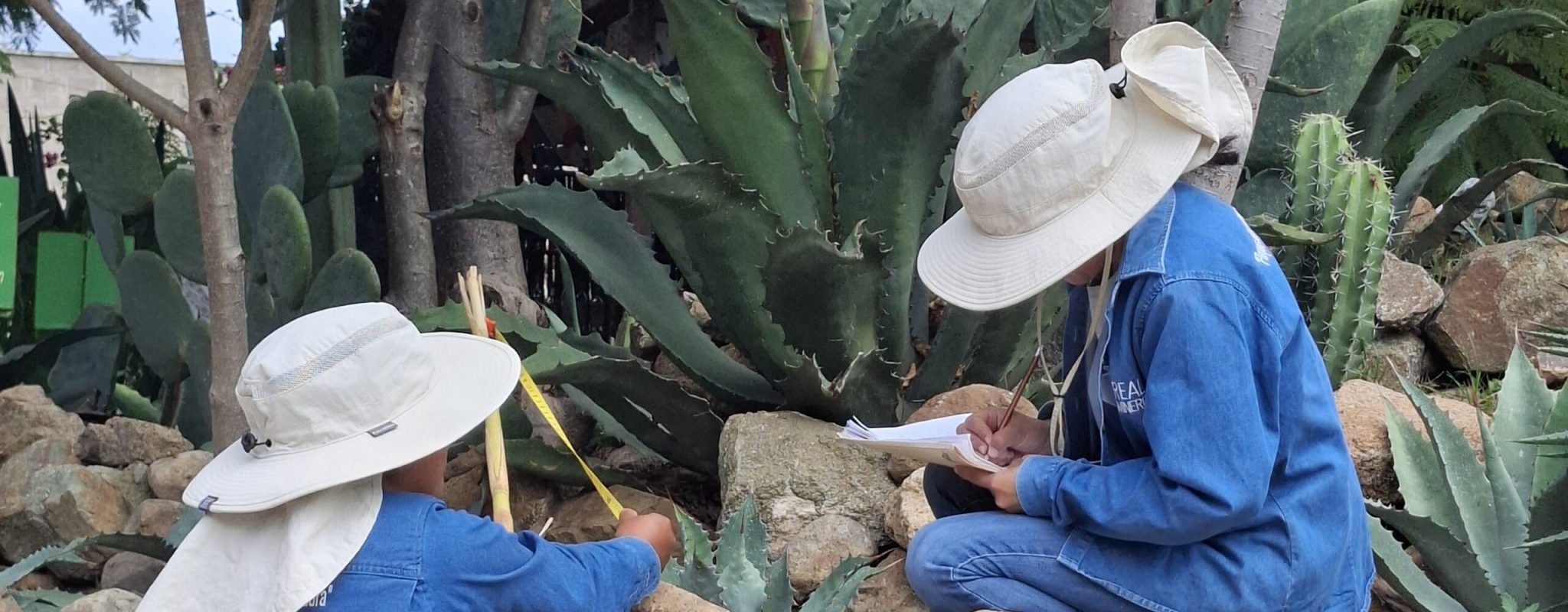
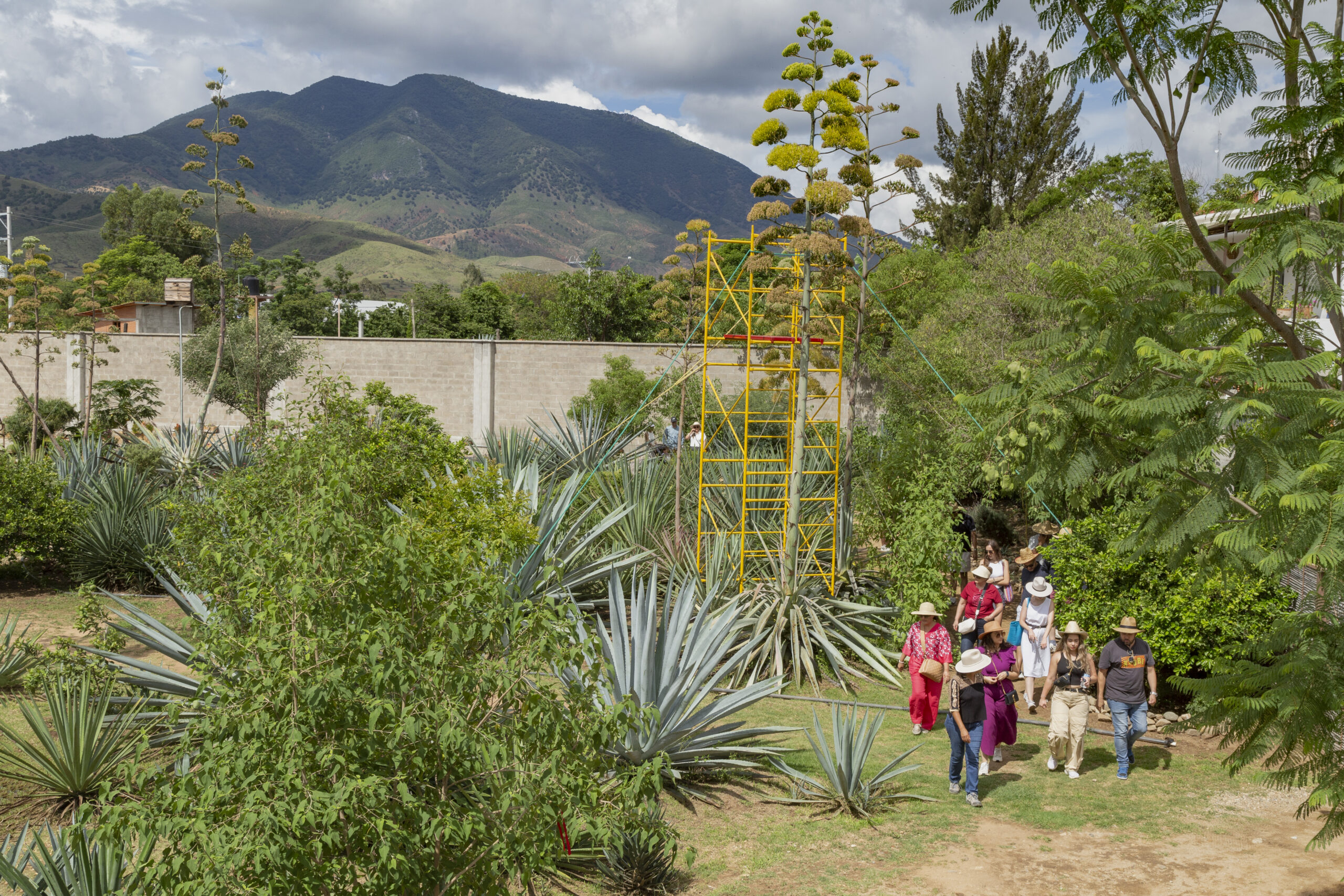
At Proyecto LAM, we see our workspaces as places not only for conservation, but also for observation, learning, and knowledge creation. The botanical garden, nurseries, and field sites allow us to monitor the processes we support and explore questions about agaves, their management, and the ecological relationships around them.
We seek to bring scientific knowledge together with the knowledge and experience of those who live on and manage the land, and to create spaces where this shared knowledge can continue to grow.
Photograph by Magdalena Padilla
Photograph by Magdalena Padilla
Photograph by Magdalena Padilla
Photograph by Magdalena Padilla
Photograph by Magdalena Padilla
Photograph by Magdalena Padilla
Photograph by Magdalena Padilla
We generate knowledge through practice.
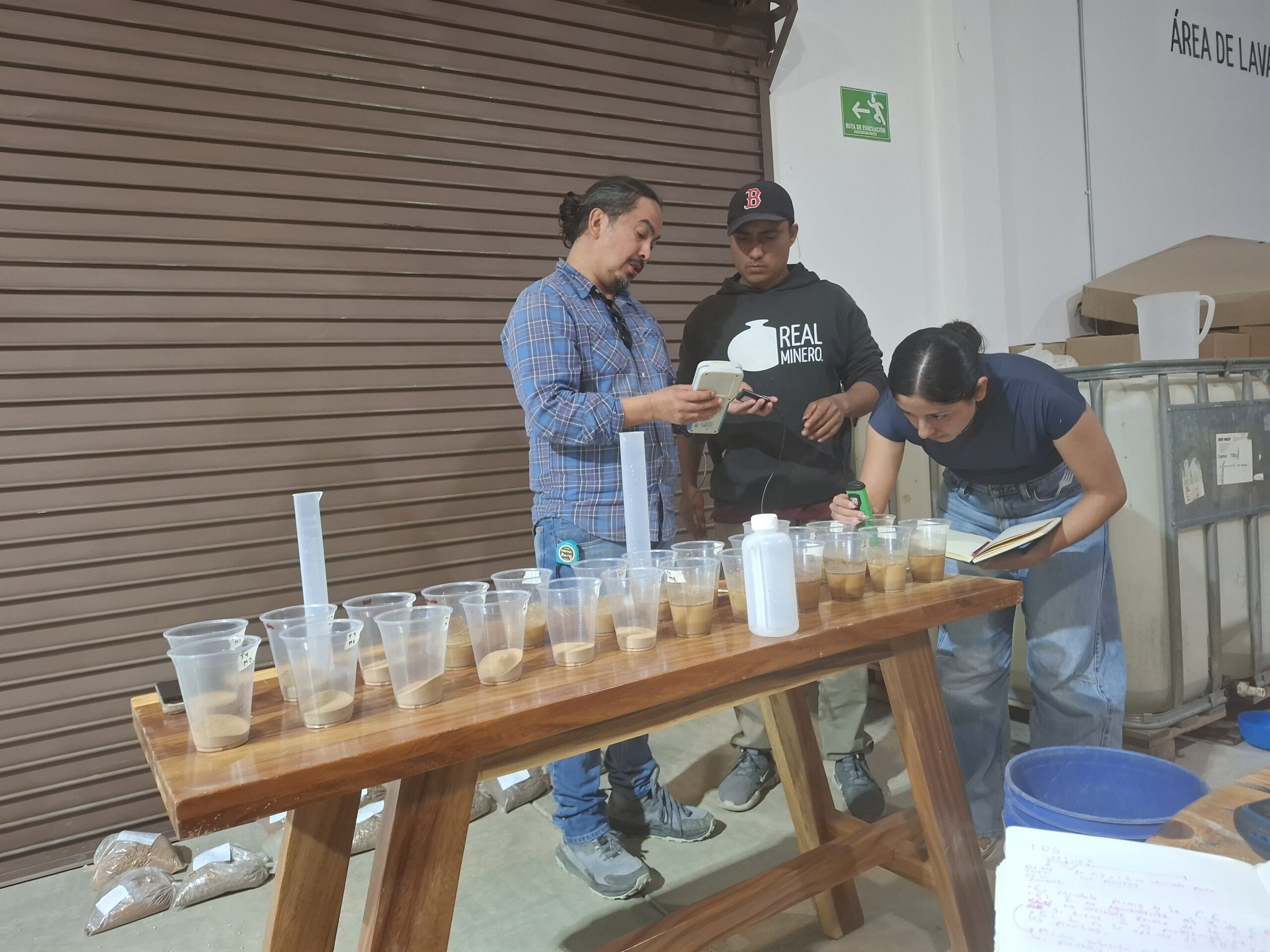
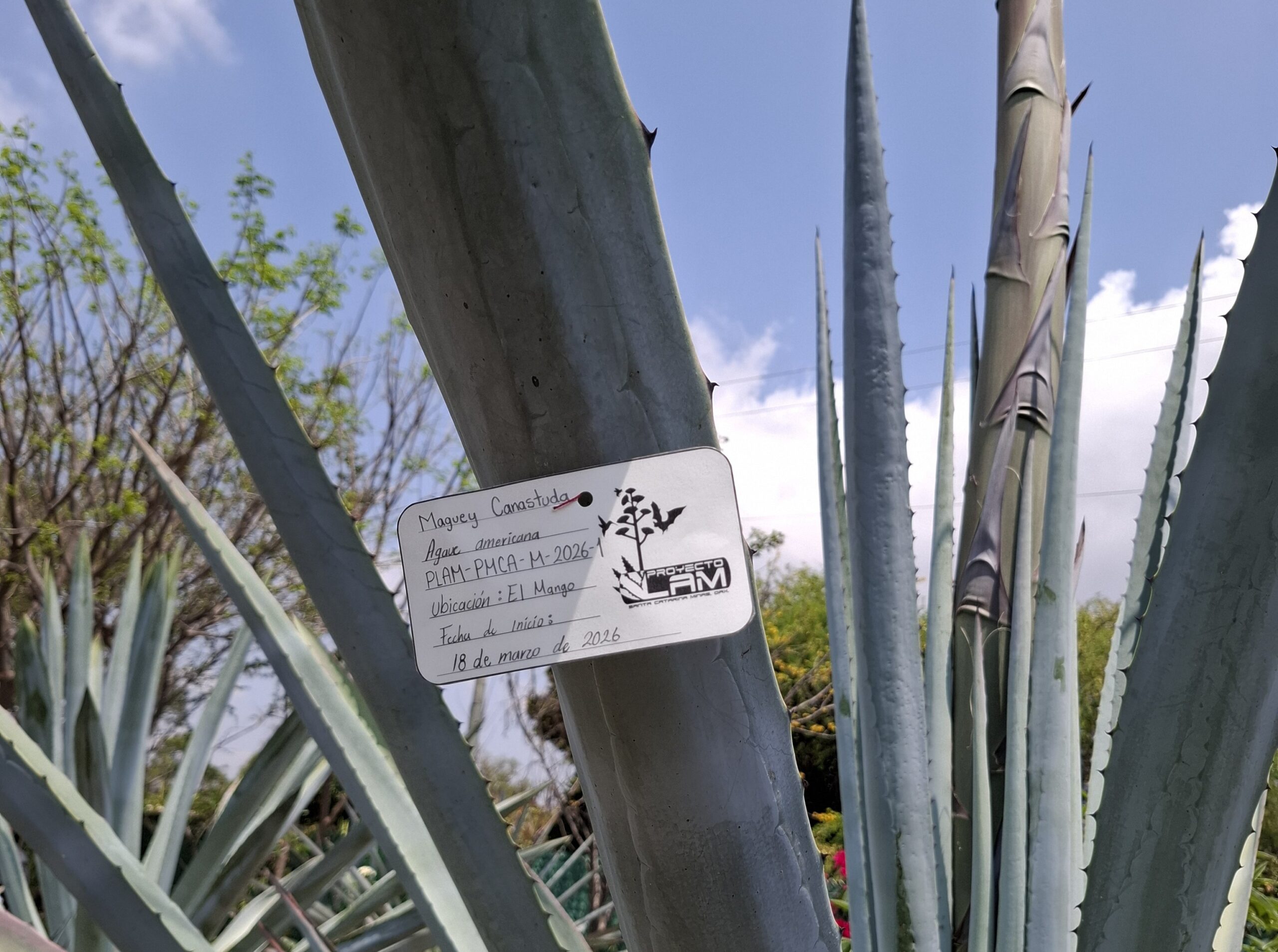
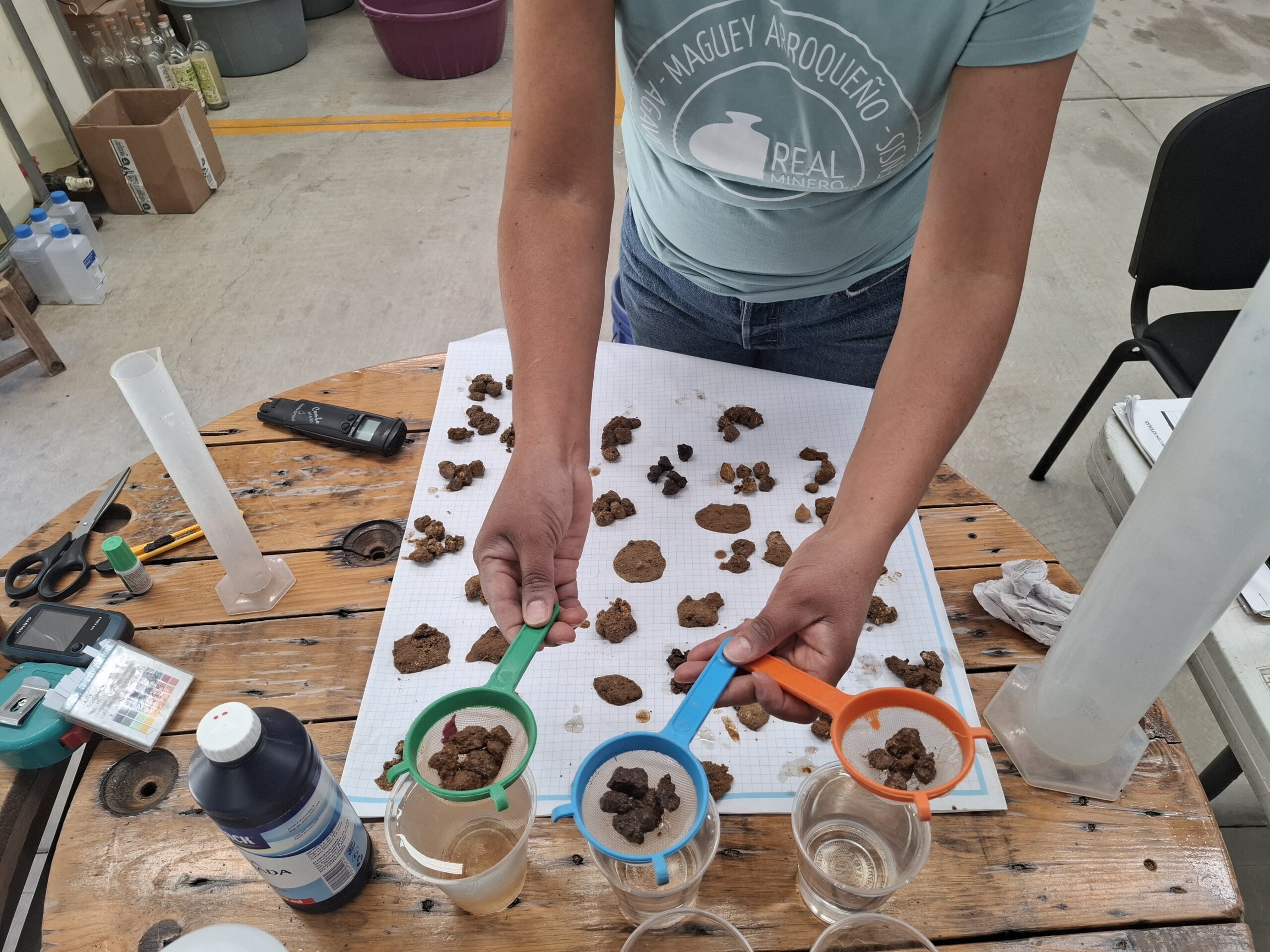
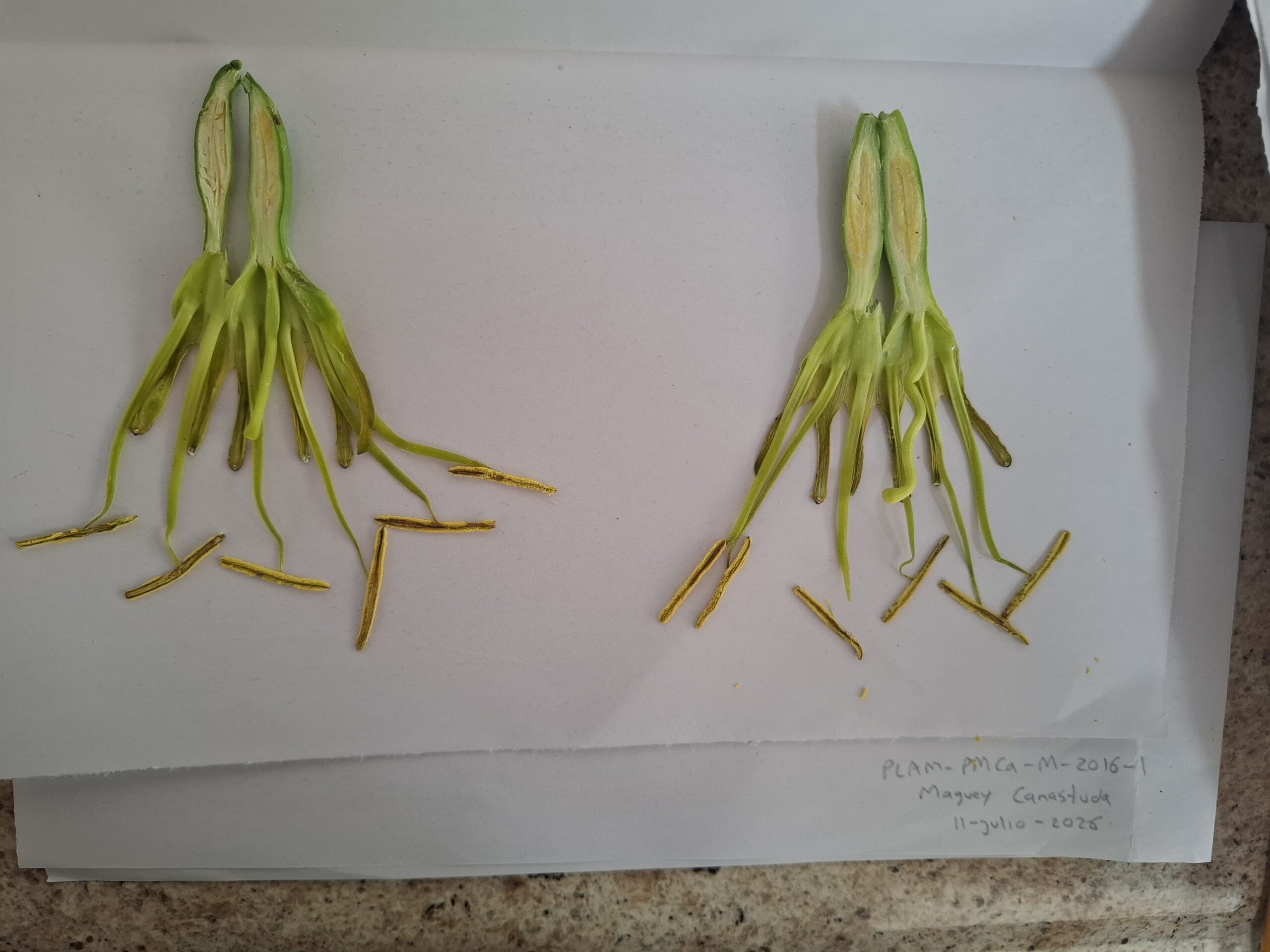
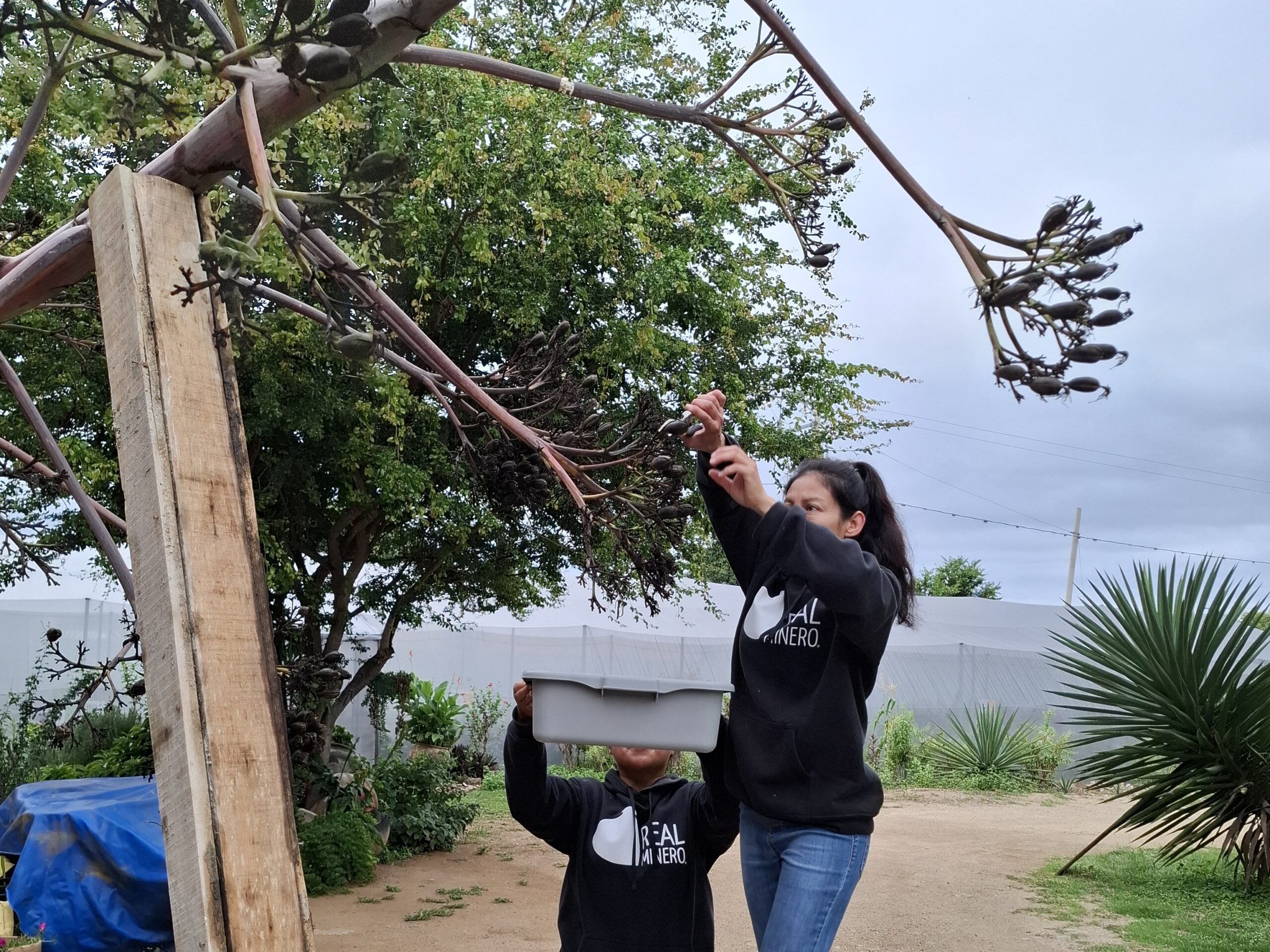
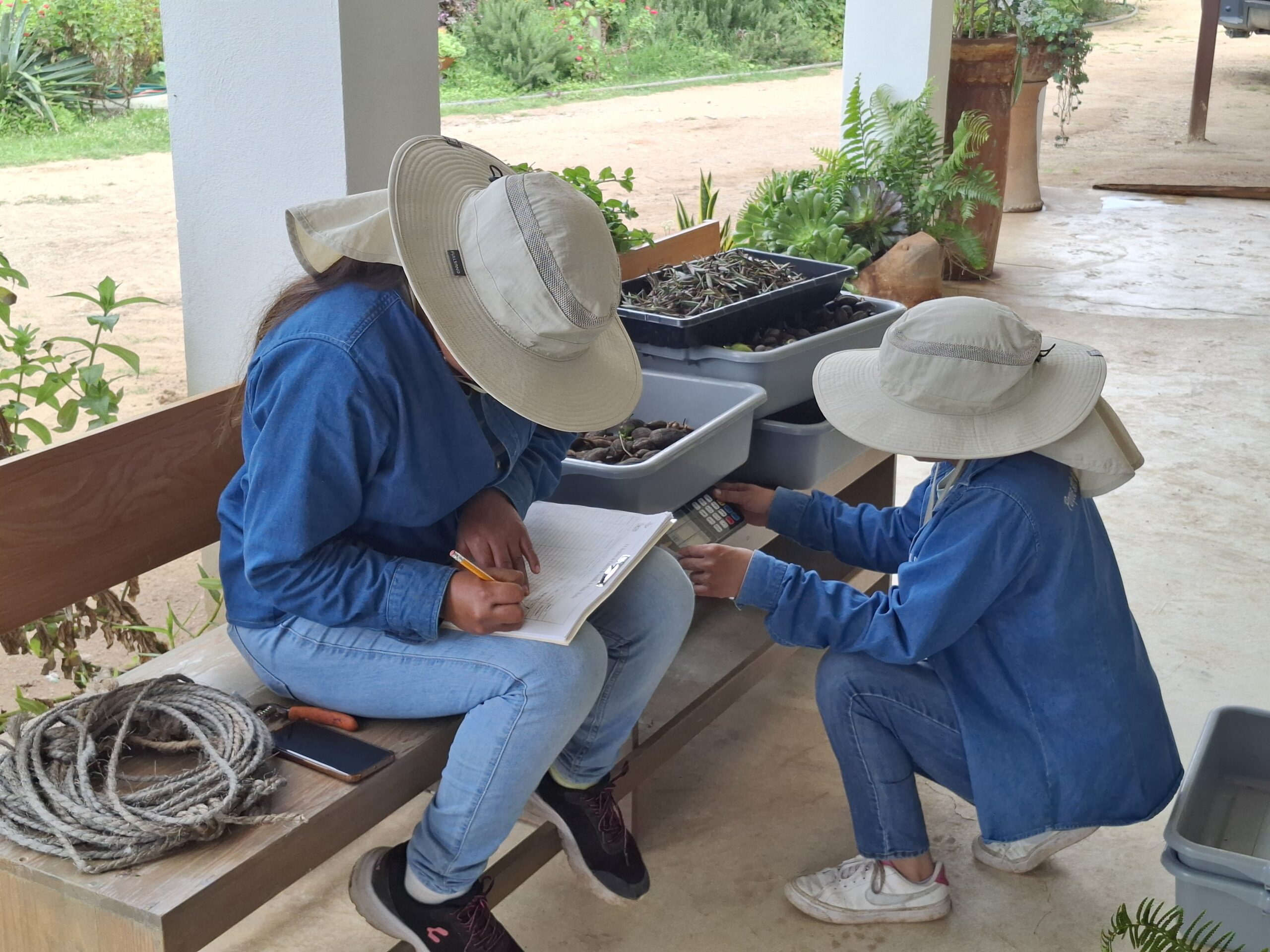
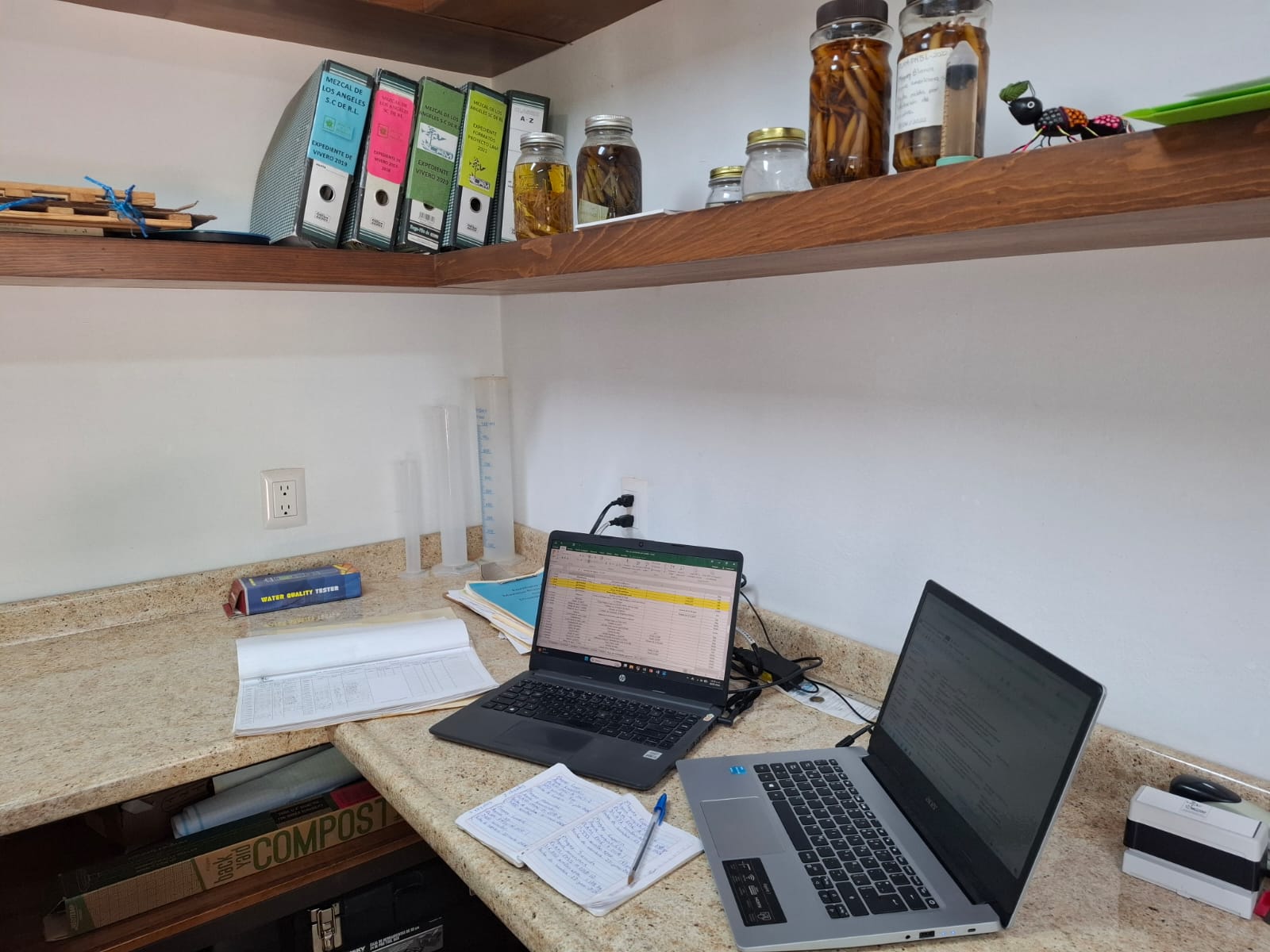
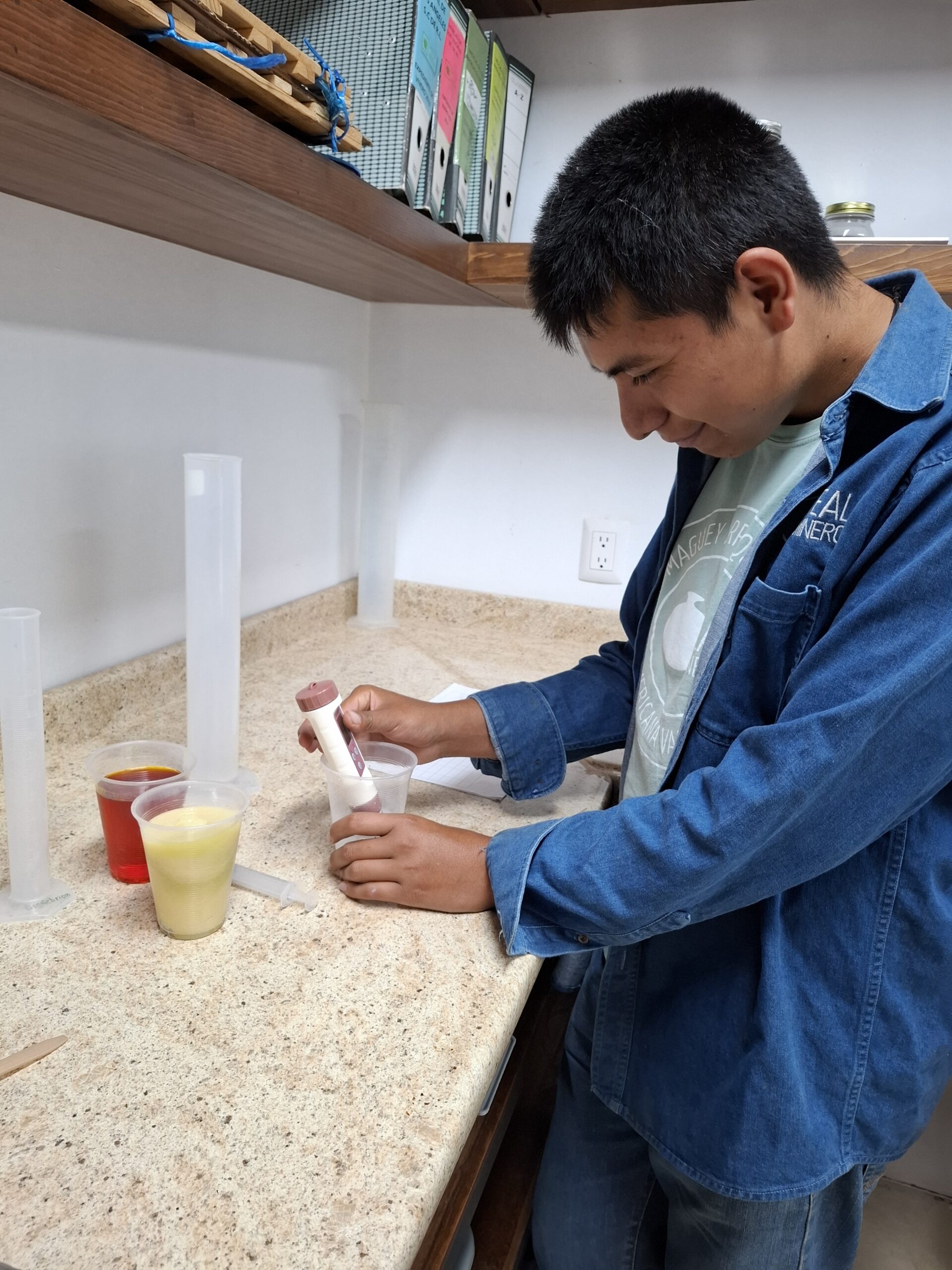
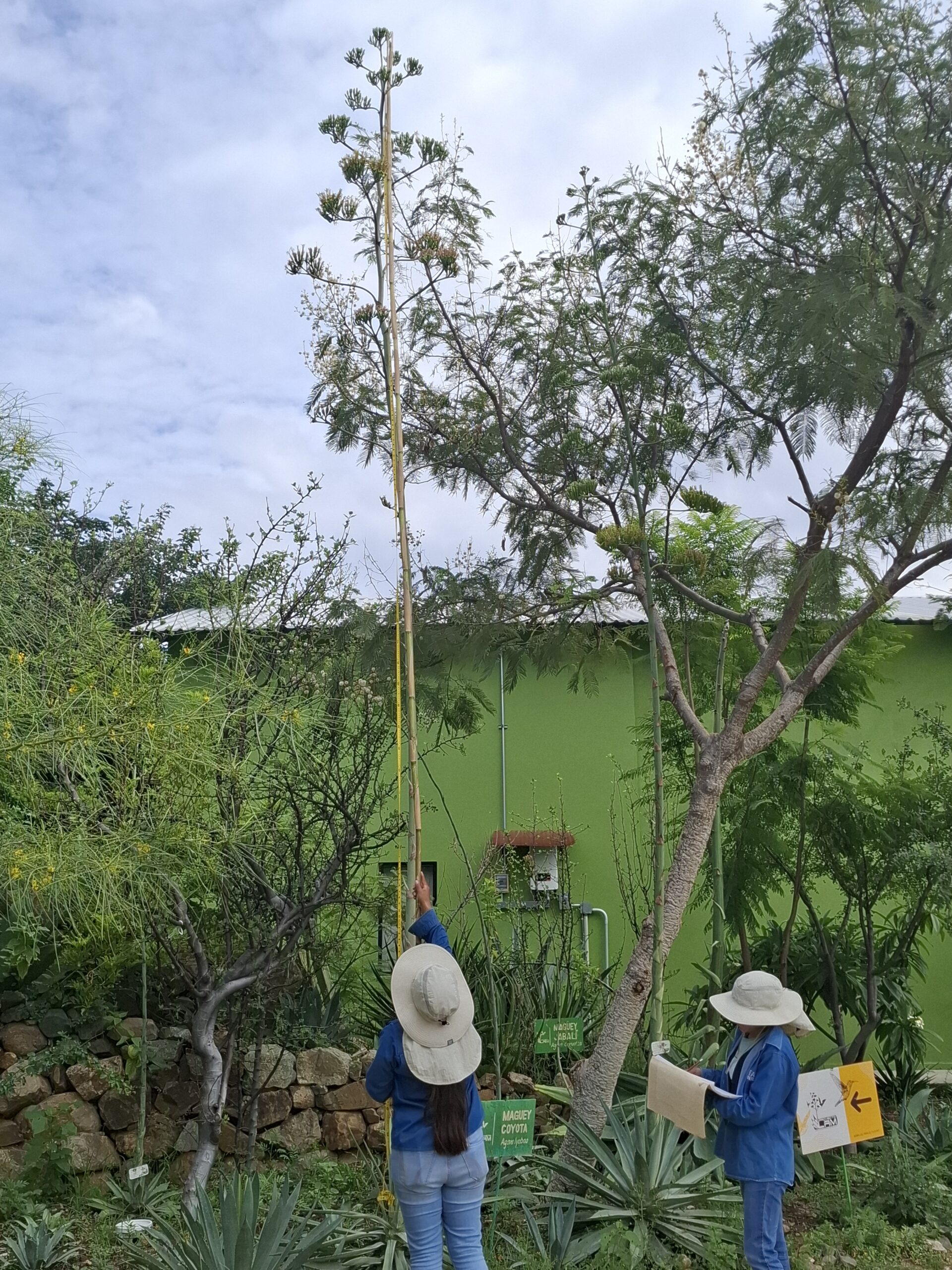
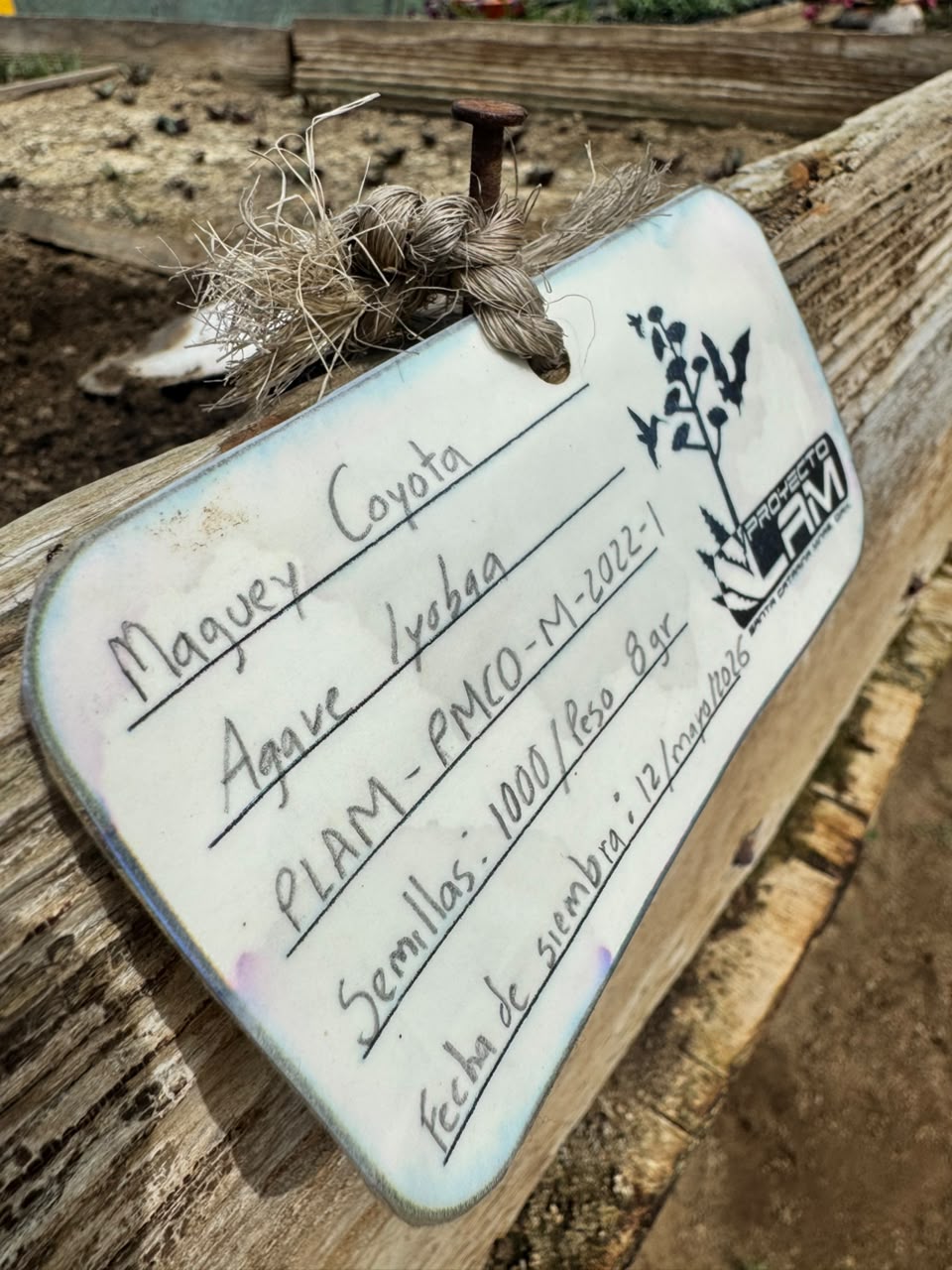
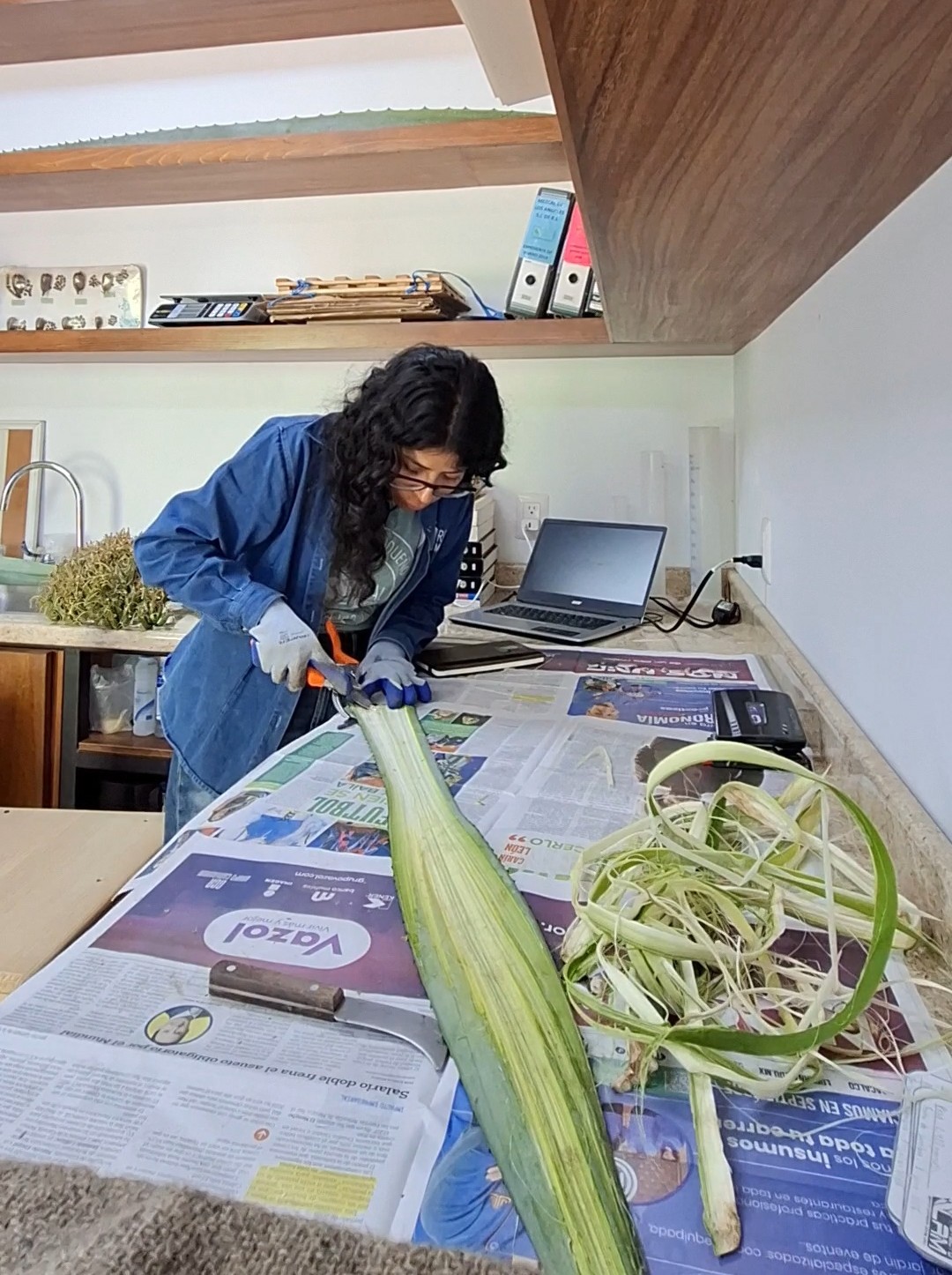
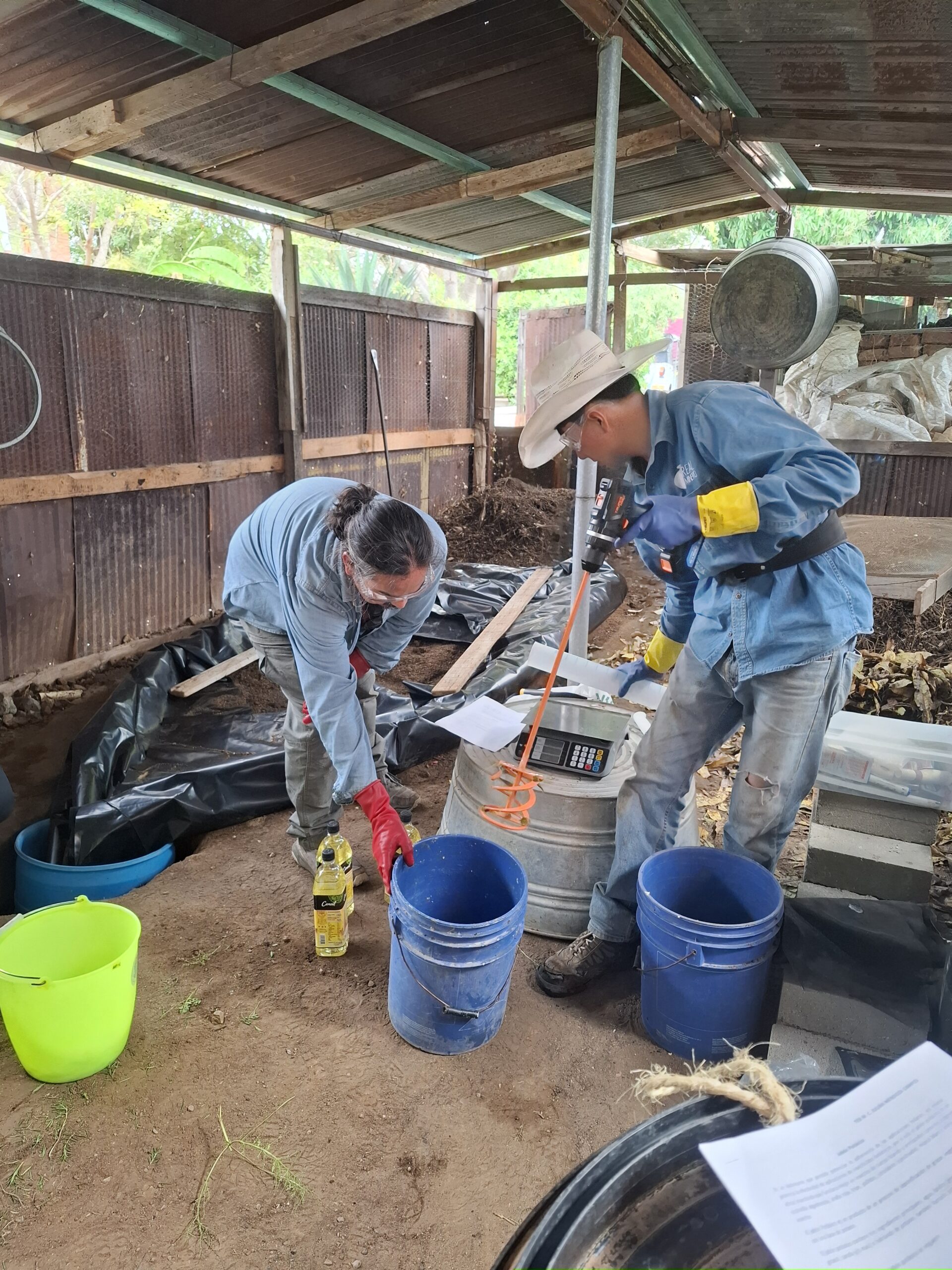
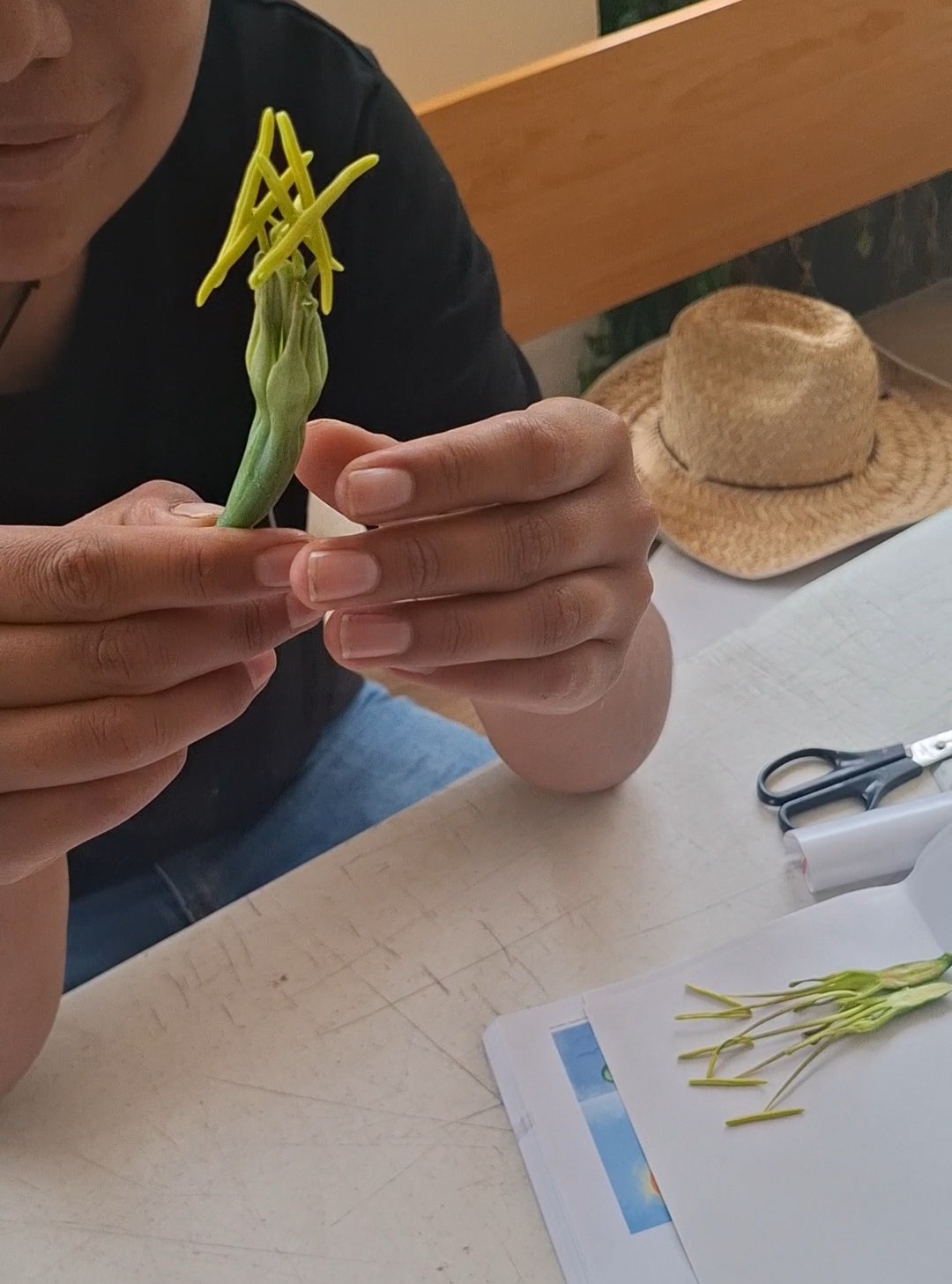
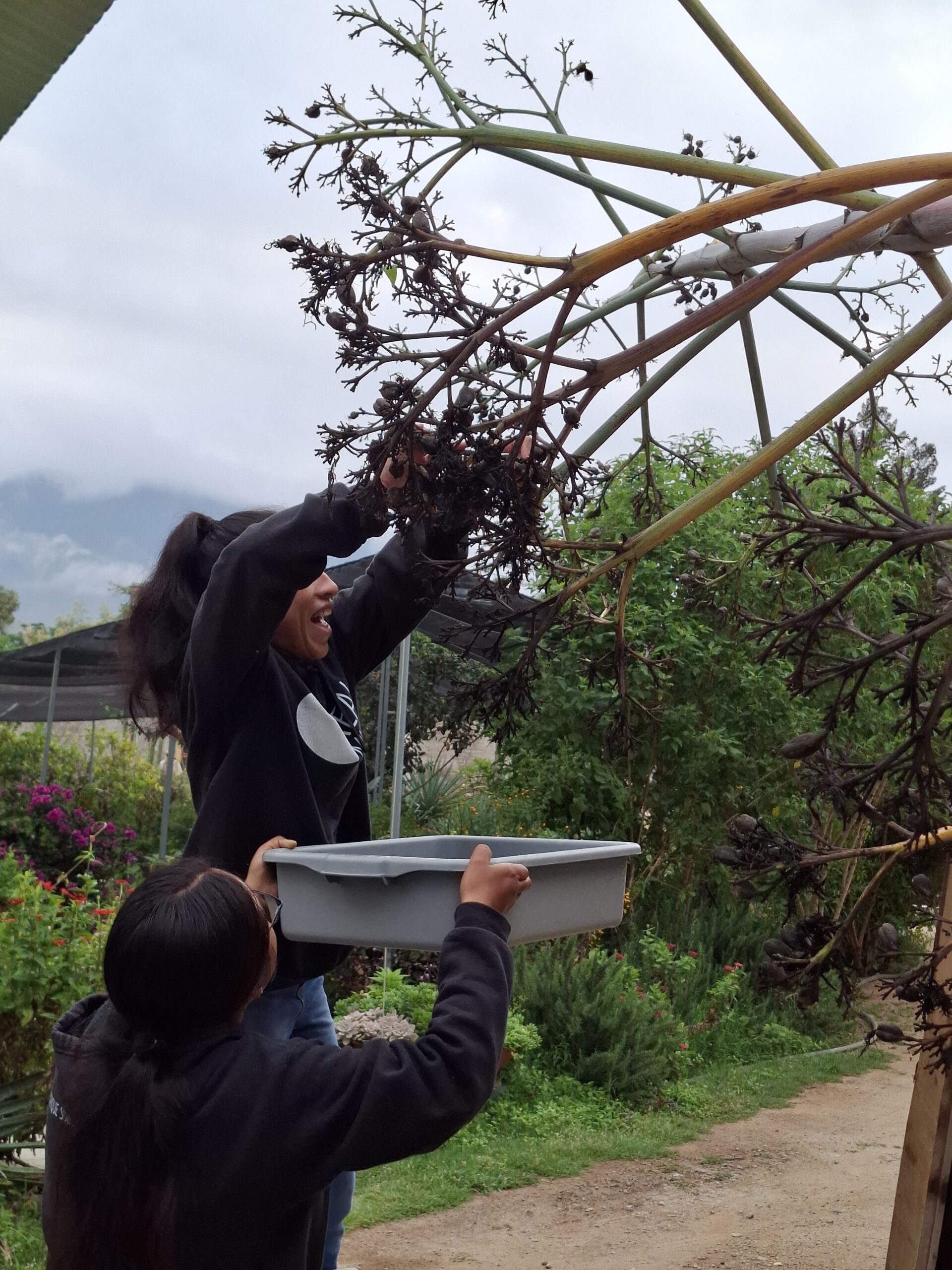
In our daily work, we generate information through recordkeeping, monitoring, and experimentation. We track the flowering of mother plants, seed production and germination, plant development in nurseries and in the field, and pest and disease management. We also document our experiences producing and using biological inputs, as well as our efforts in ecological restoration and soil and water conservation.
These processes help us evaluate our practices and make better management decisions.
Photograph by Graciela Angeles
Photograph by Magdalena Padilla
Photograph by Magdalena Padilla
Photograph by Graciela Angeles
Photograph by Magdalena Padilla
Photograph by Magdalena Padilla
Photograph by Magdalena Padilla
Photograph by Magdalena Padilla
We learn and share knowledge.
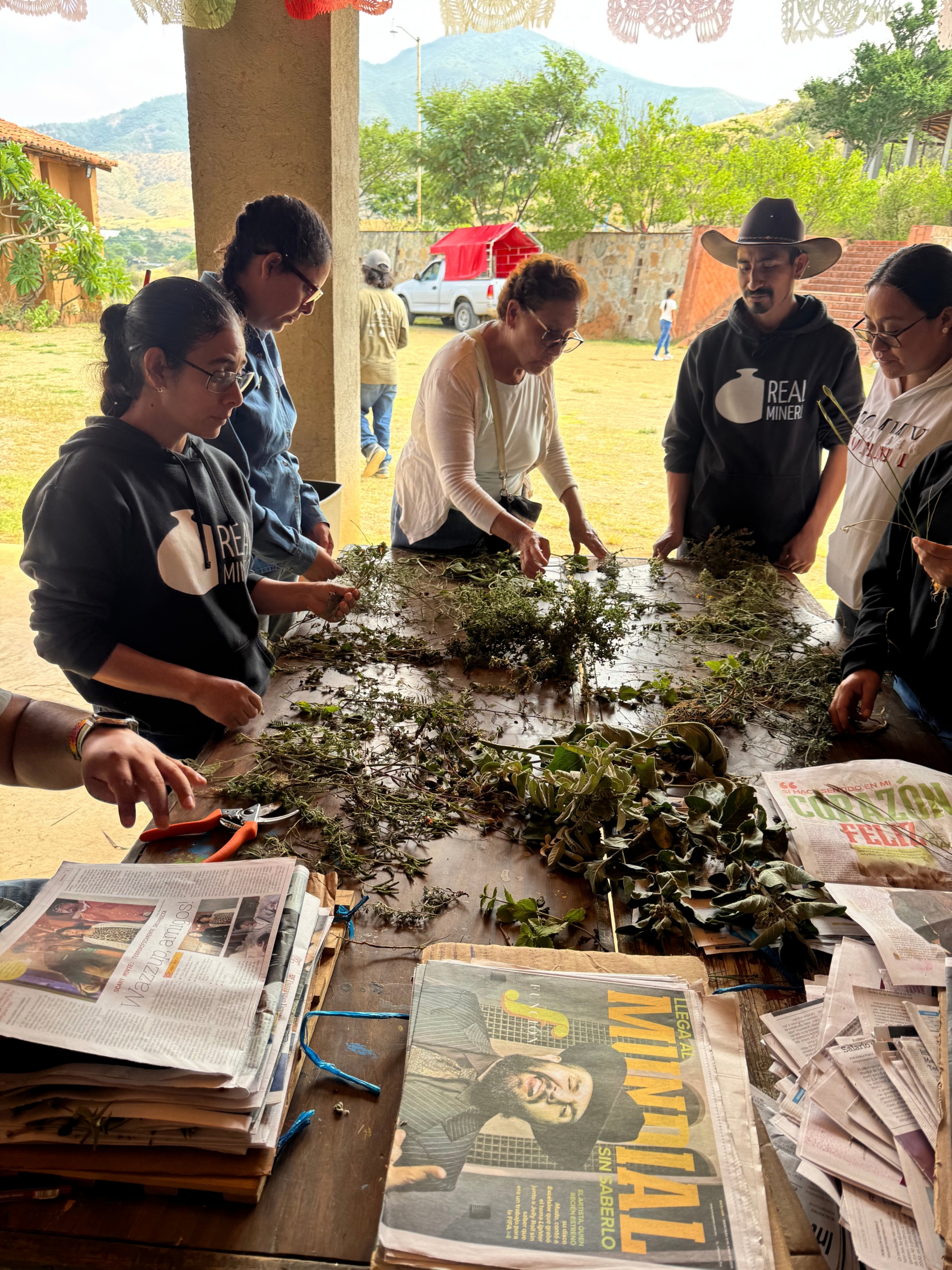
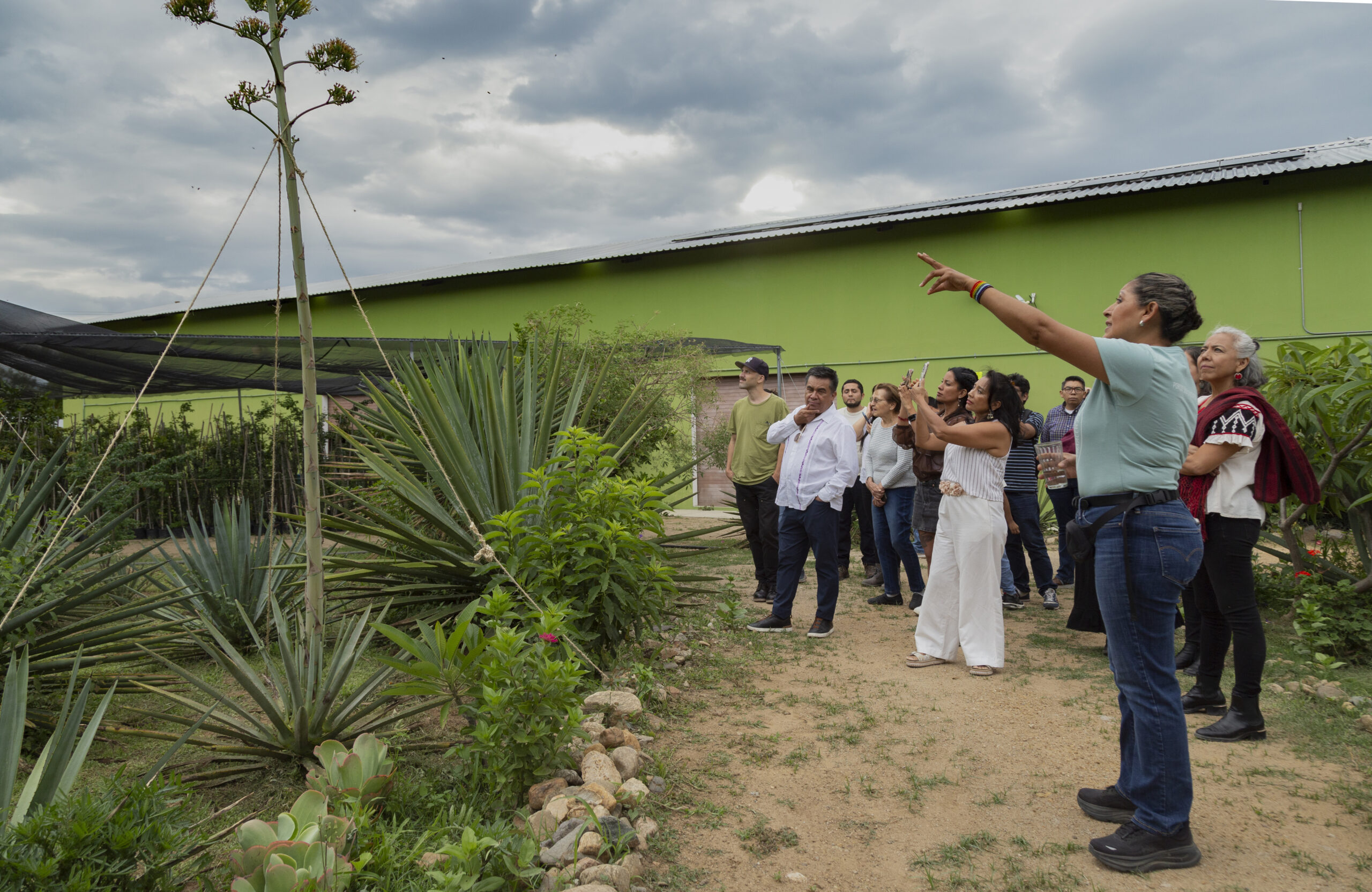
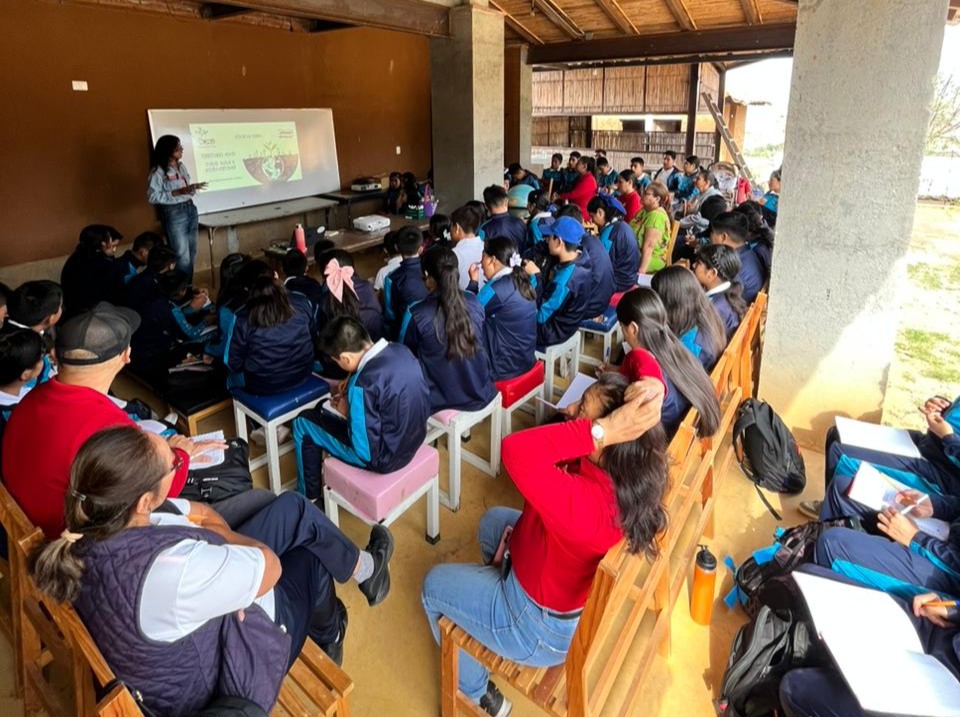
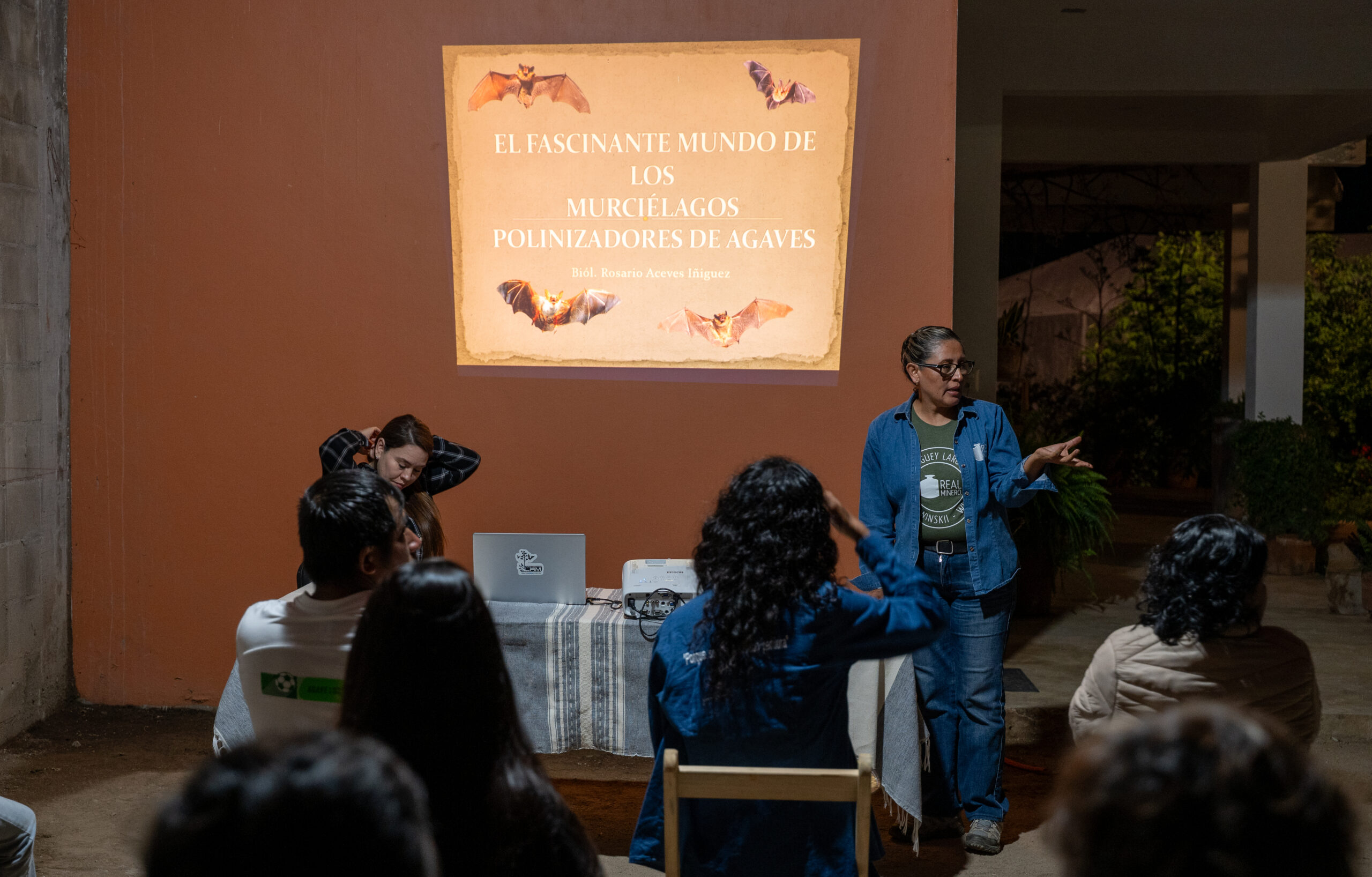
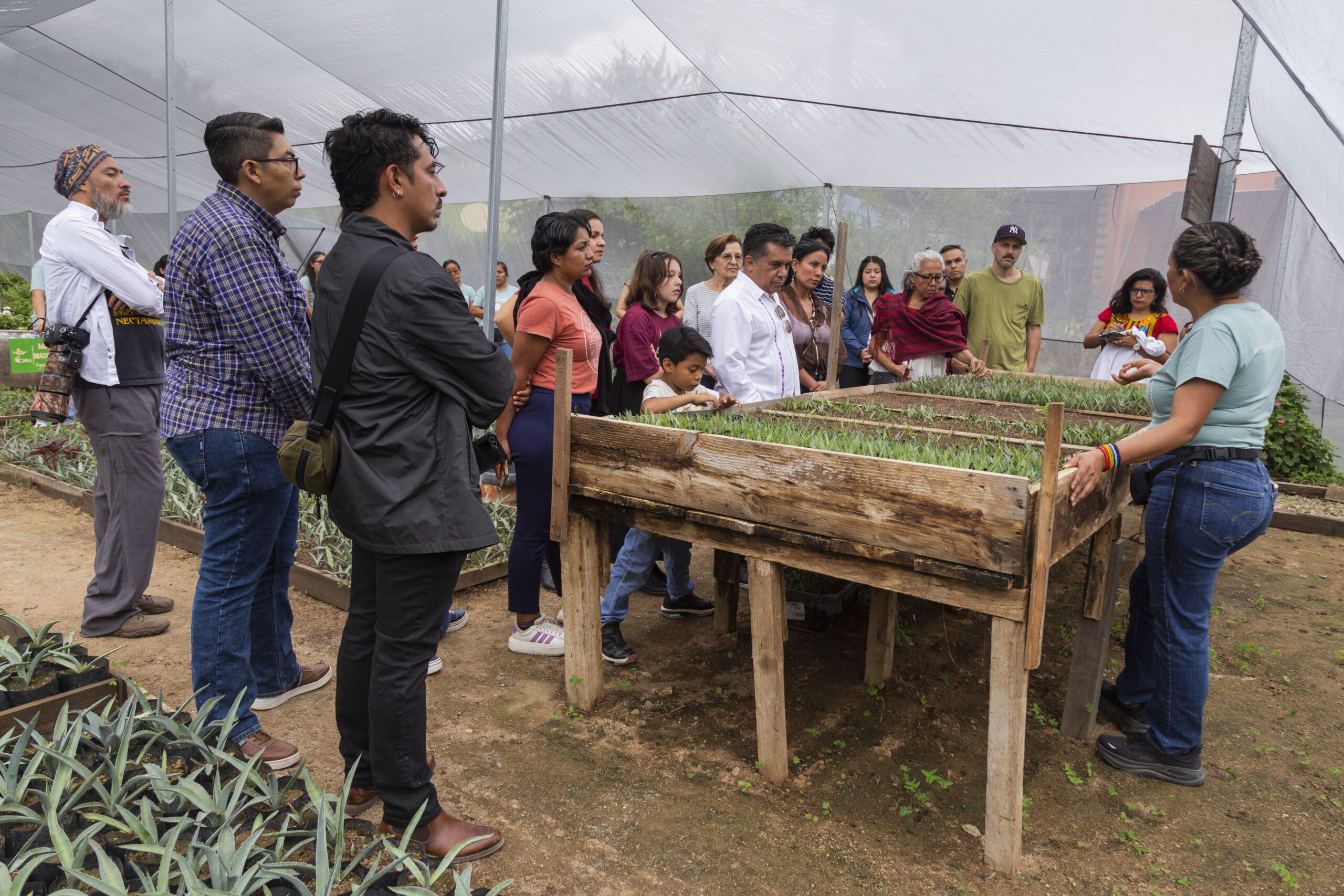
An important part of our work is creating spaces for learning and exchange. At the botanical garden, we offer guided tours that introduce students and other visitors to the diversity of mezcal-producing agaves, their ecological relationships, the practices we develop to conserve them, and the biocultural heritage associated with these plants.
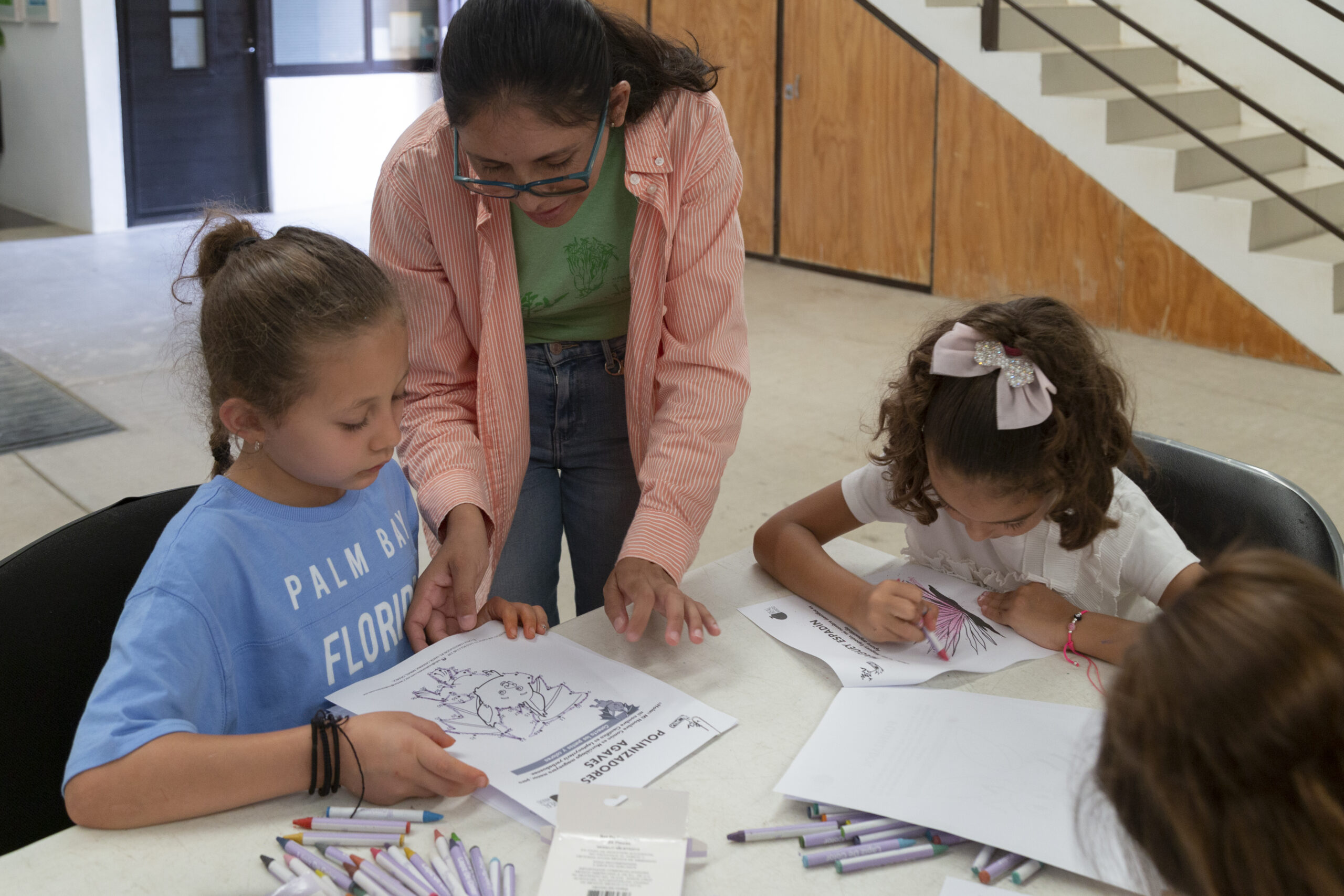
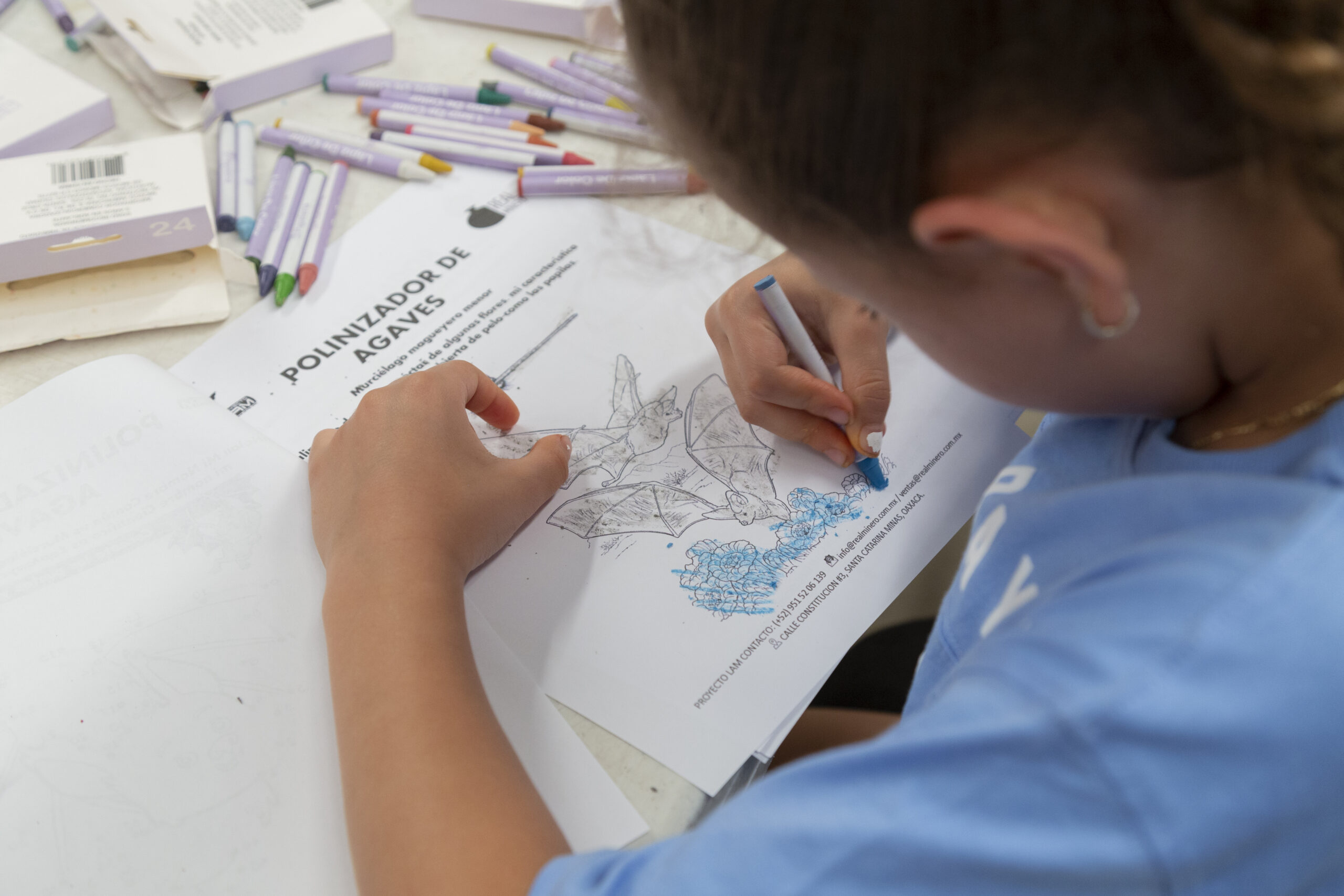
We also organize workshops and environmental education activities with local schools to introduce children and young people to the biodiversity of their region.
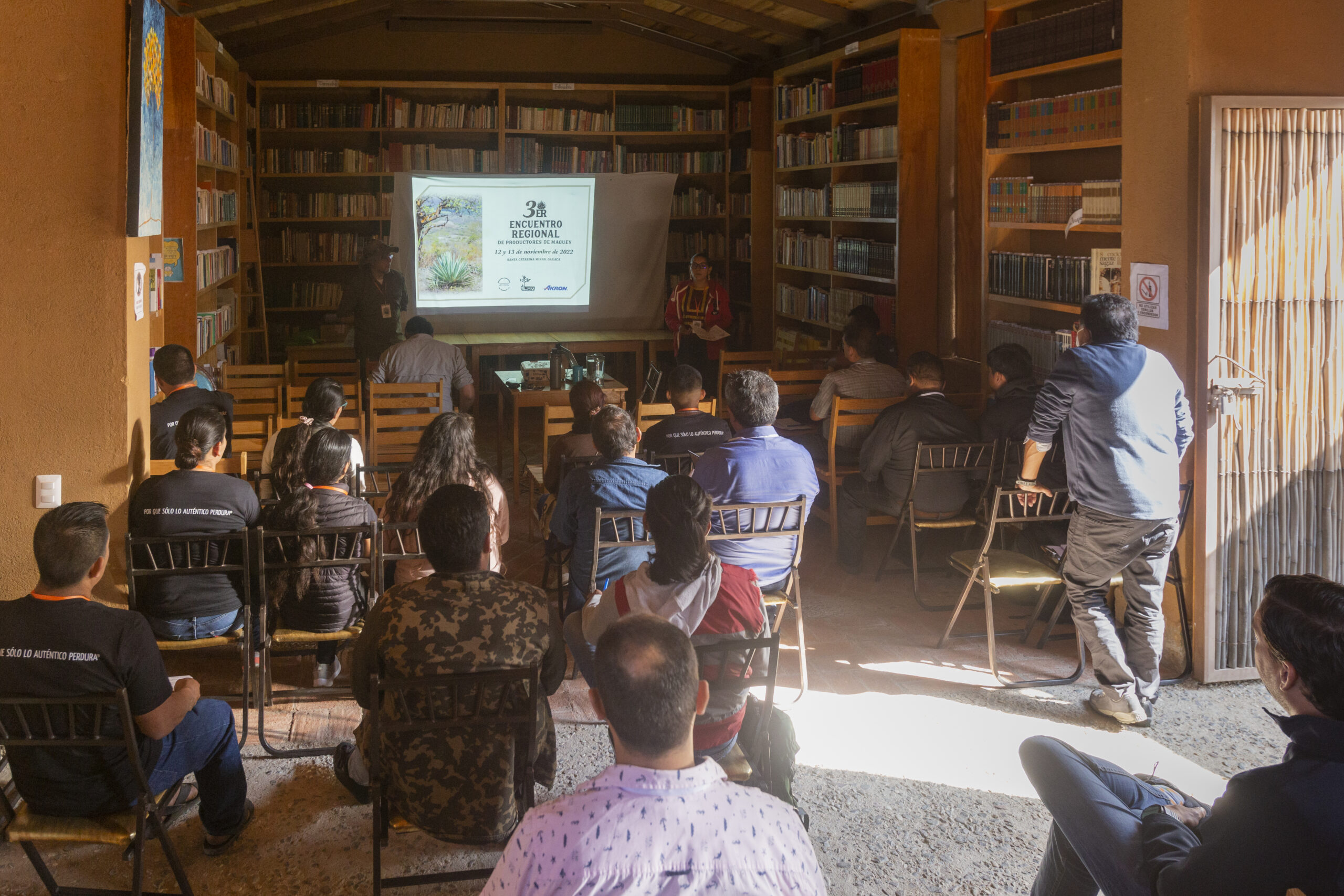
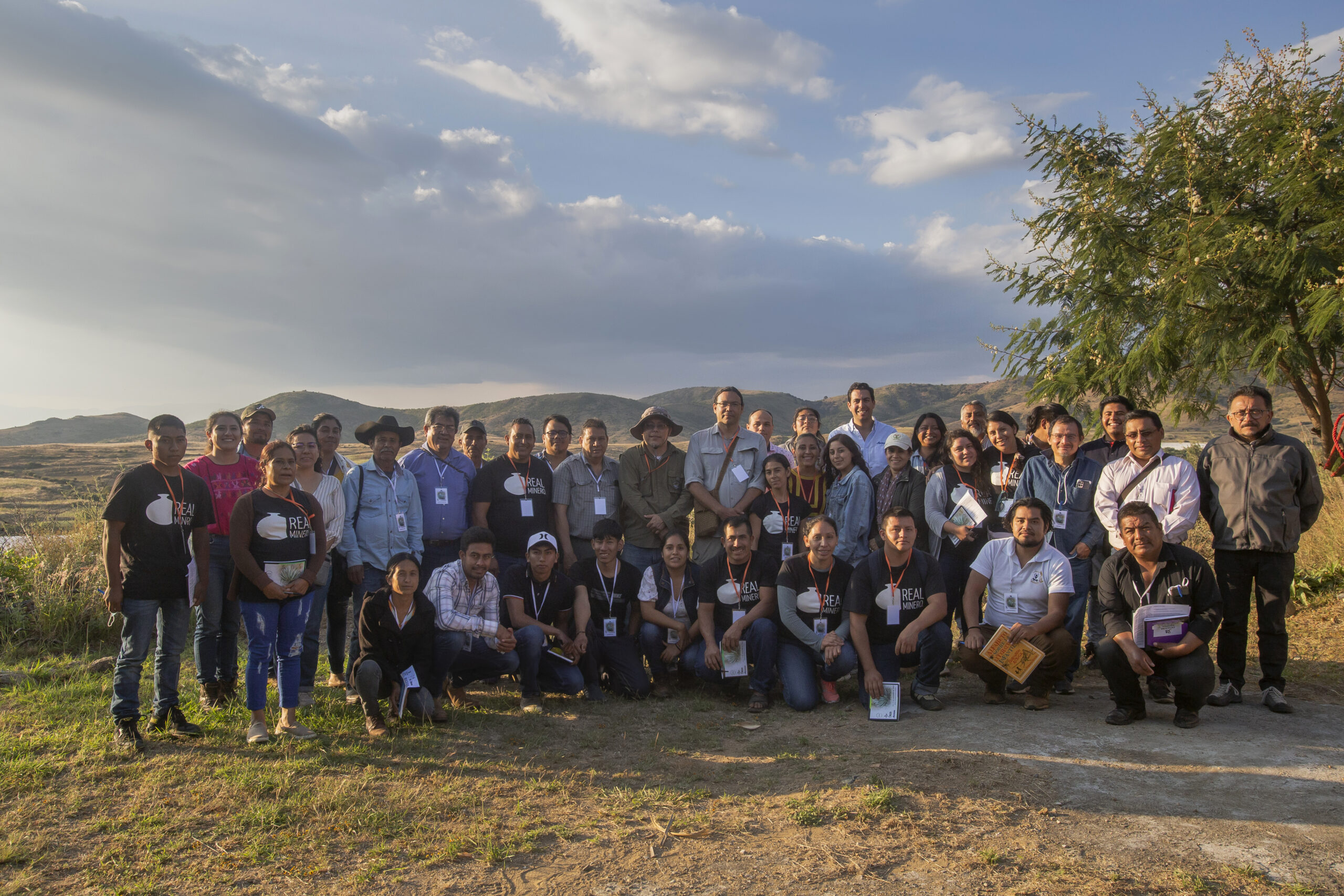
Through gatherings and knowledge exchanges with producers, agave managers, specialists, and researchers, we share experiences and learn from different ways of understanding and managing the land. We also seek out learning and training opportunities to strengthen our skills and improve our practices.
Photograph by Manuel Jiménez
Photograph by Manuel Jiménez
Photograph by Manuel Jiménez
Photograph by Daniela Amador
Photograph by Manuel Jiménez
Photograph by Anna Bruce
7
Photograph by Manuel Jiménez
Photograph by Manuel Jiménez
Photograph by Manuel Jiménez
A space for research and collaboration
We seek to strengthen Proyecto LAM as a meeting place for scientific research, local knowledge, and agroecological practice.
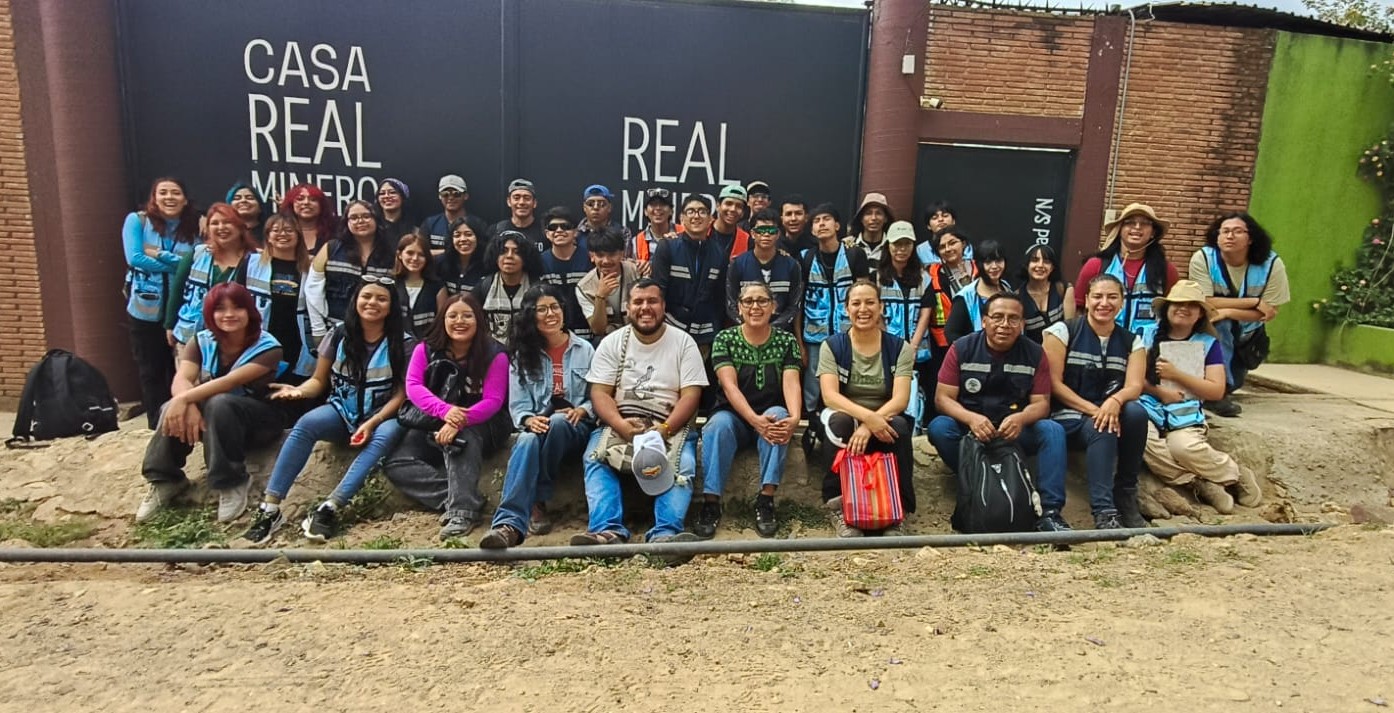
We foster collaboration with universities, researchers, specialists, and students through research projects, professional internships, and community service programs focused on agaves, biodiversity, and ecological restoration.
We aim for these collaborations to address local questions and needs, and for their findings to be shared and contribute to the conservation and sustainable management of the land.
Interested in collaborating with us or visiting us?
If you would like to conduct research, develop an academic or community project, or visit our spaces with a group of students, contact us to explore opportunities for collaboration.
Further reading for continued learning and reflection
We invite you to explore a selection of articles, research, and other resources that examine agaves, their biocultural heritage, and the challenges of their sustainable use from different perspectives.