
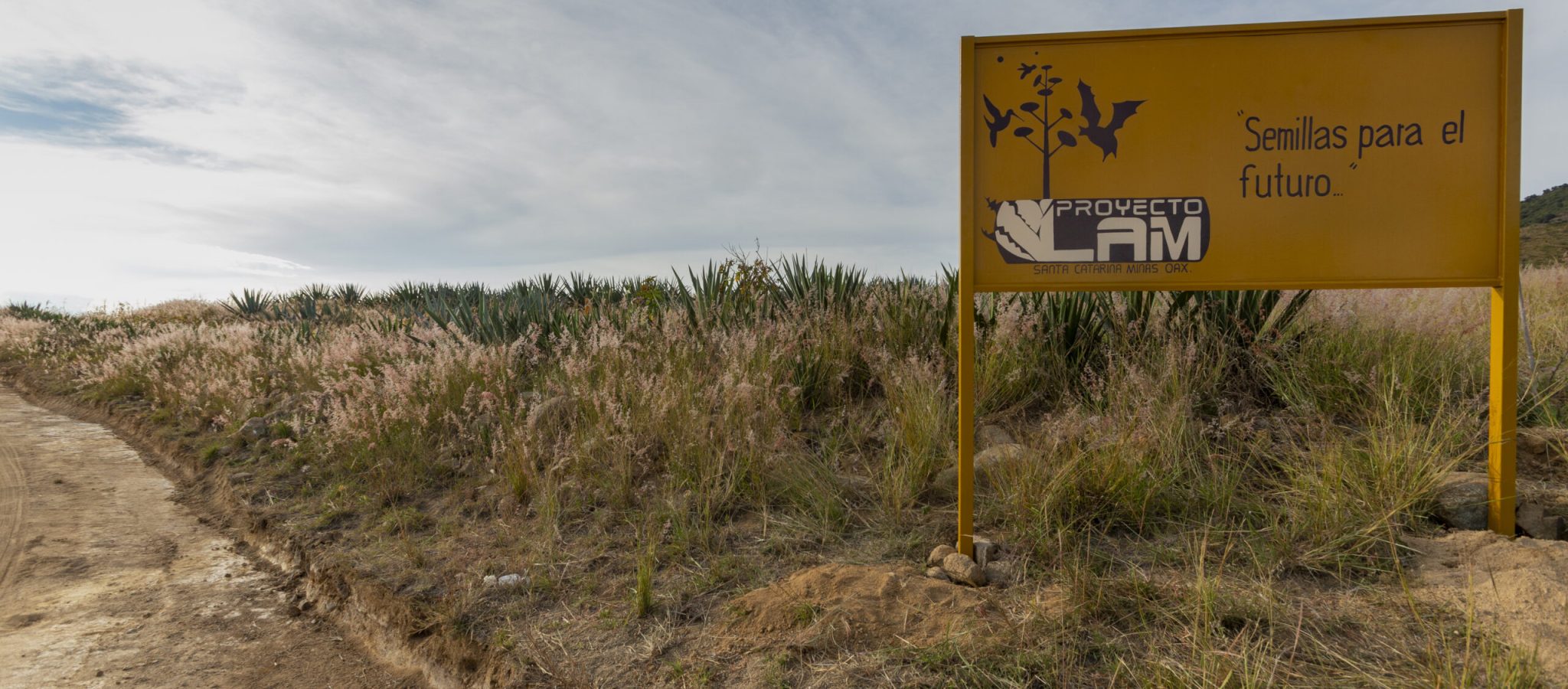
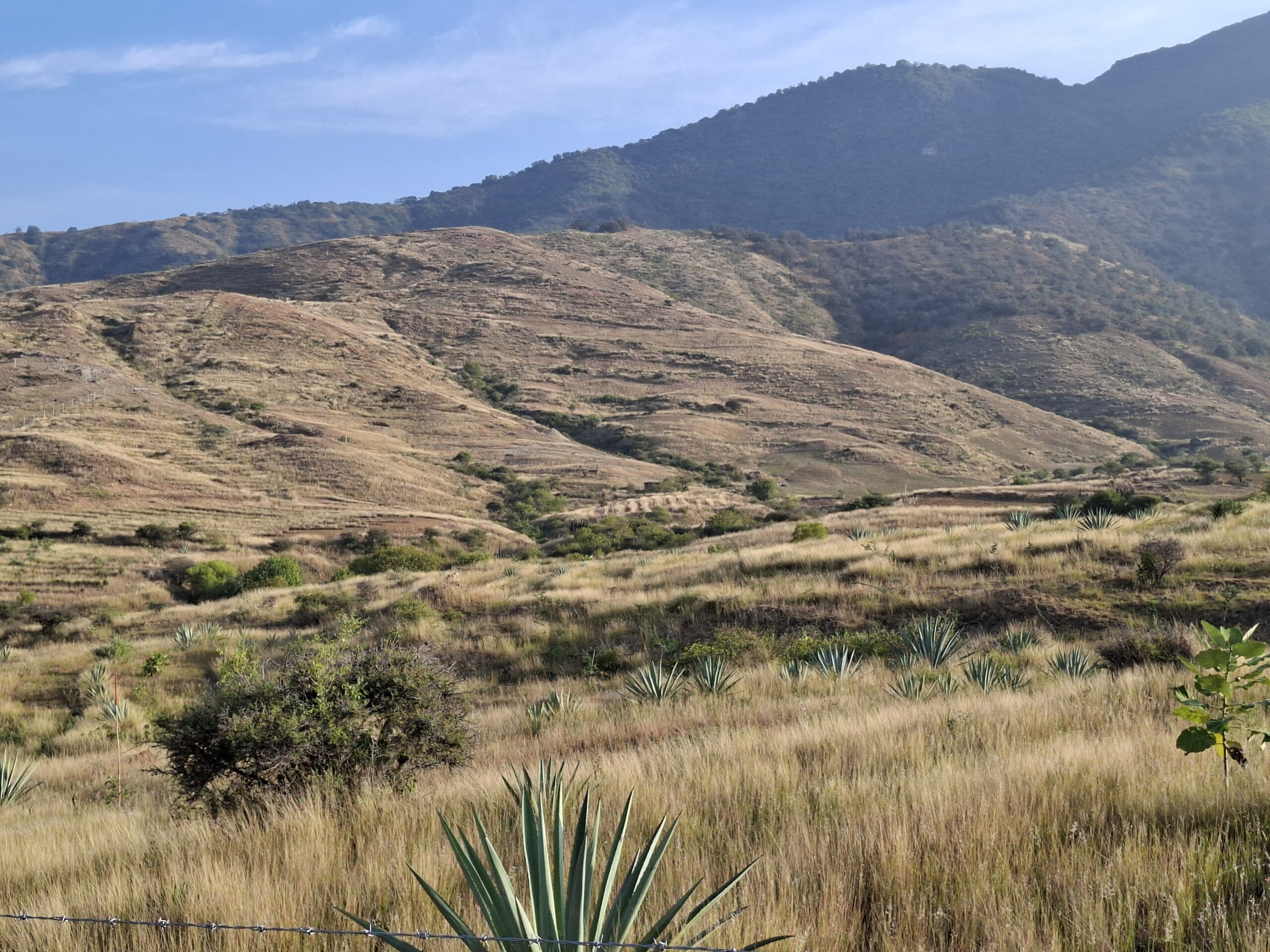
At Proyecto LAM, we work to conserve the diversity of mezcal agaves and protect the lands where they are grown. Our approach combines agave propagation by seed, agroecological management of our lands, and ecological restoration, with the goal of promoting biodiversity and local development.
For us, sustainability goes beyond mere rhetoric: we put it into practice. We build it through observation, experimentation, and constant learning, making decisions that take into account not only current needs but also biodiversity and the long-term health of people and the land.
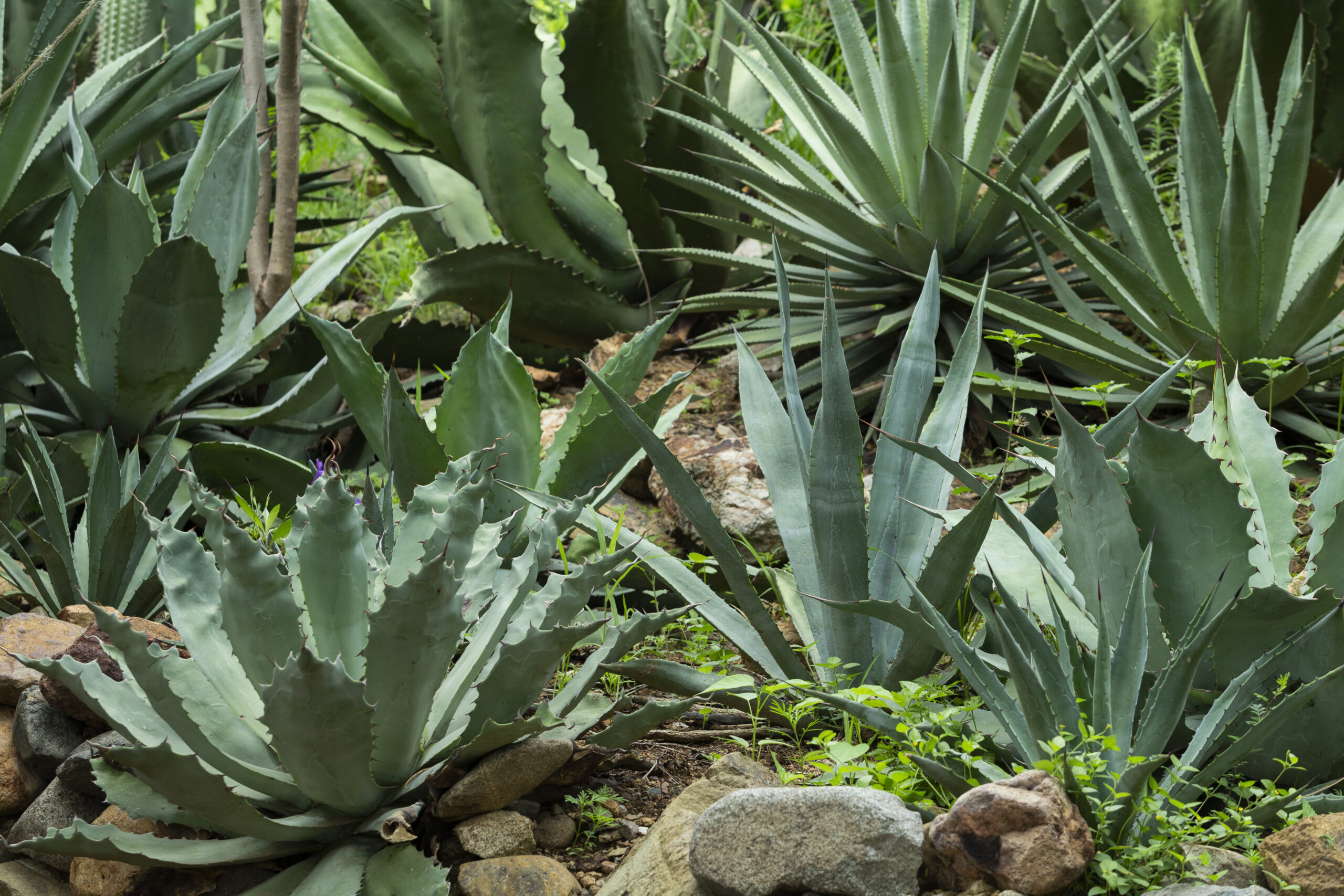
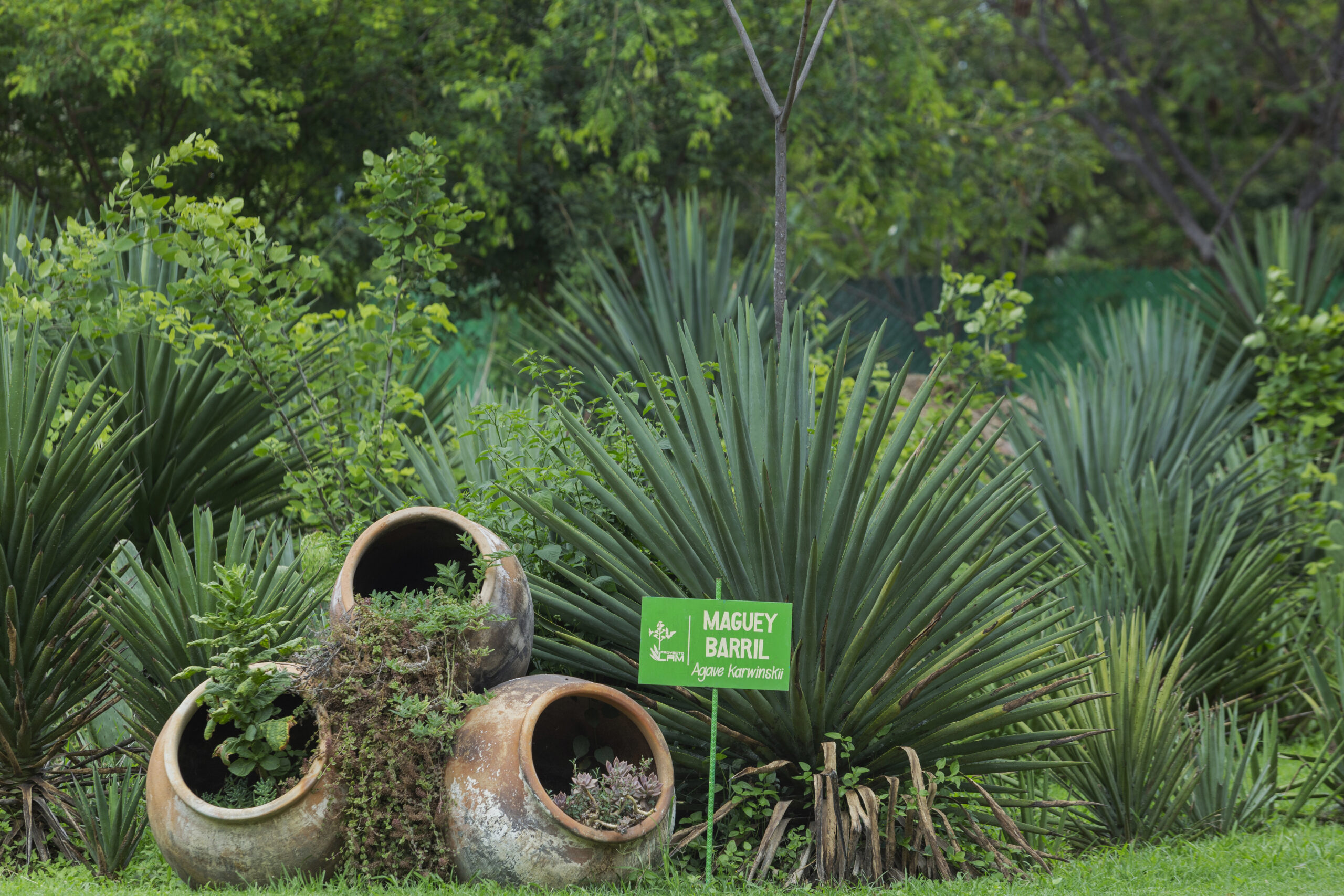
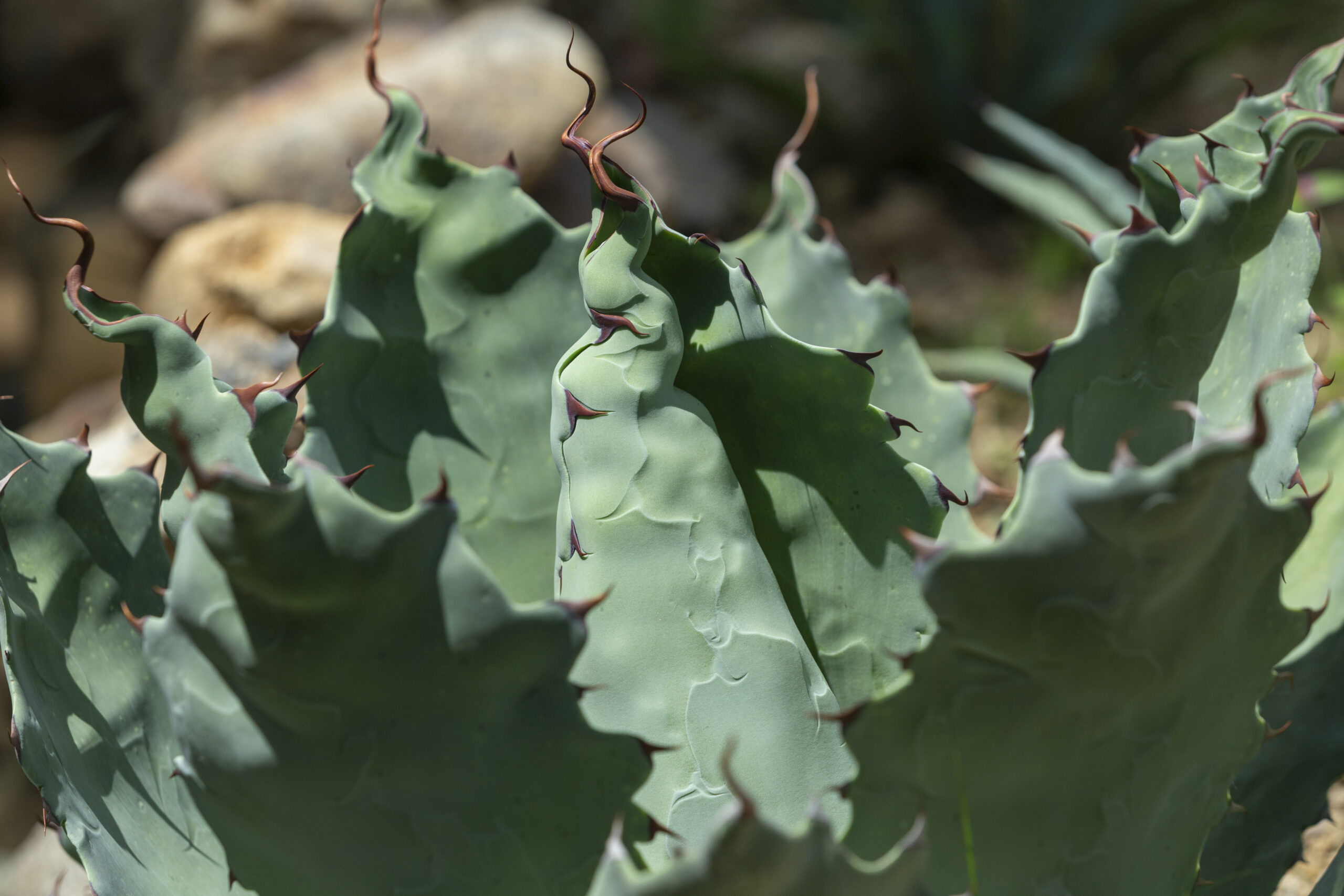
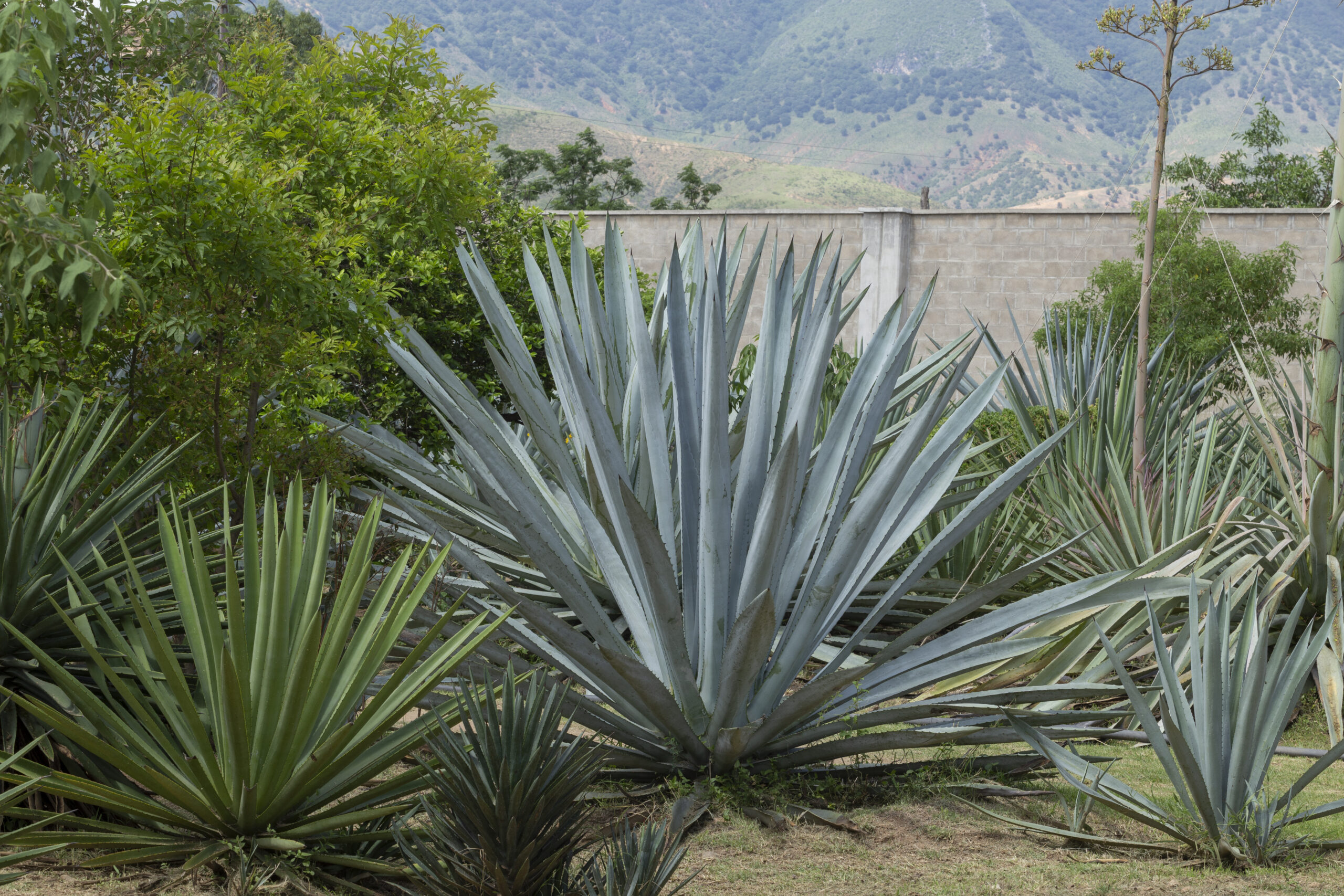
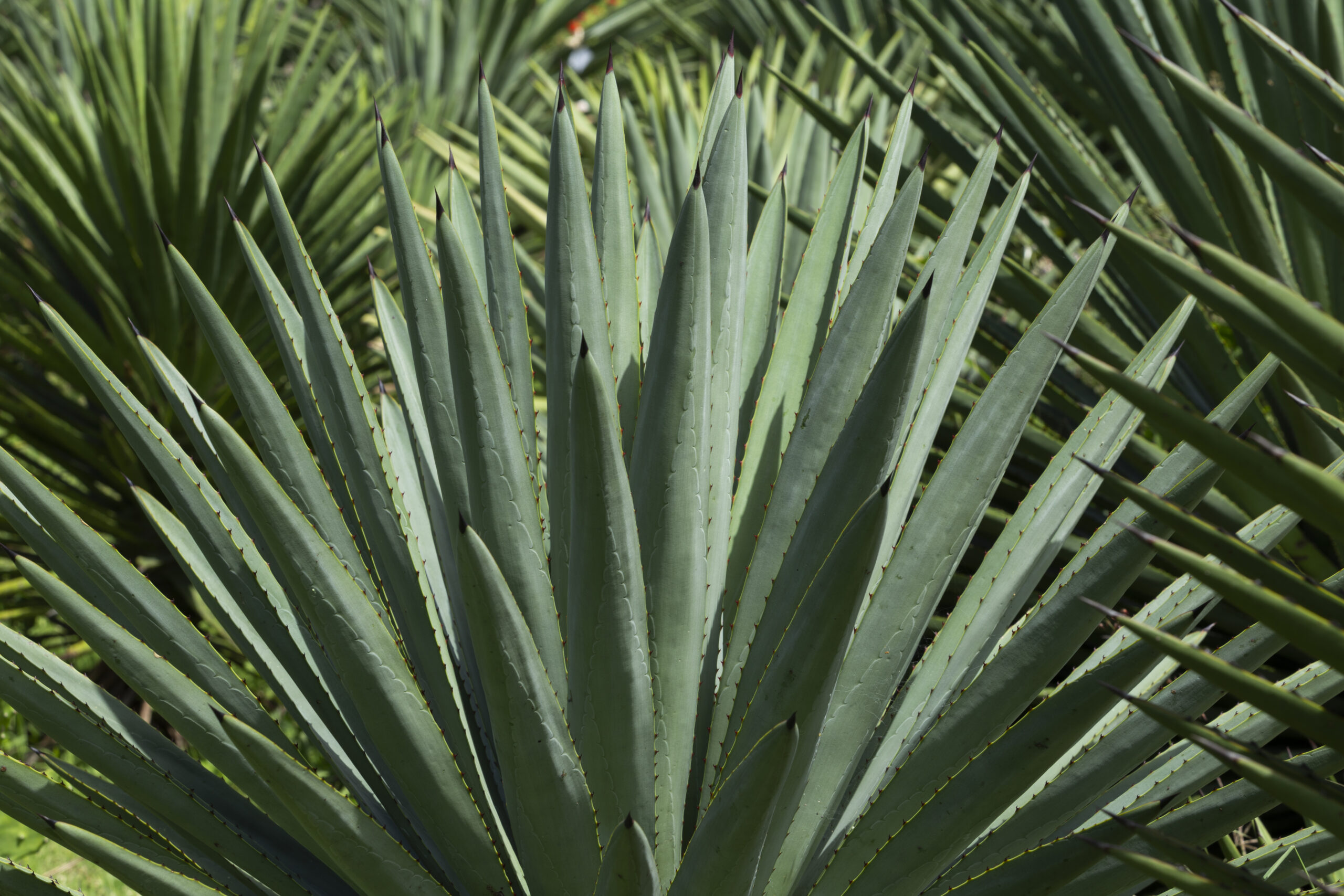
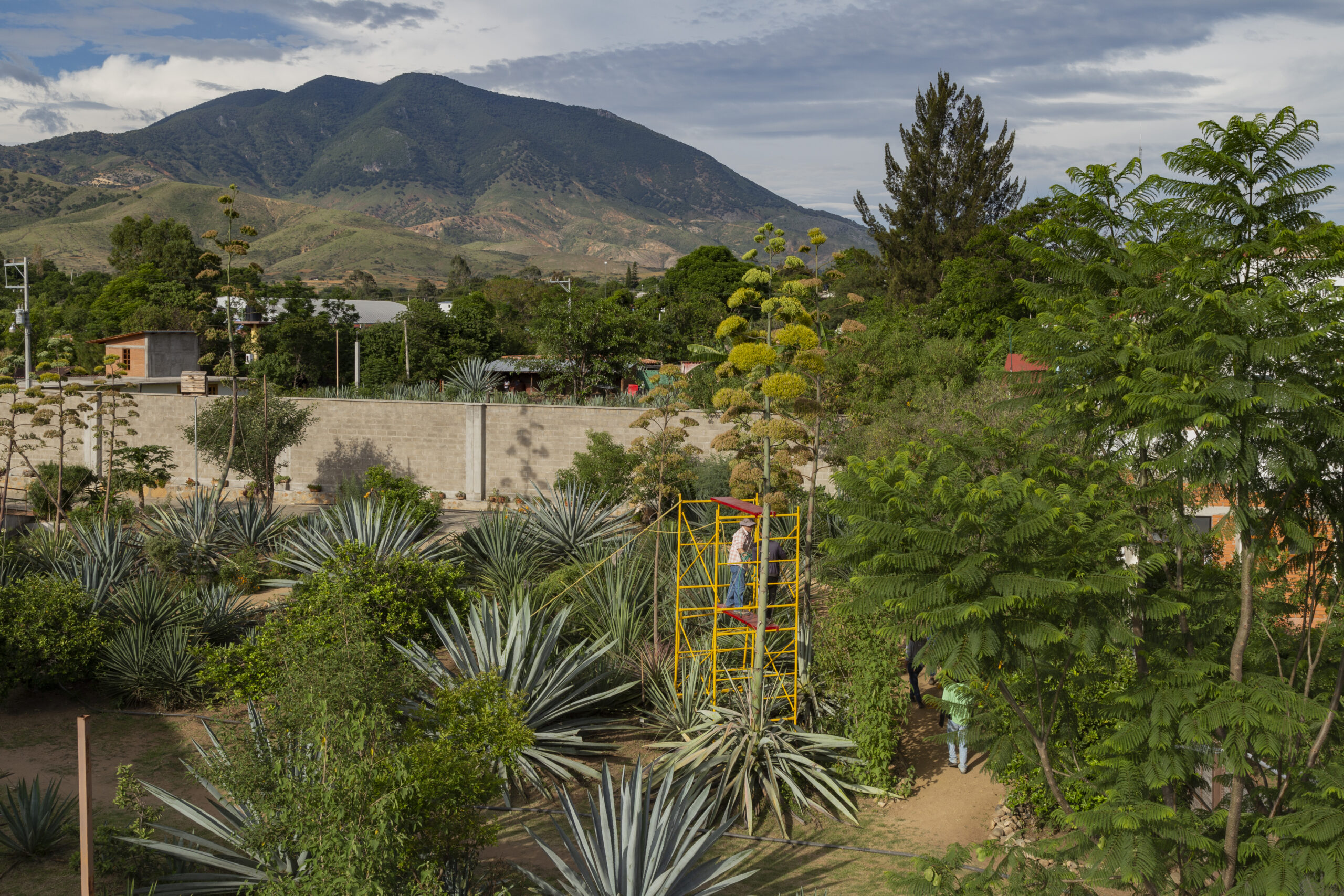
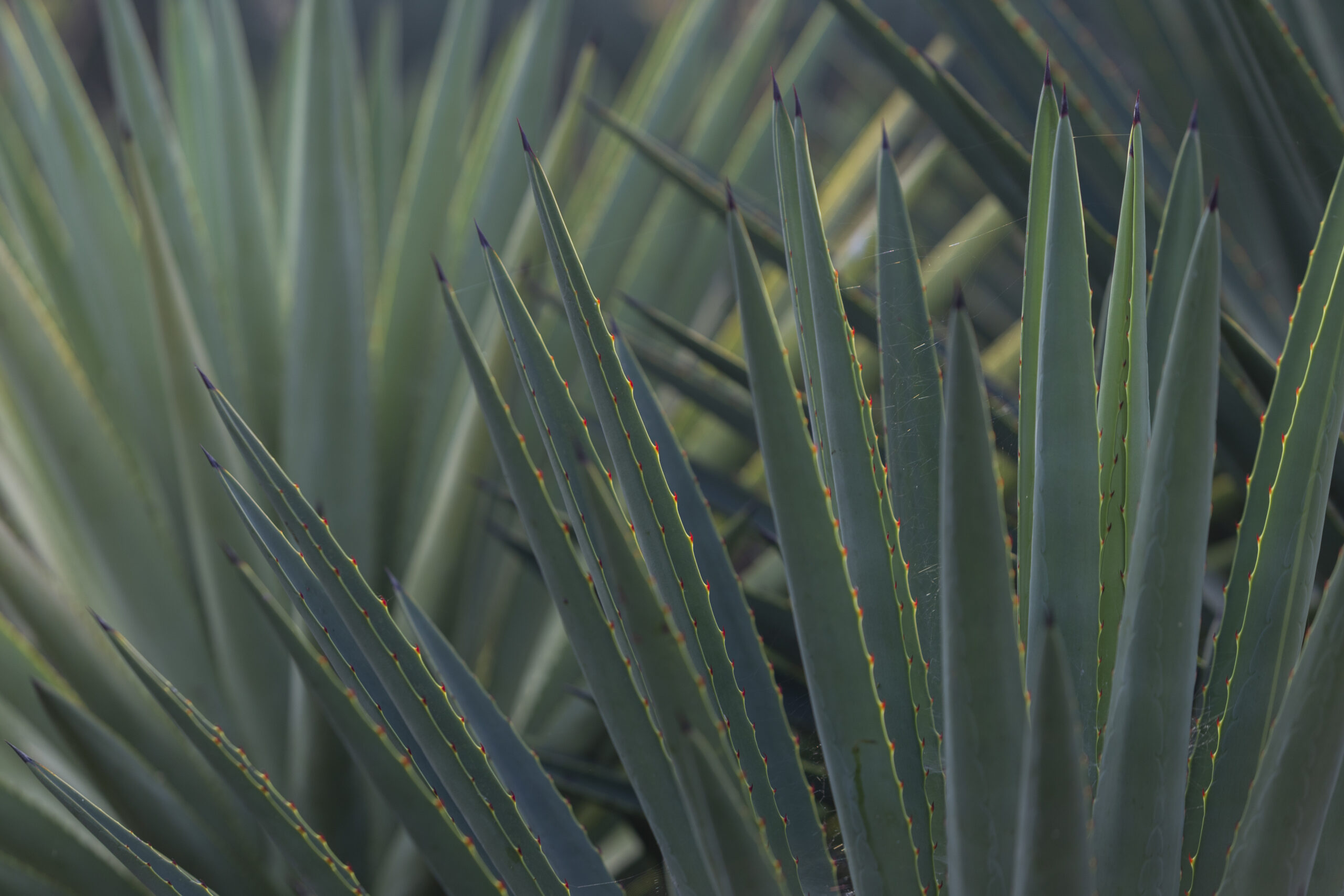
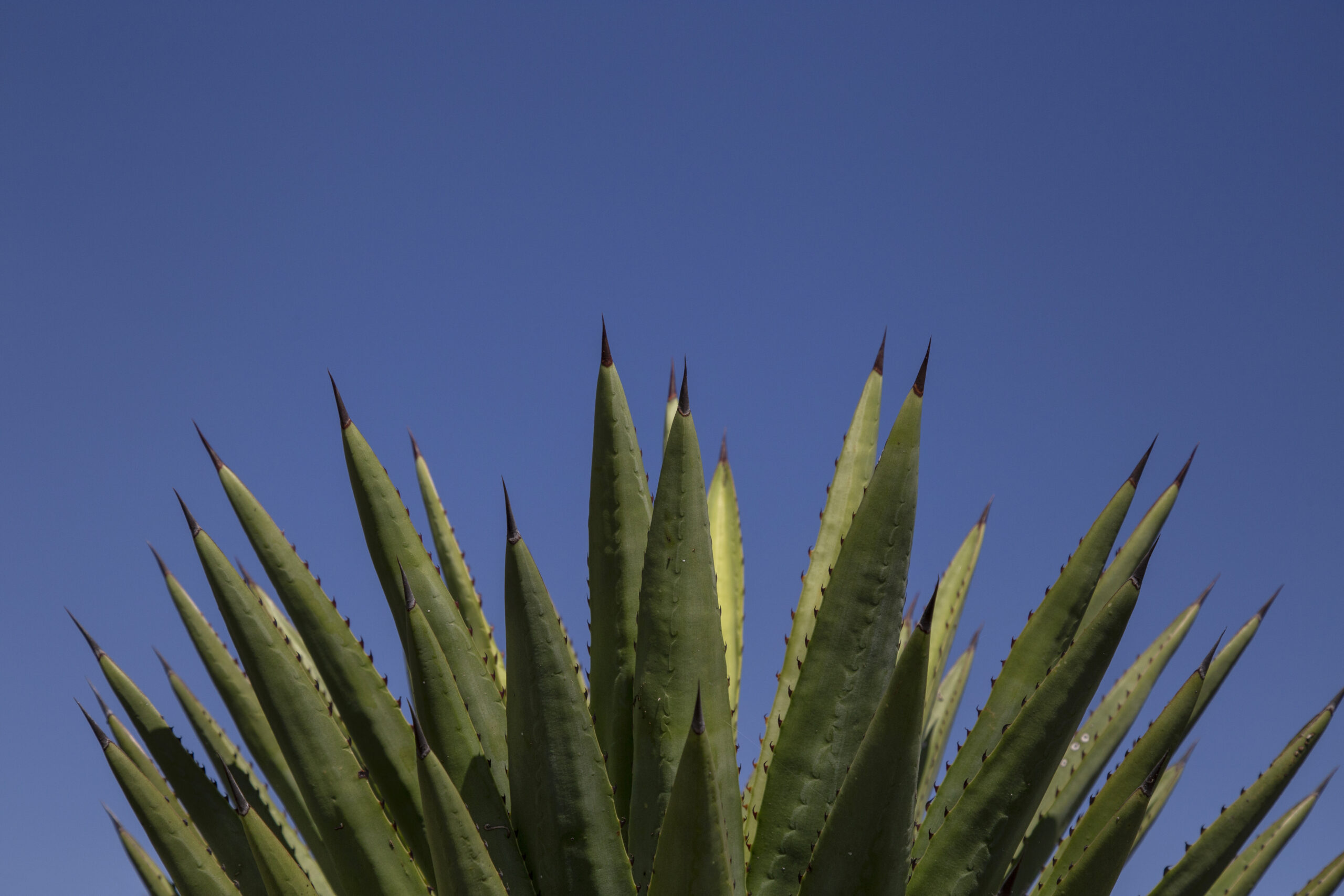
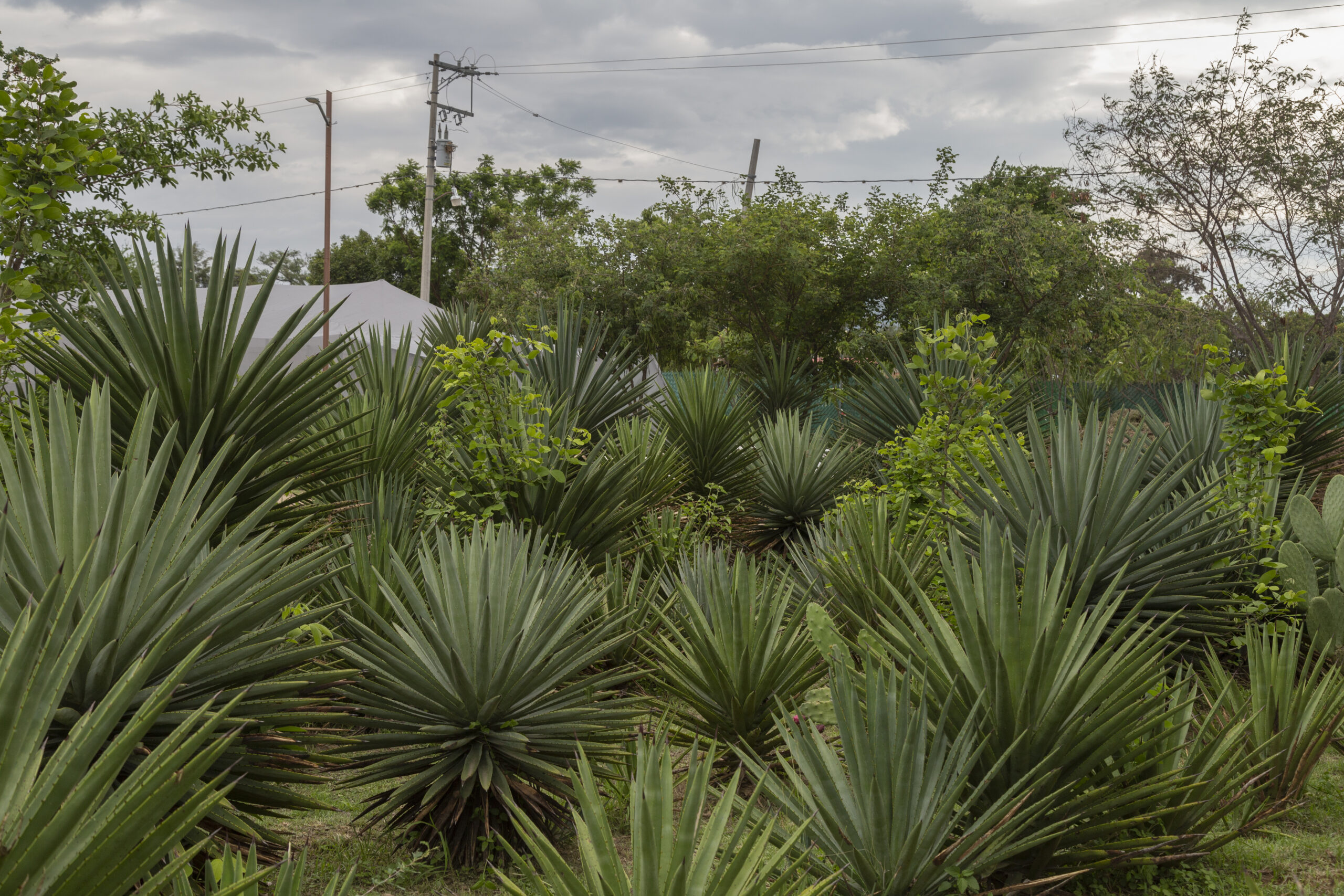
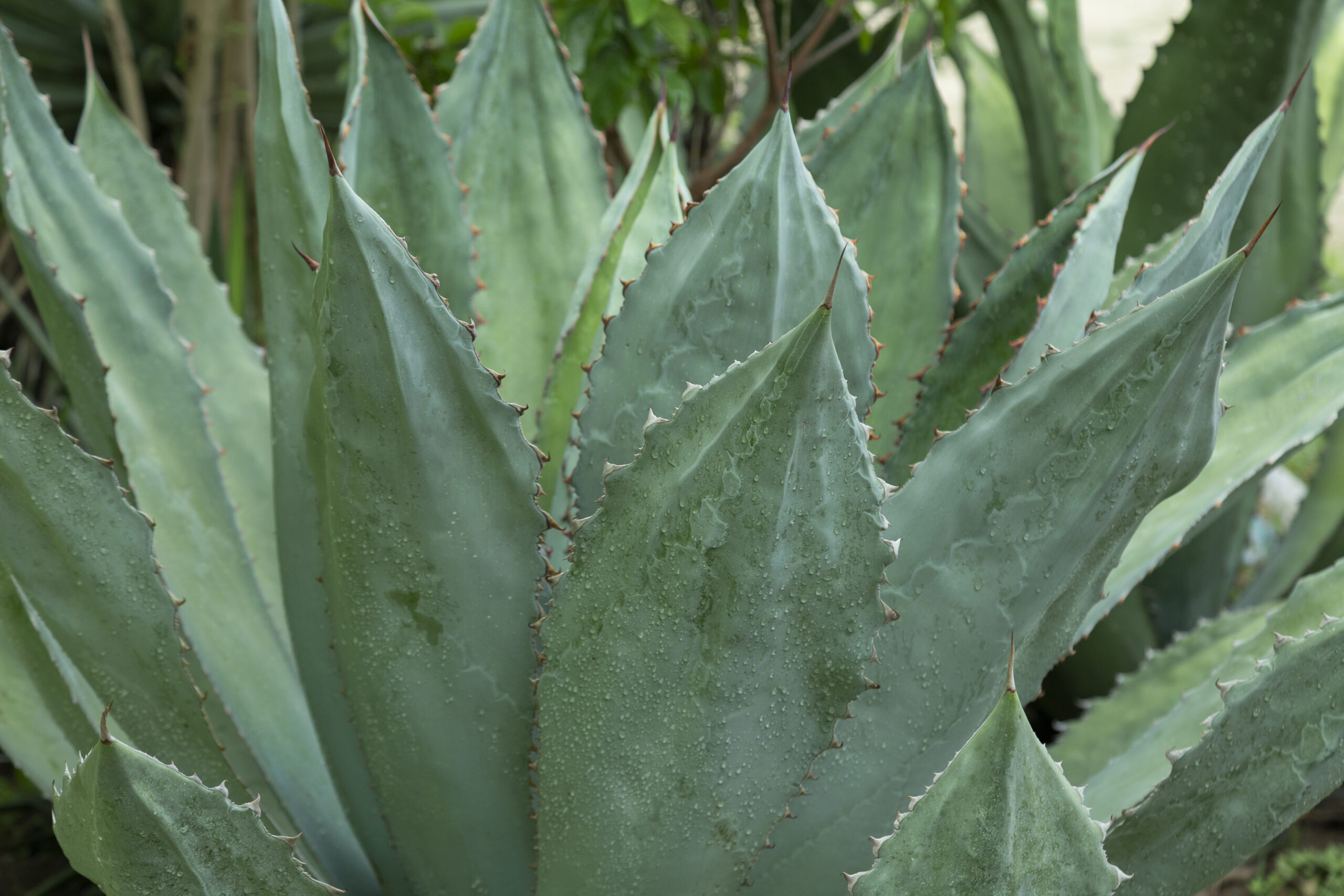
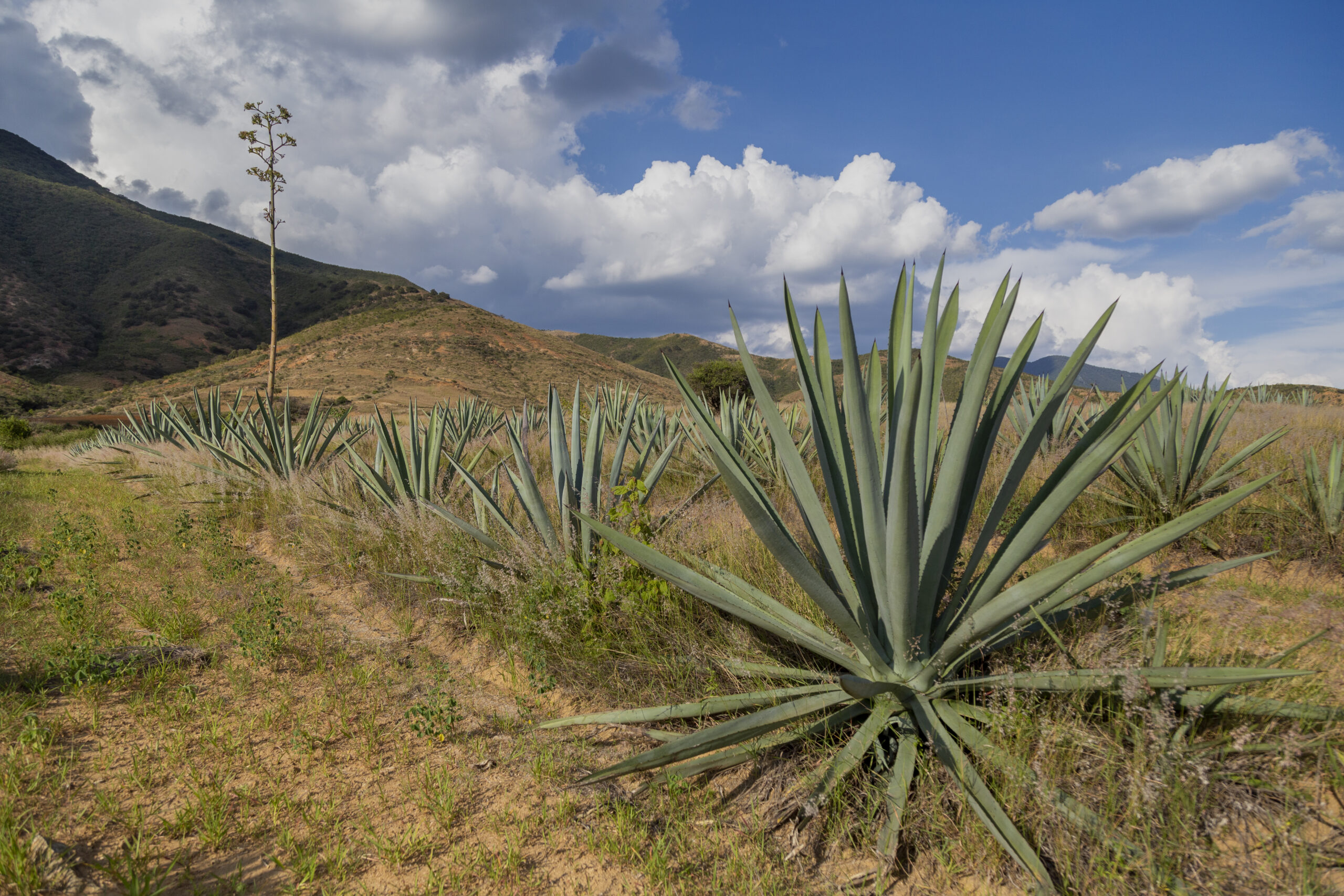
Our botanical garden and our grounds are home to various species and varieties of agaves native to the region. A key part of our work involves preserving mother plants until they bloom and collecting seeds to maintain their diversity.
Allowing an agave to bloom also means letting its story continue. Its flowers provide food for bats, birds, and pollinating insects, and after pollination, the seeds give rise to a new generation. That is why we preserve some of our agaves until they complete their reproductive cycle: because sustainability also means allowing the resources we use to reproduce again.
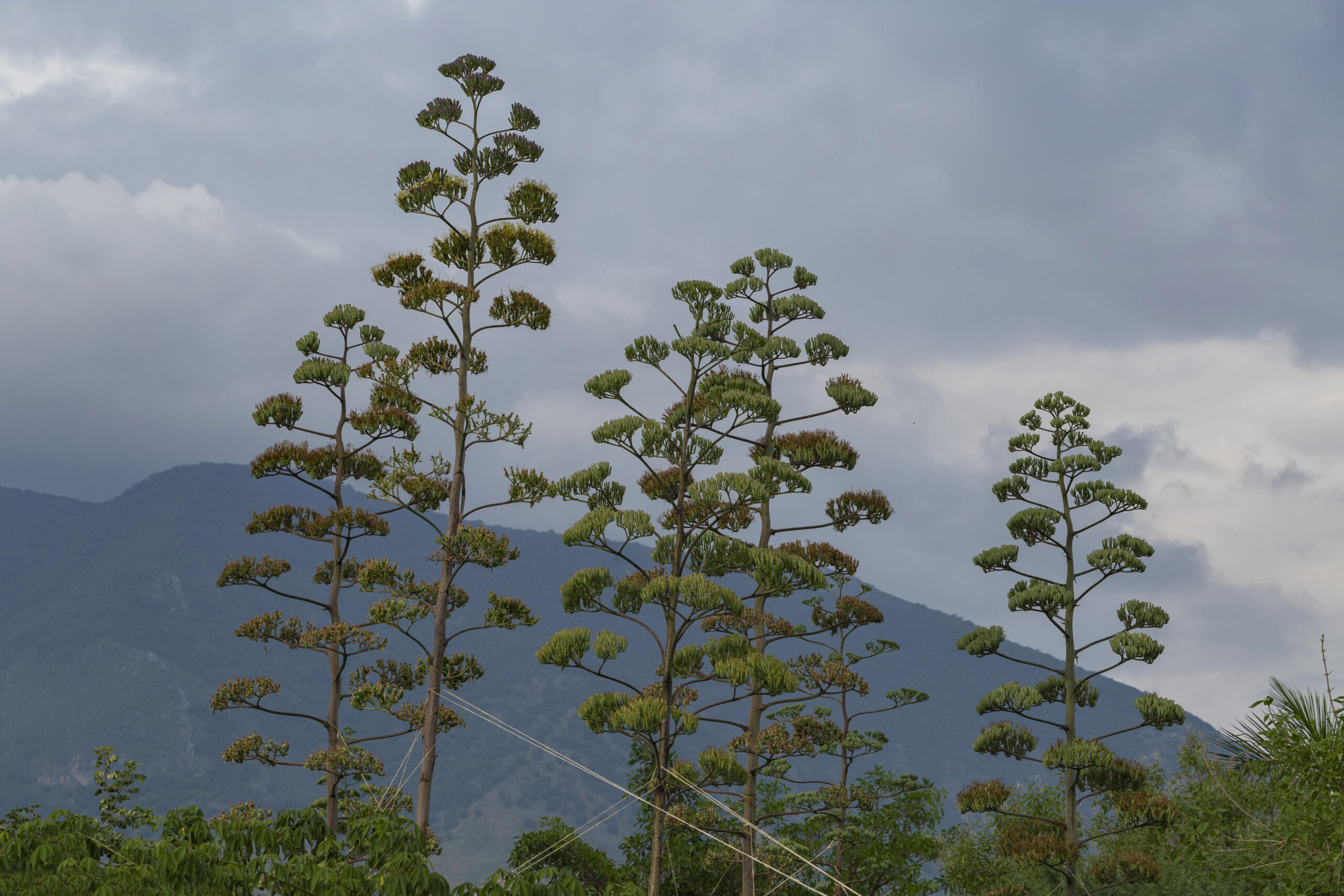
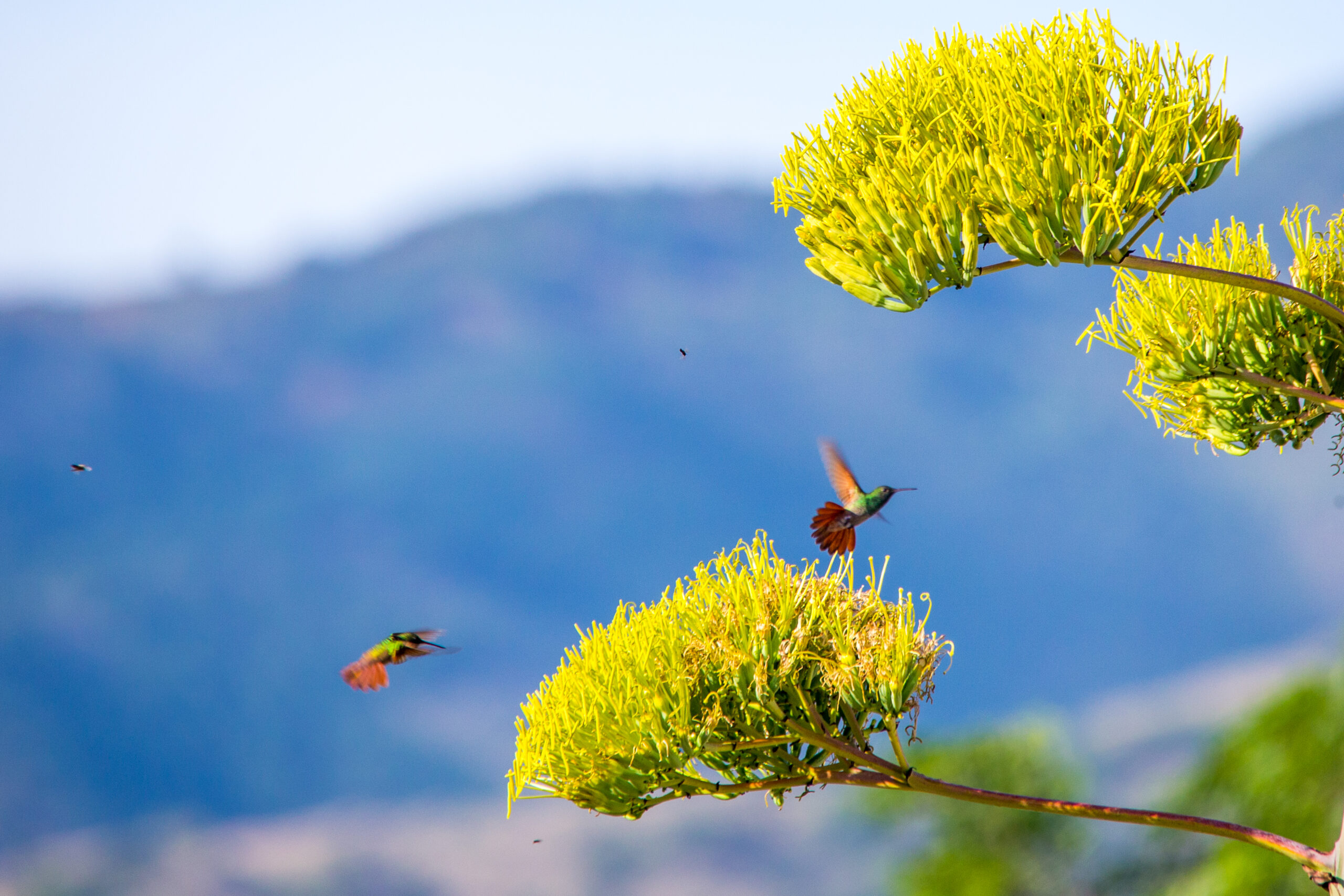
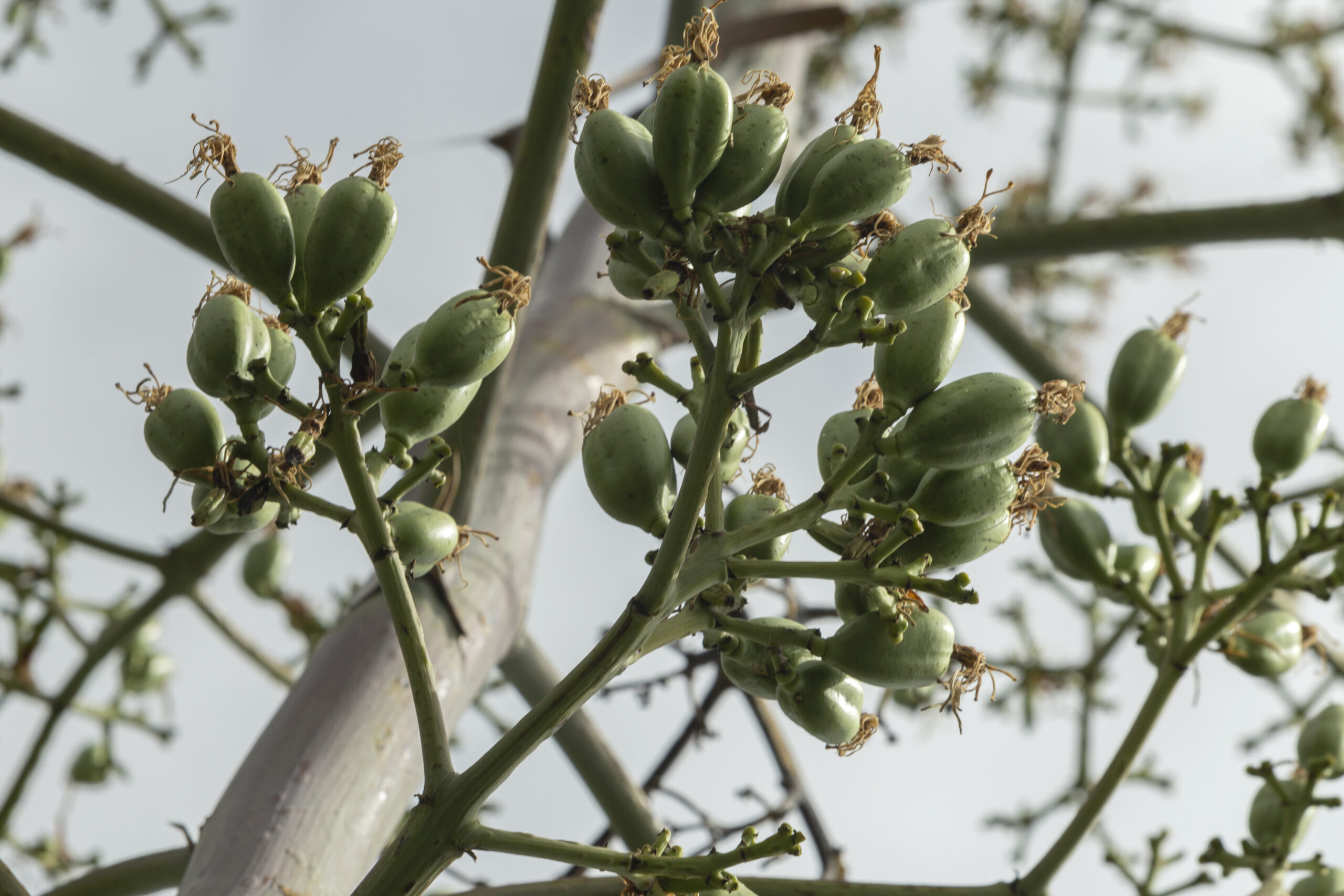
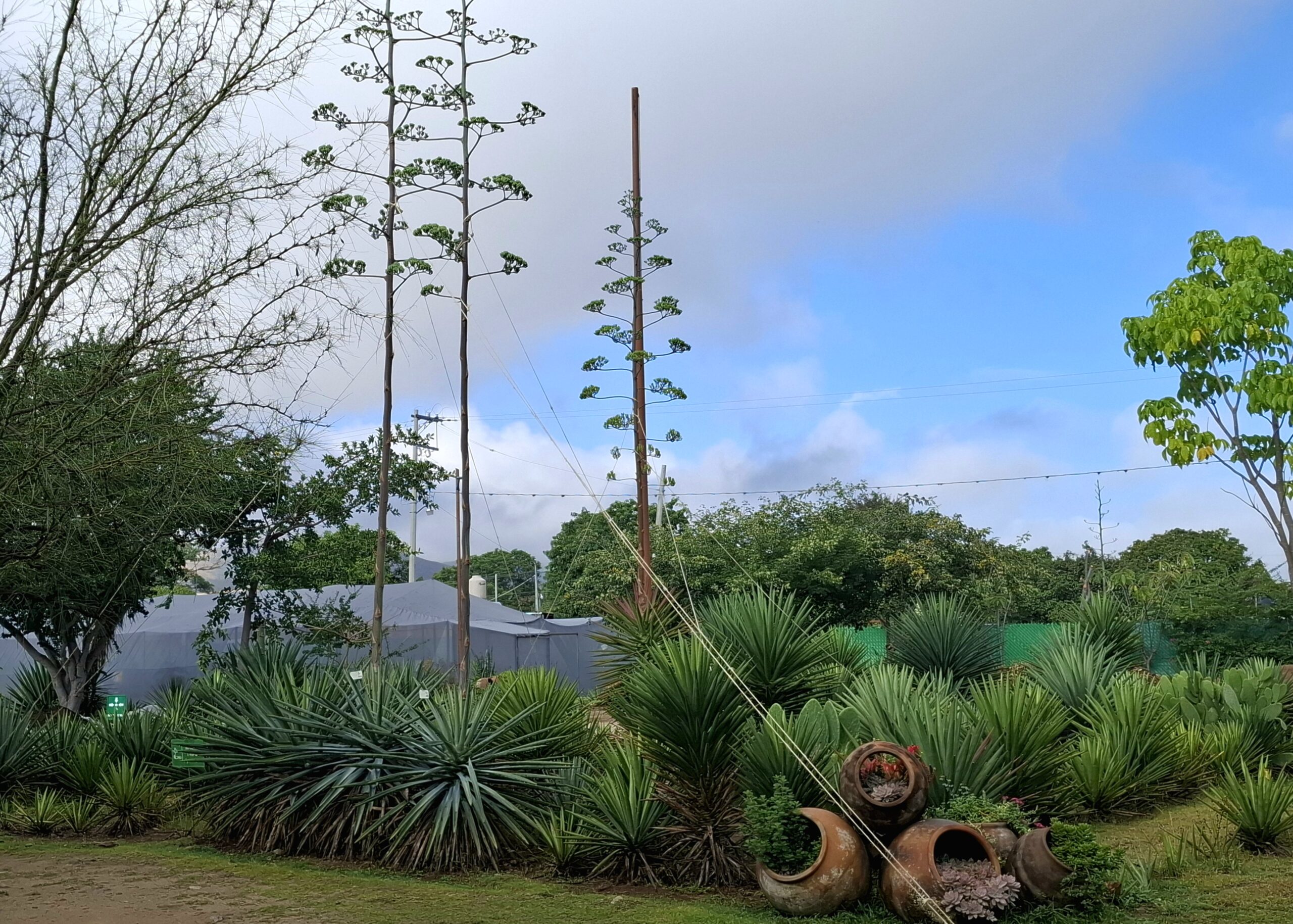
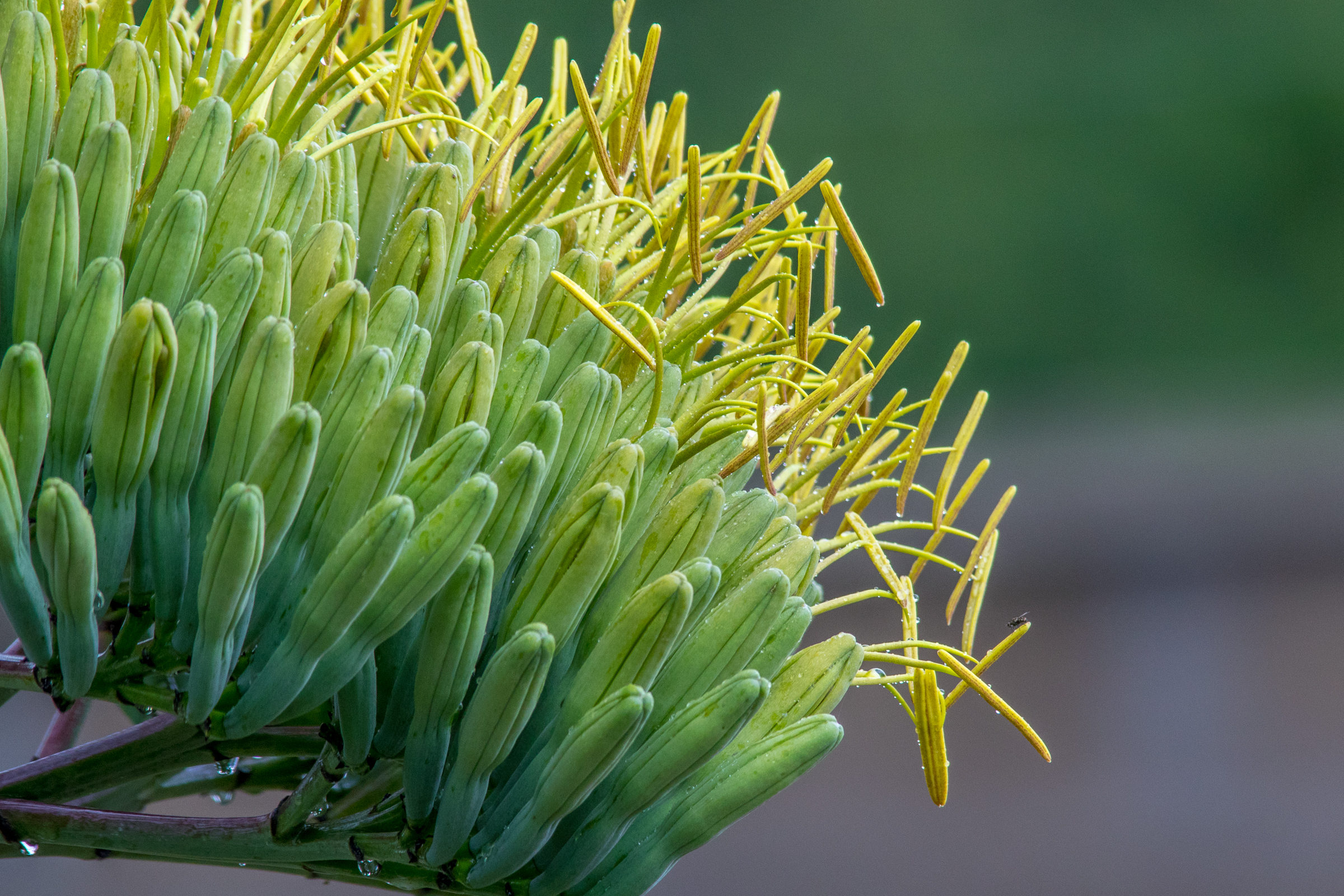
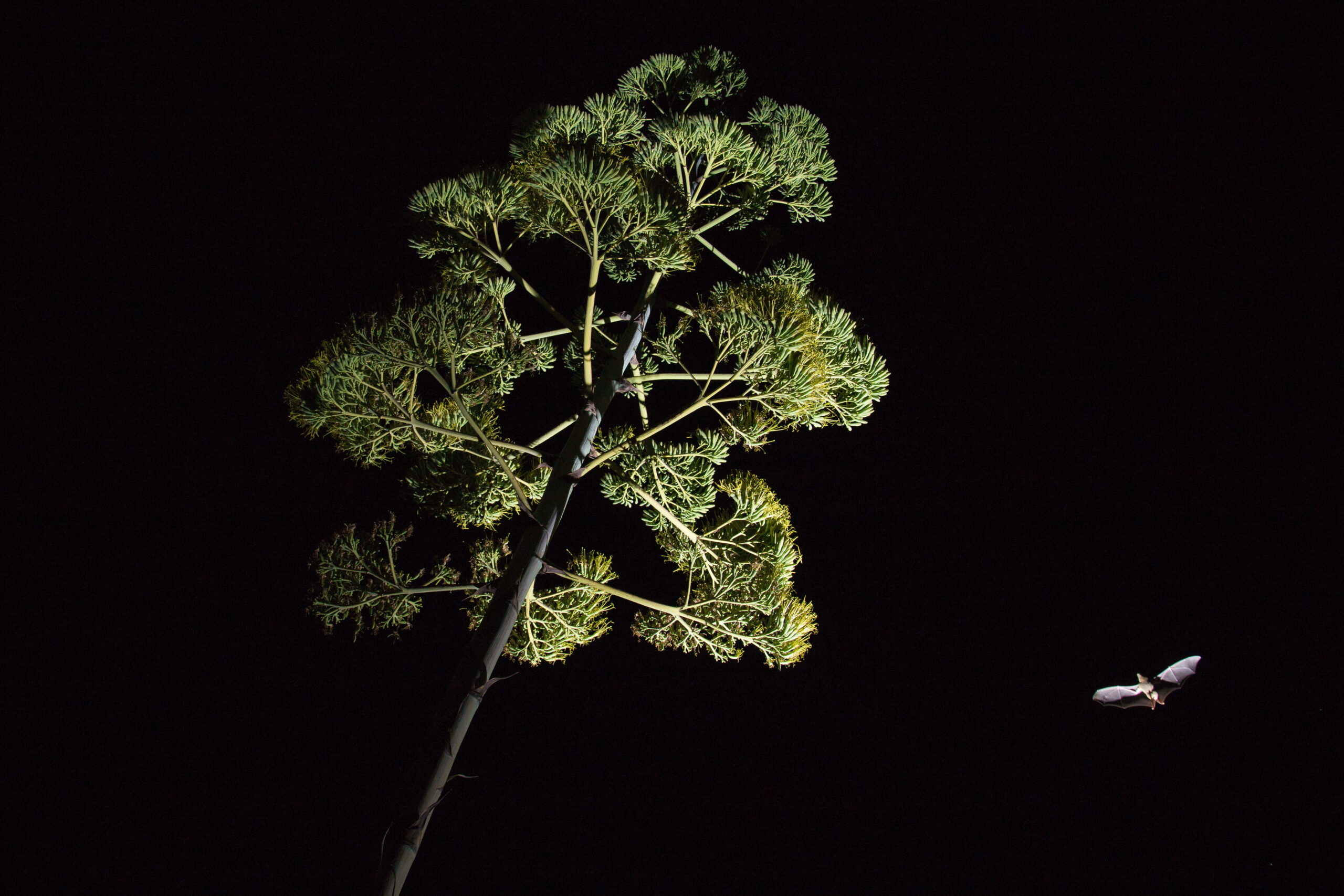
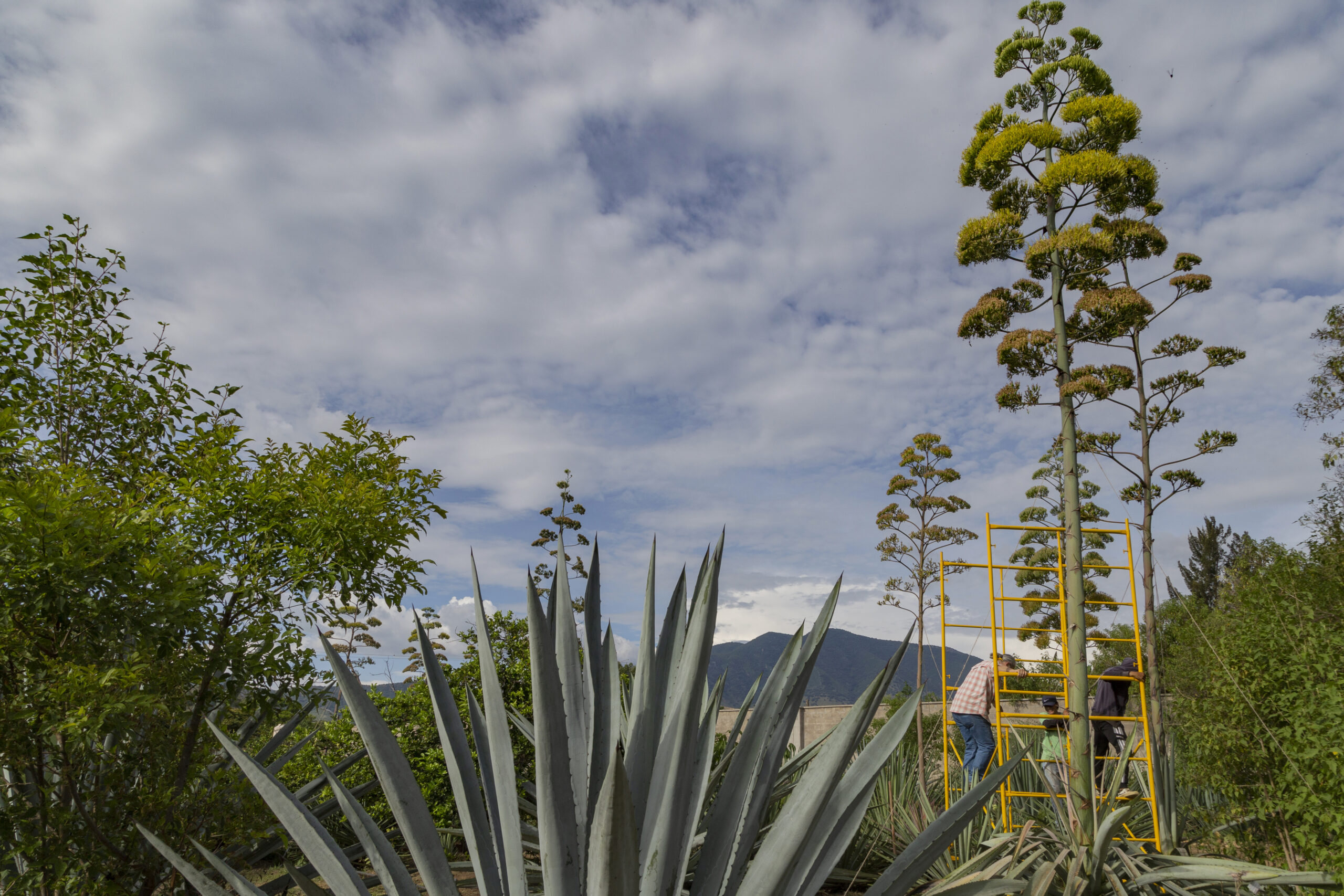
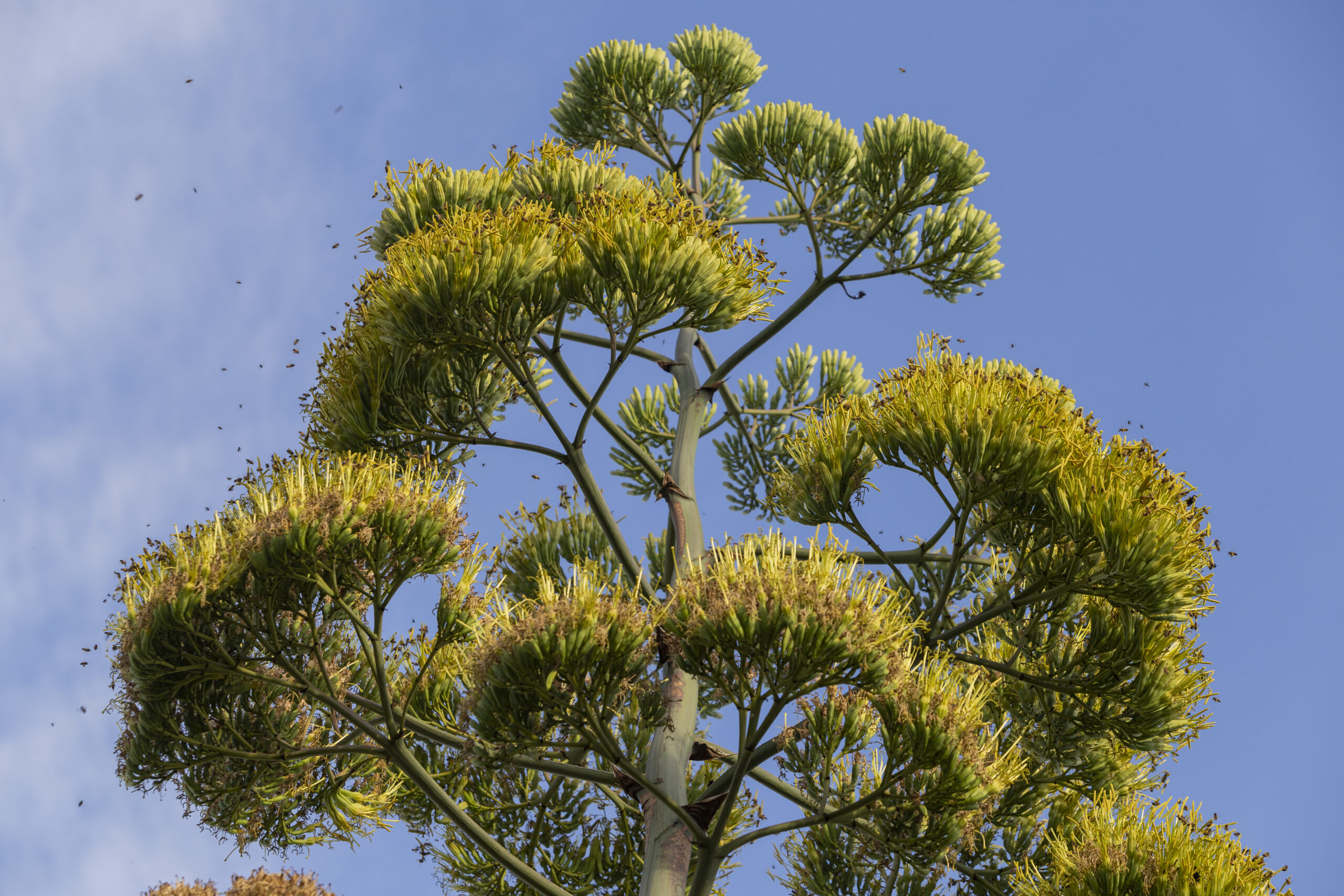
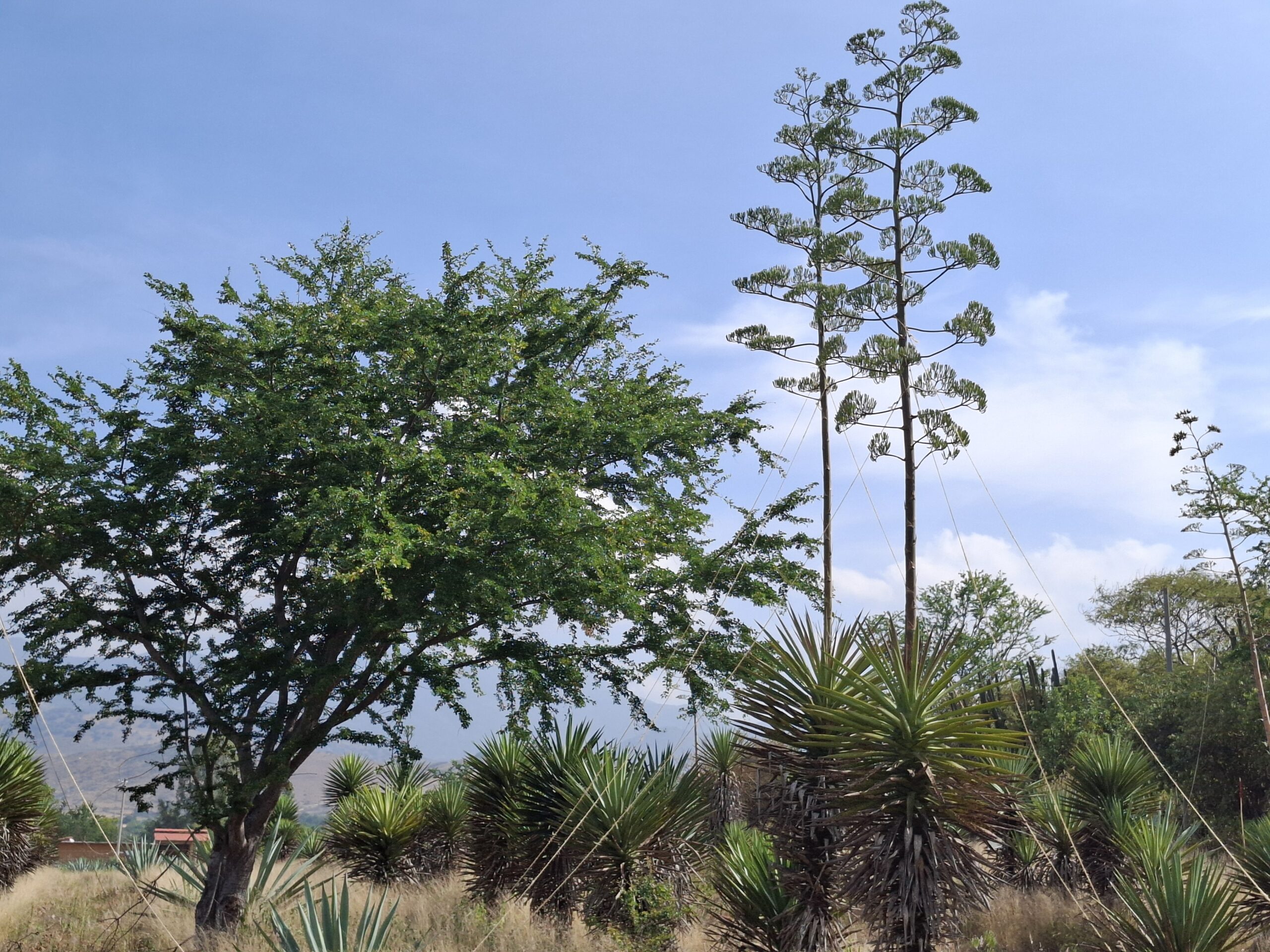
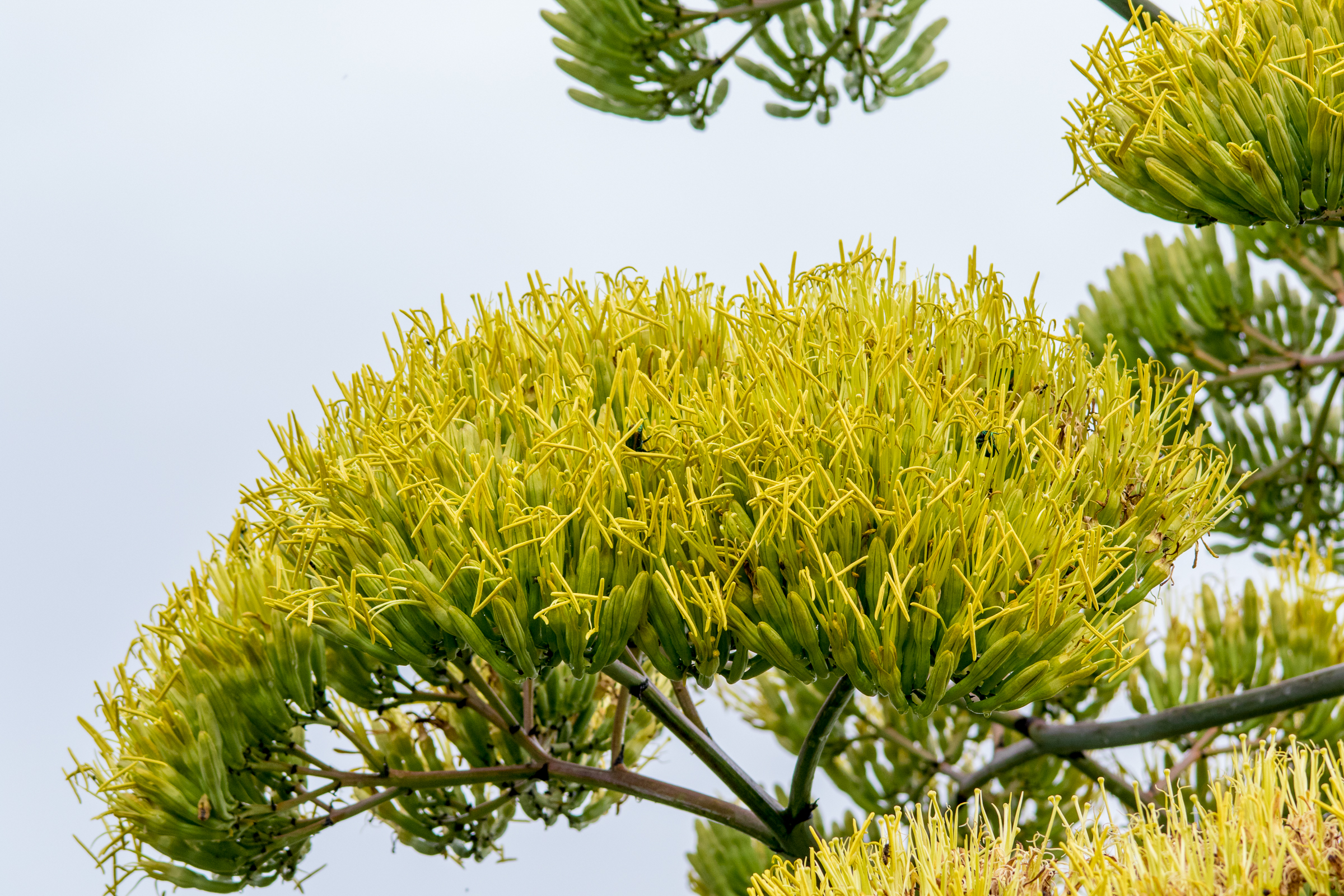
Every flowering reminds us that conservation also means thinking about what comes next. The seeds we harvest from our mother plants represent new generations of agaves and the possibility of preserving their diversity over time. That is the origin of our seed bank: the decision to safeguard today the diversity we hope to see once again in this region.
As of 2026, our seed bank preserves lots from 191 mother plants, representing 22 varieties of 8 agave species native to the region. We also preserve native corn, bean, and squash seeds, which are part of our cropping systems interplanted with agave.
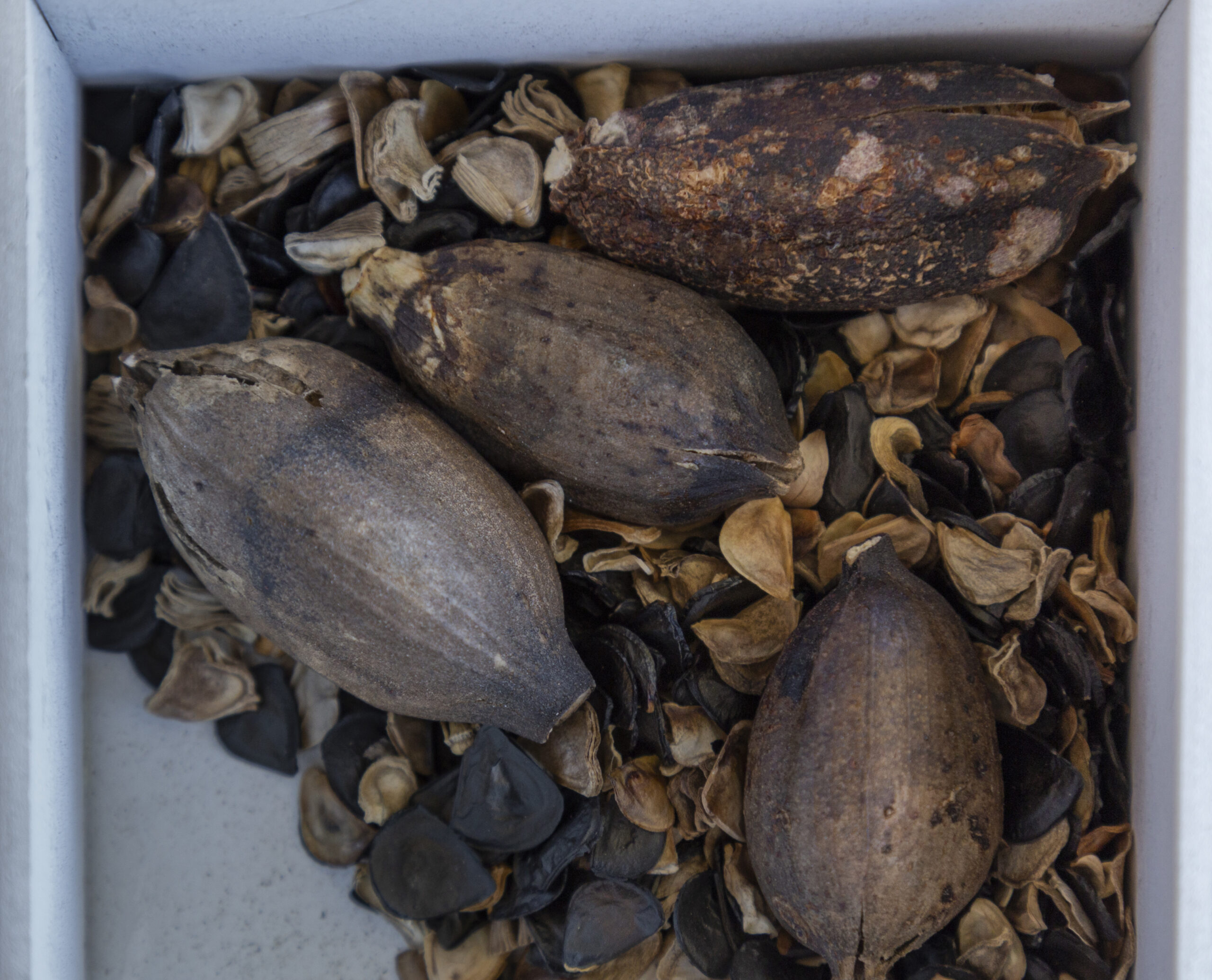
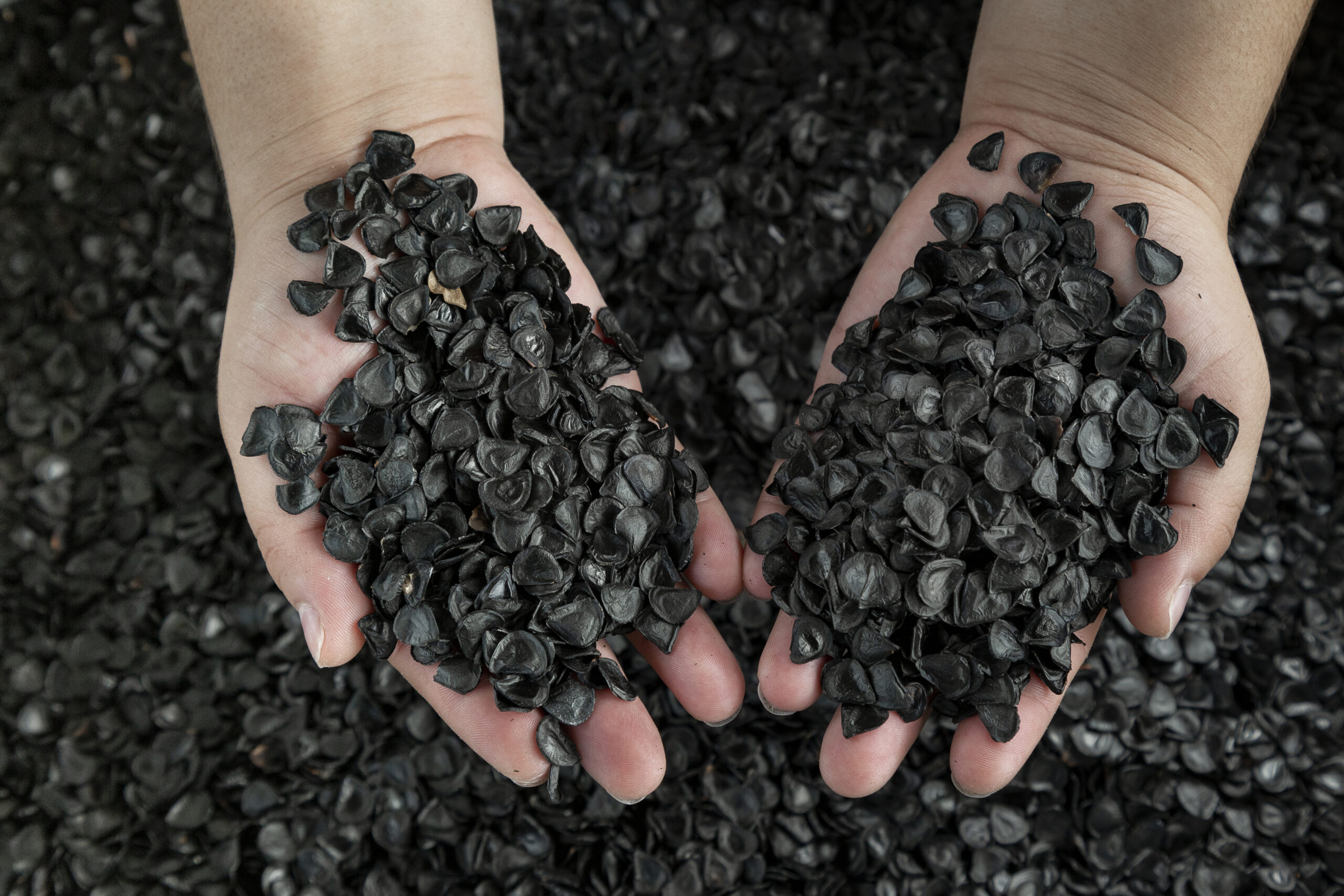
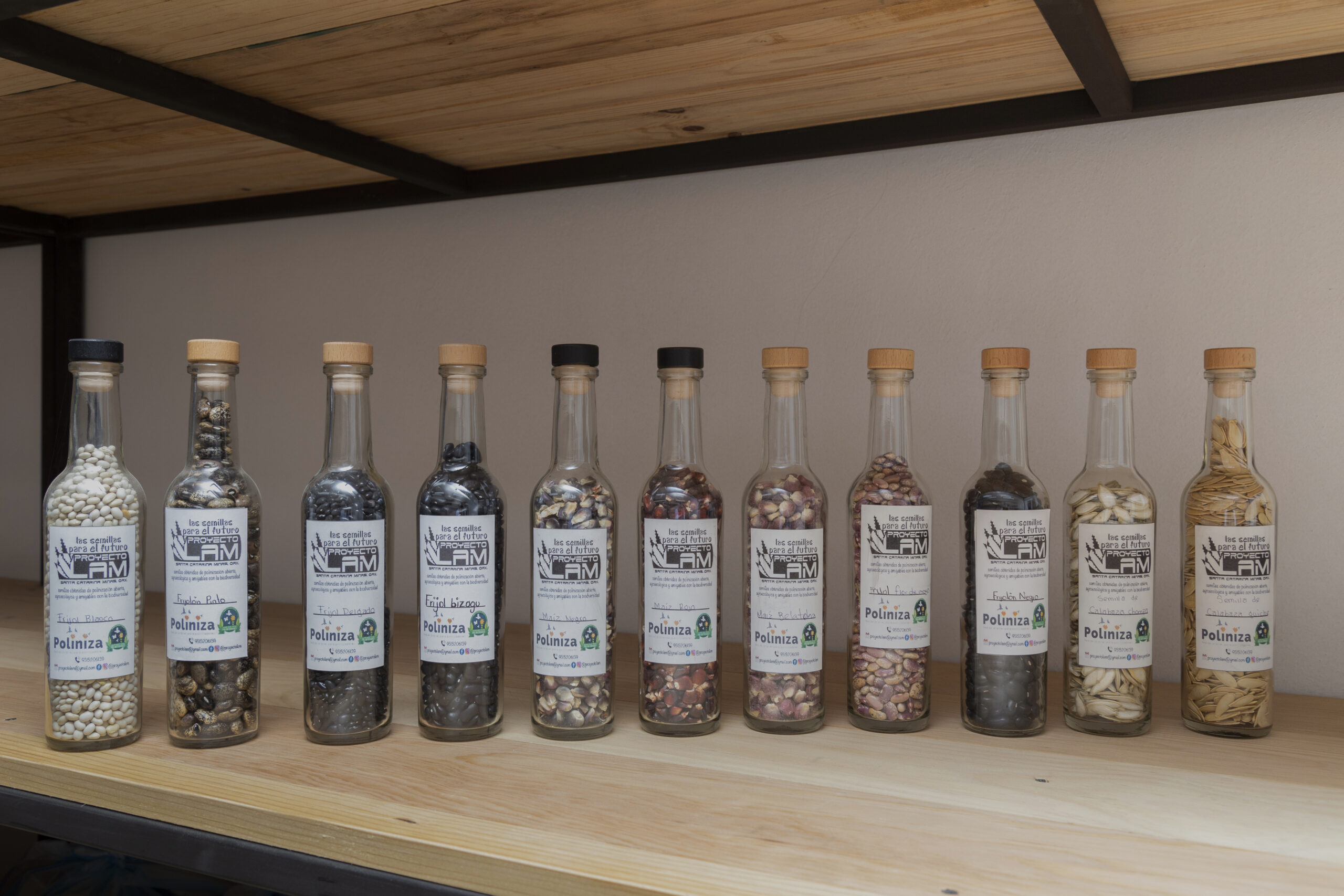
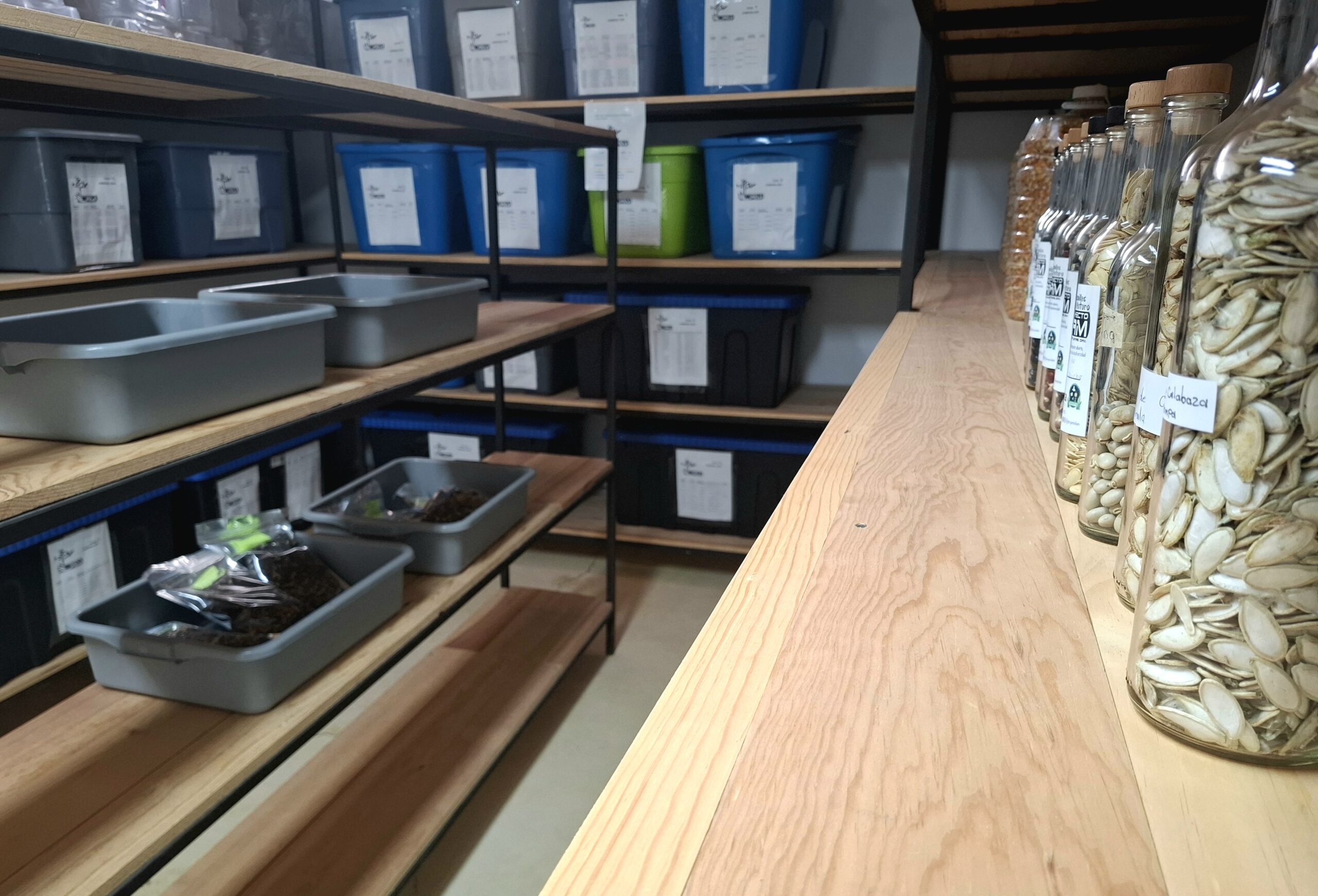
The seeds we preserve are part of the biological diversity of these territories and represent a heritage that we want to keep alive. That is why it is important to us not only to preserve and propagate them, but also to know where they come from and to ensure that their future use is consistent with that purpose. Caring for this material means preventing seeds and plants from losing their connection to the territory and from being distributed without knowing for what purpose or where they will be used.
In the context of climate change, saving seeds also means preserving possibilities. Conserving genetic diversity allows us to maintain alternatives in the face of changing environmental conditions and to have local seeds available for our farming, conservation, restoration, and research efforts.
Some of these agave seeds are germinated in our nursery, where we monitor their growth until the plants are ready to be transplanted into the field.
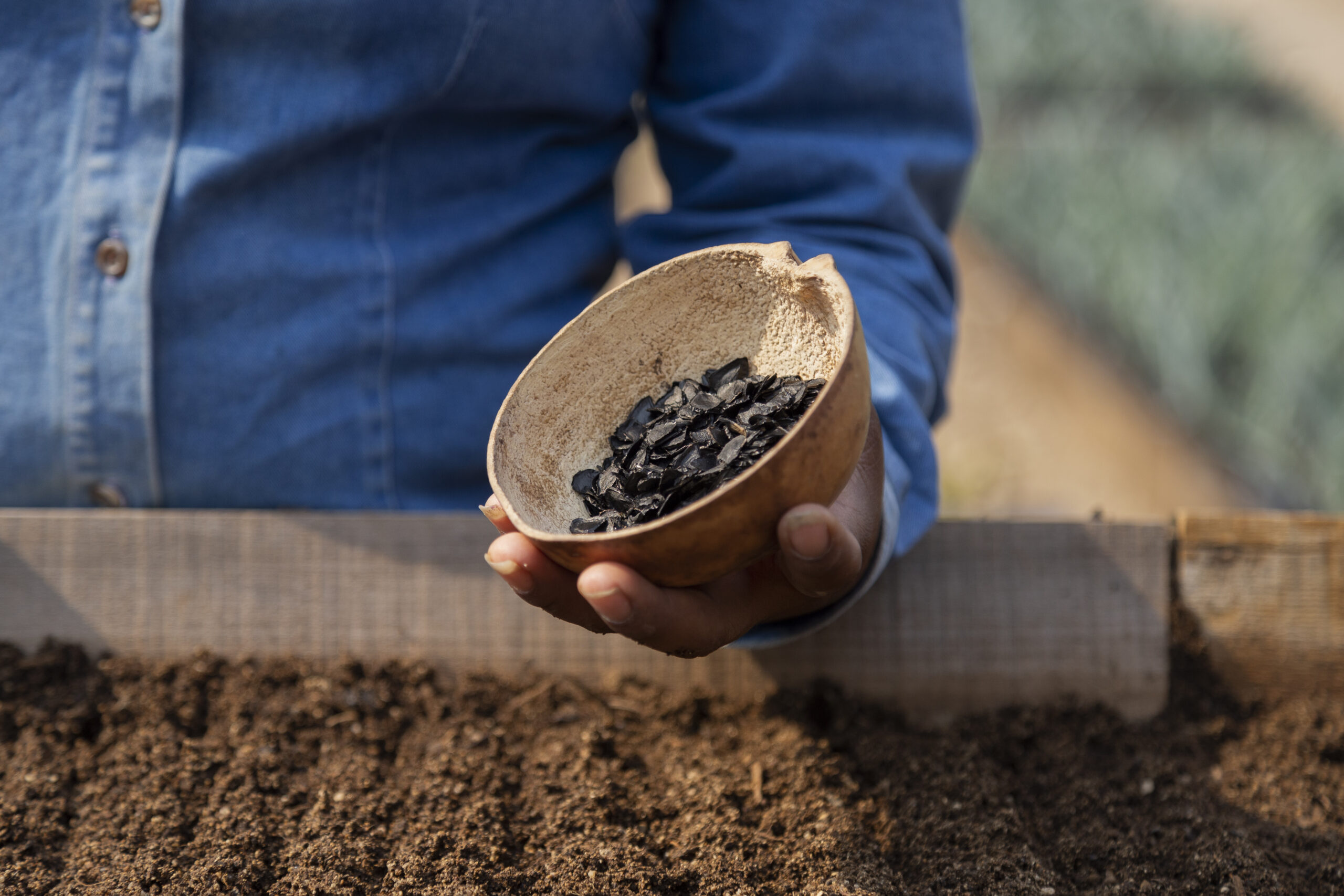
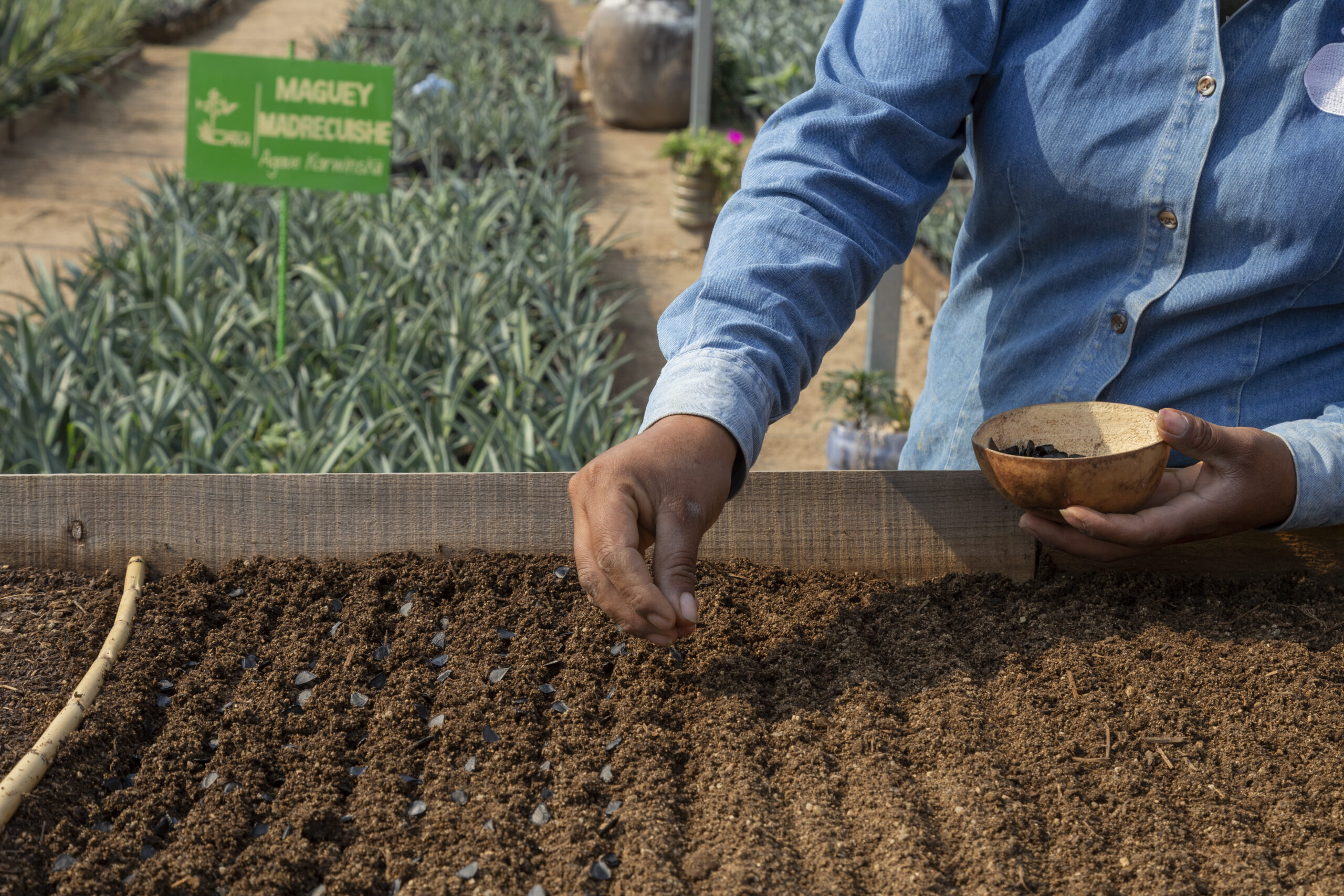
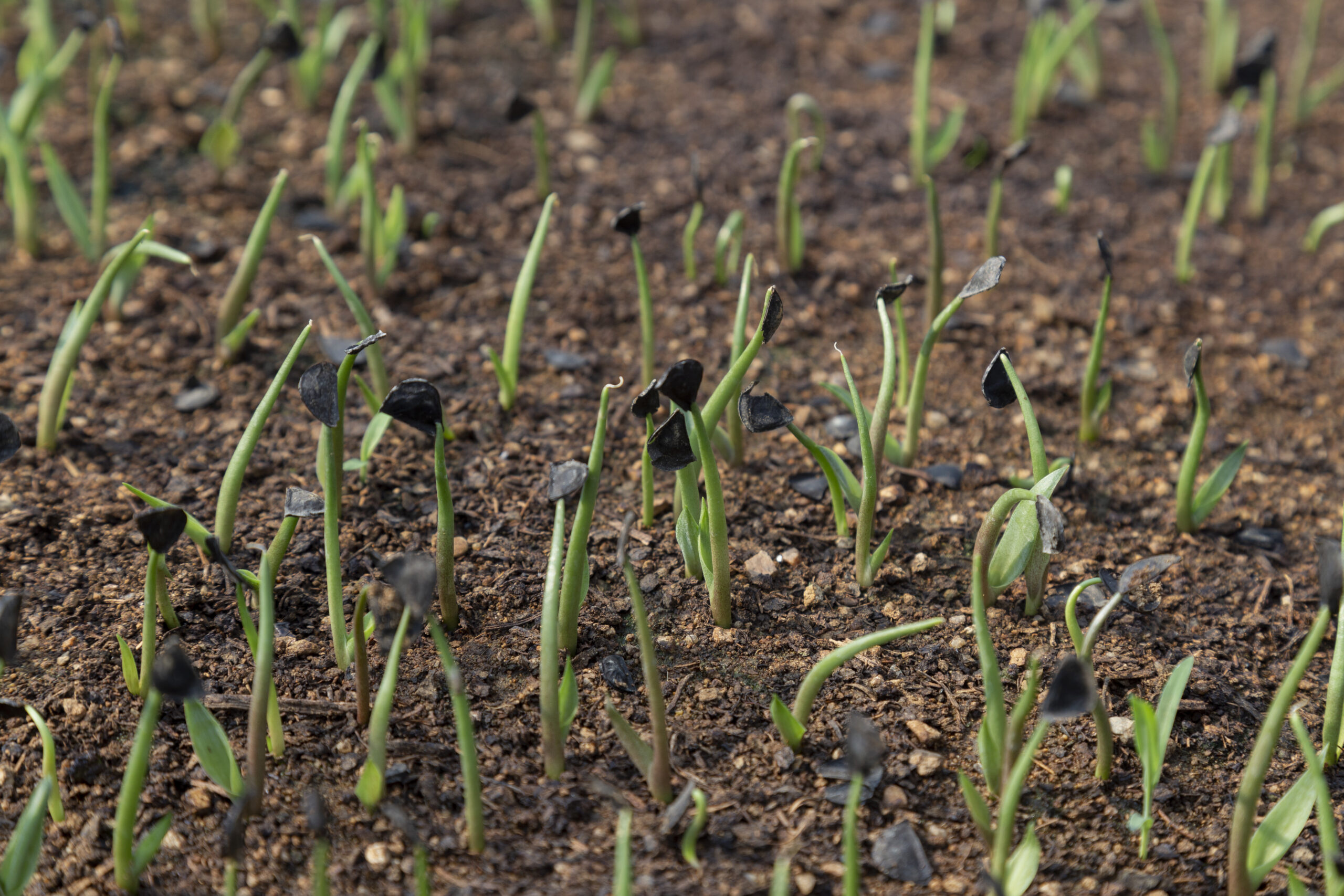
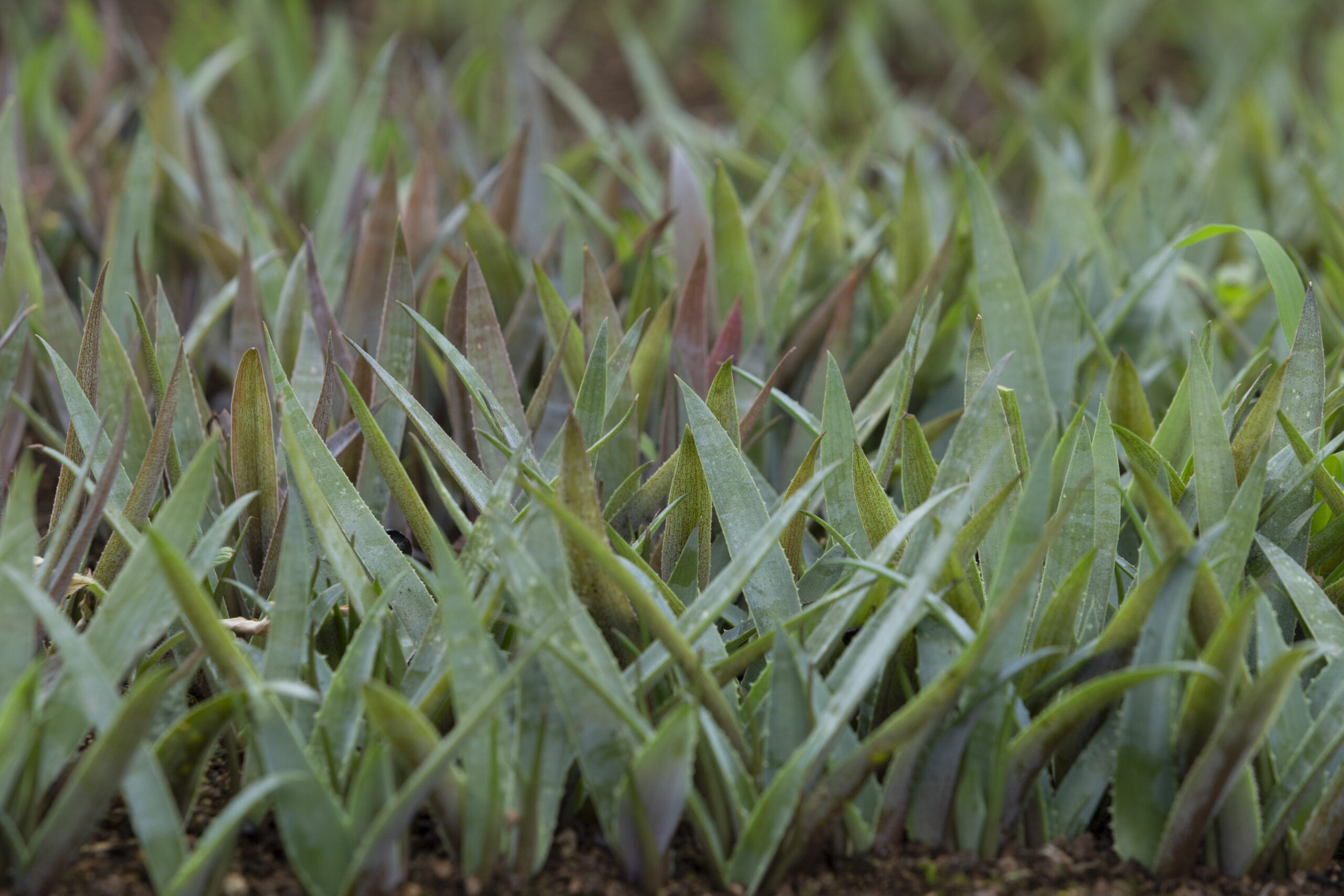
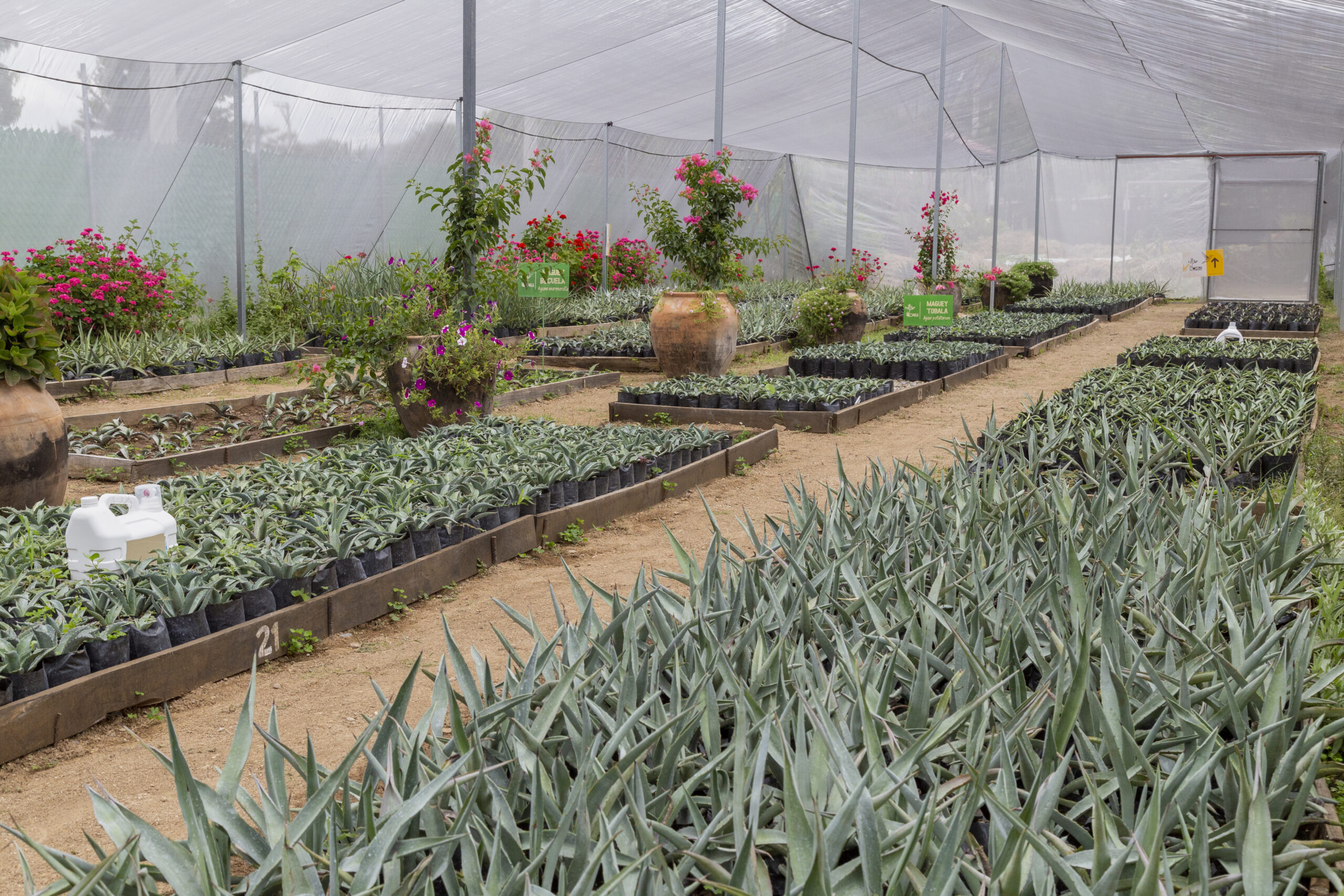
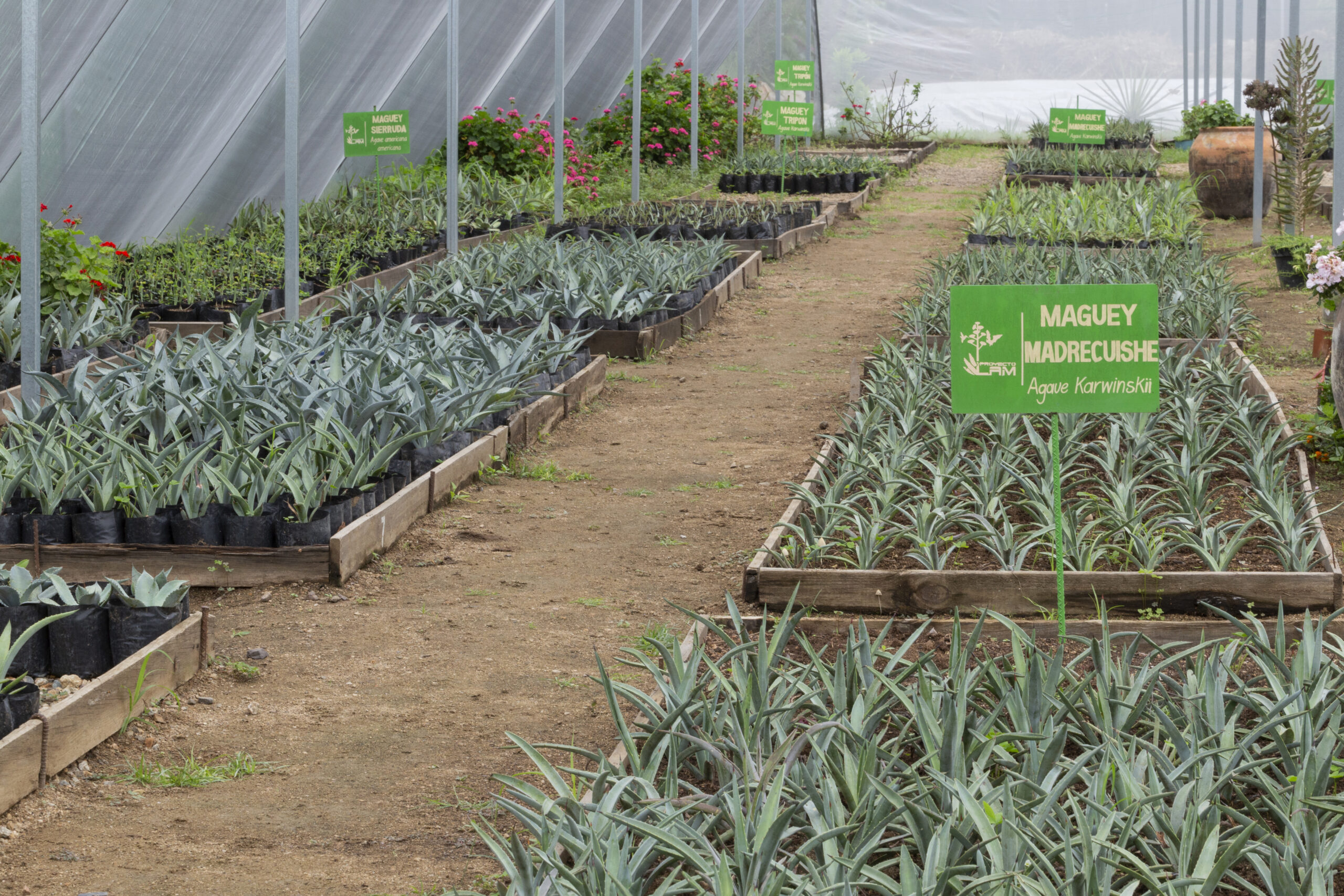
Propagation by seed is especially important for wild agave species, as it allows us to contribute to the continuity of their populations and ensures that mezcal production does not depend solely on harvesting plants from the wild, but also on propagating and conserving them for the future.
Part of this work has already led to the production of mezcal. Some spirits have been made using the first agaves harvested from the LAM Project, while other special editions have been created to raise funds and help ensure the continuation of our conservation efforts.
Please support us with a donation to the LAM Project! Every contribution helps us keep moving forward. Thank you for being part of this effort.
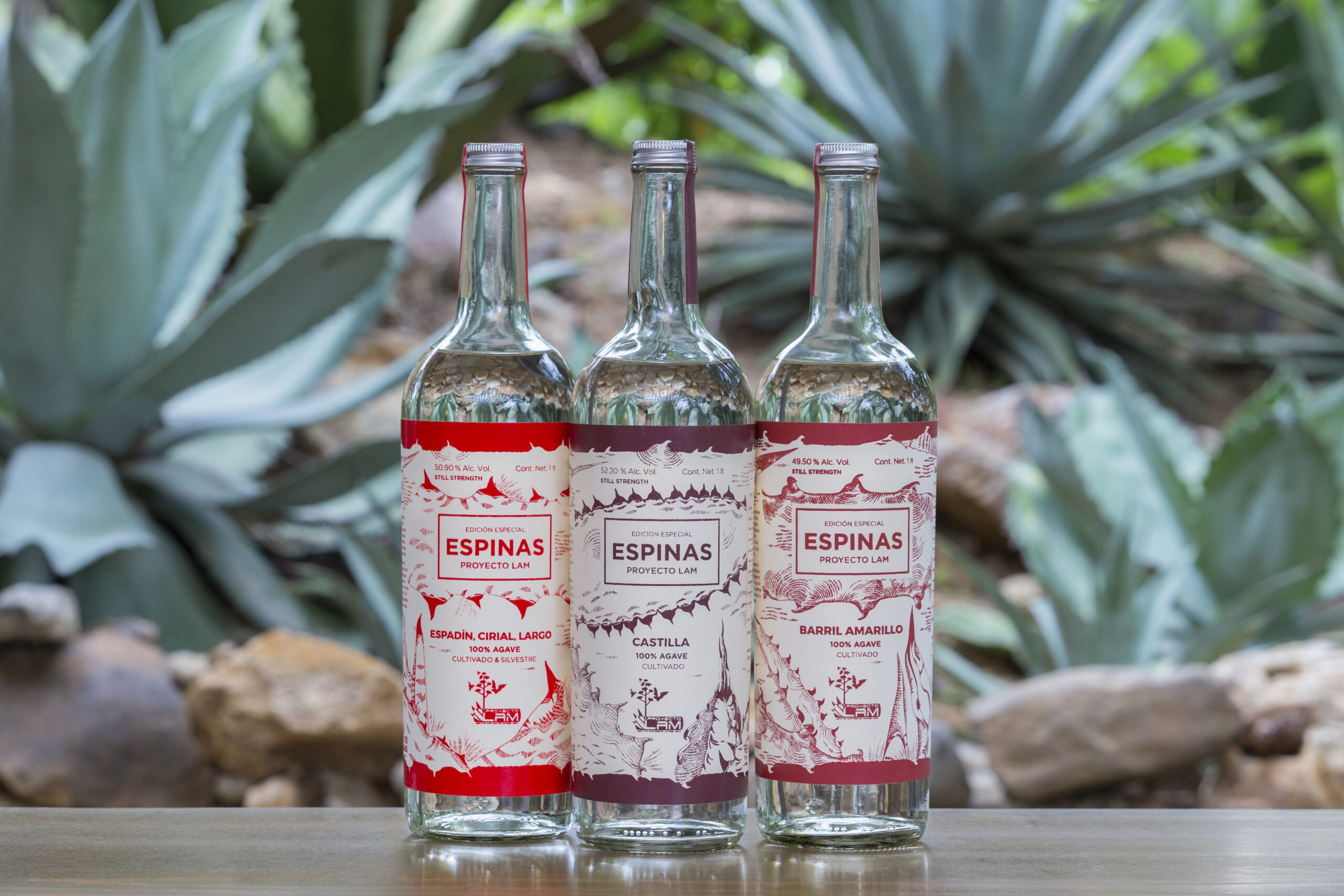
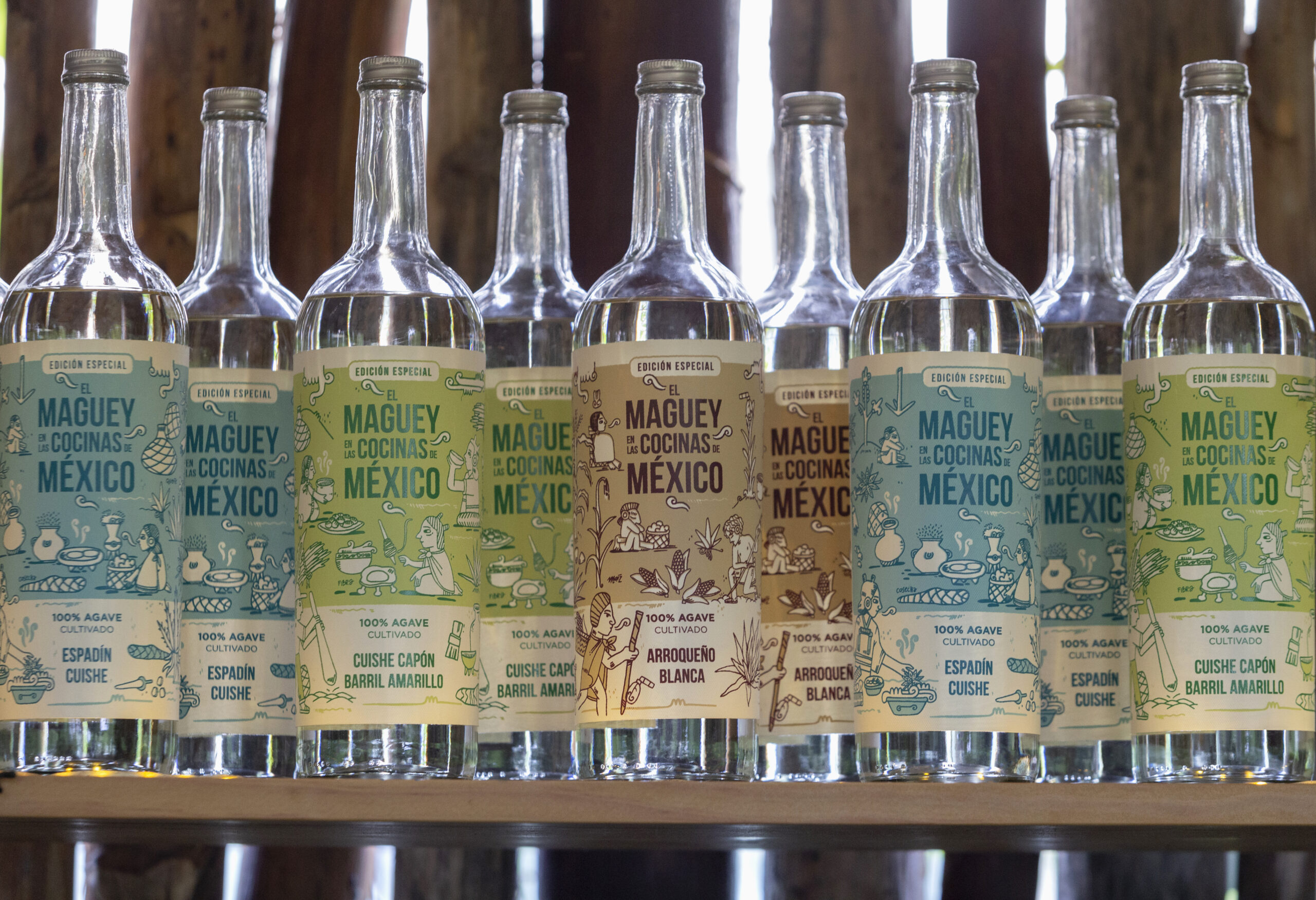
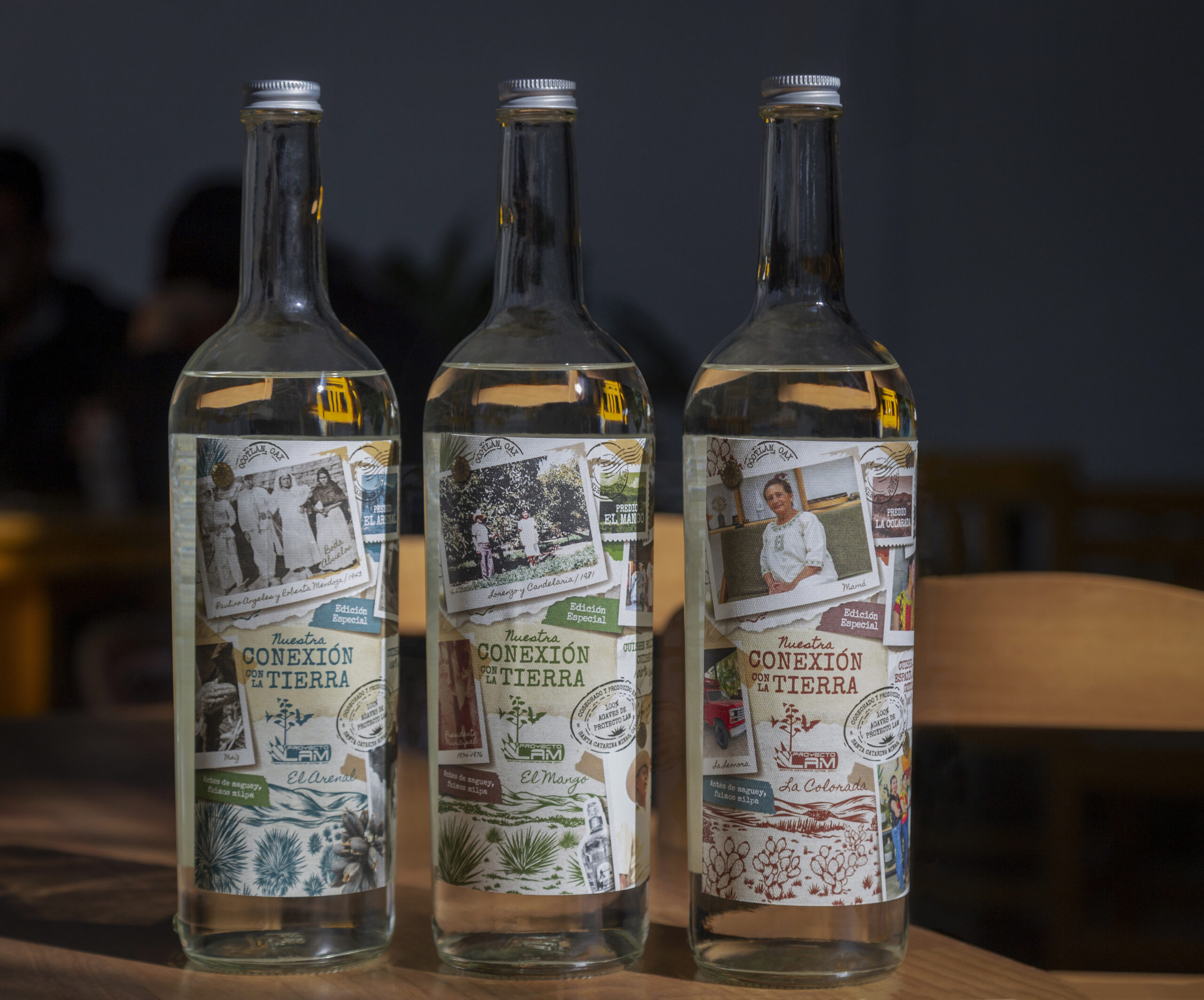
To protect the land, we combine agroecological crop management with efforts to restore the soil, water, and vegetation on our properties.
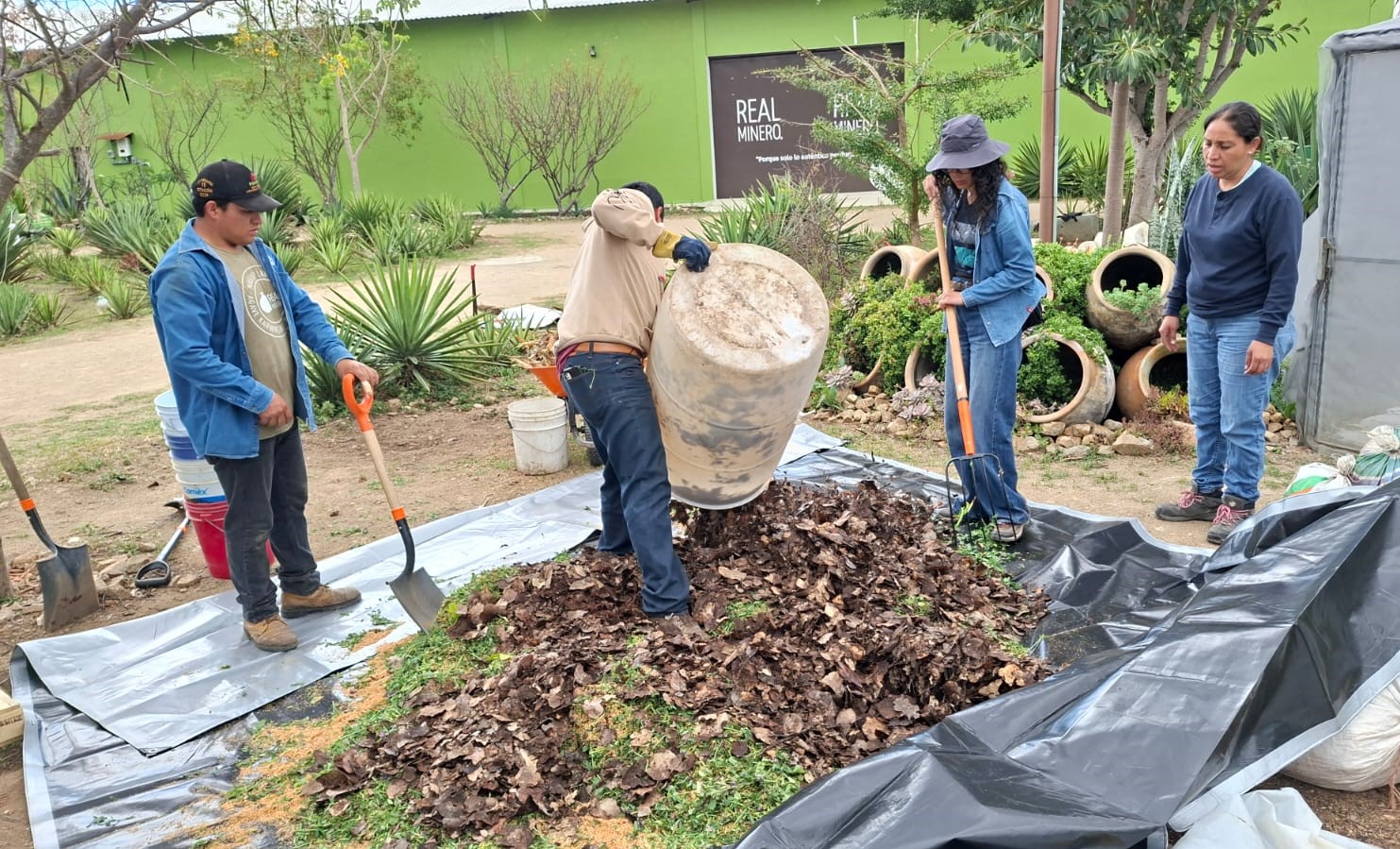
We practice intercropping and mixed cropping; we do not use agrochemicals; we experiment with the production and application of bio-inputs; we produce our own compost; and we monitor and trap pests. These practices allow us to observe how the crops respond and adjust our management practices according to the conditions of each farm.
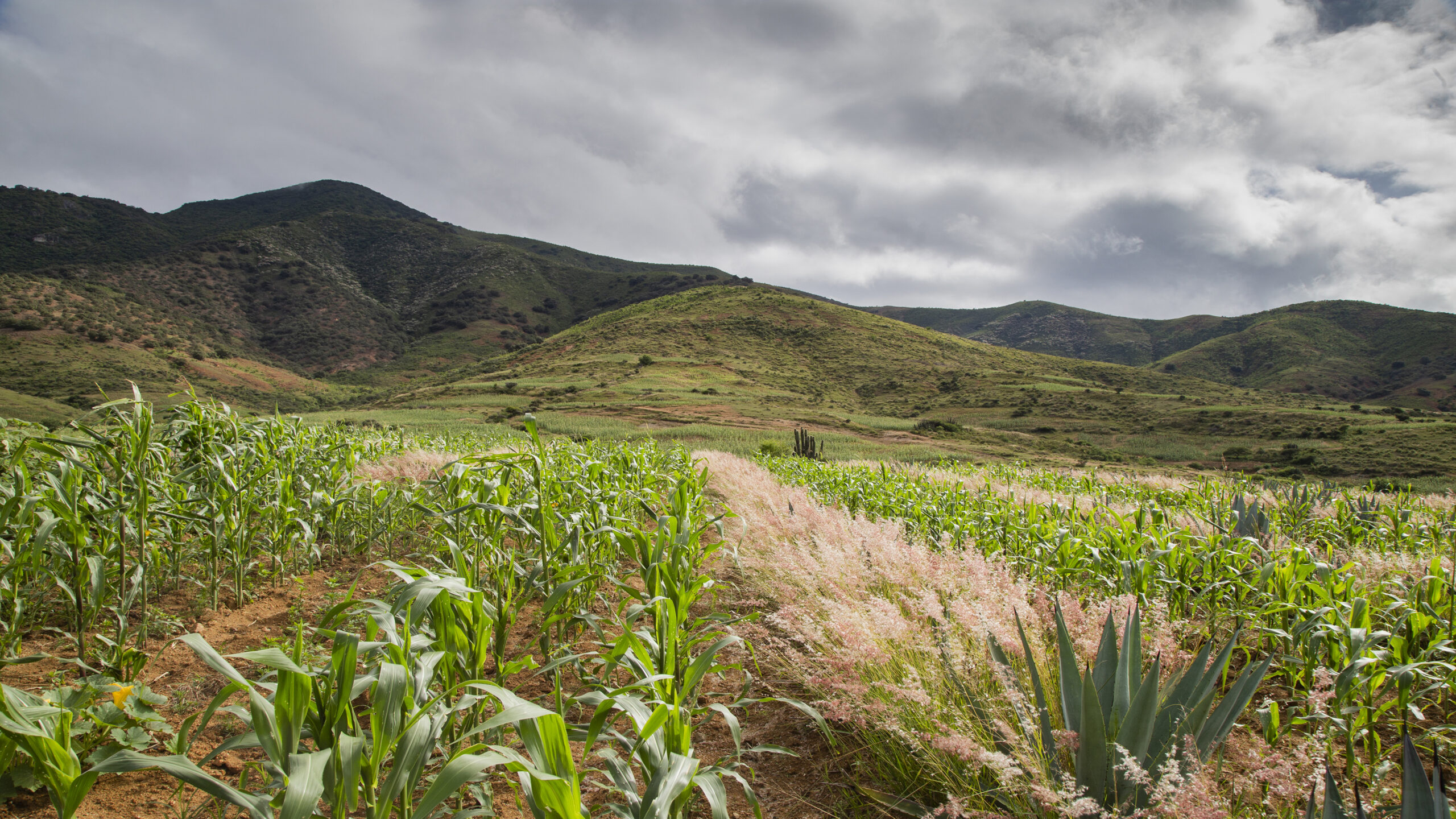
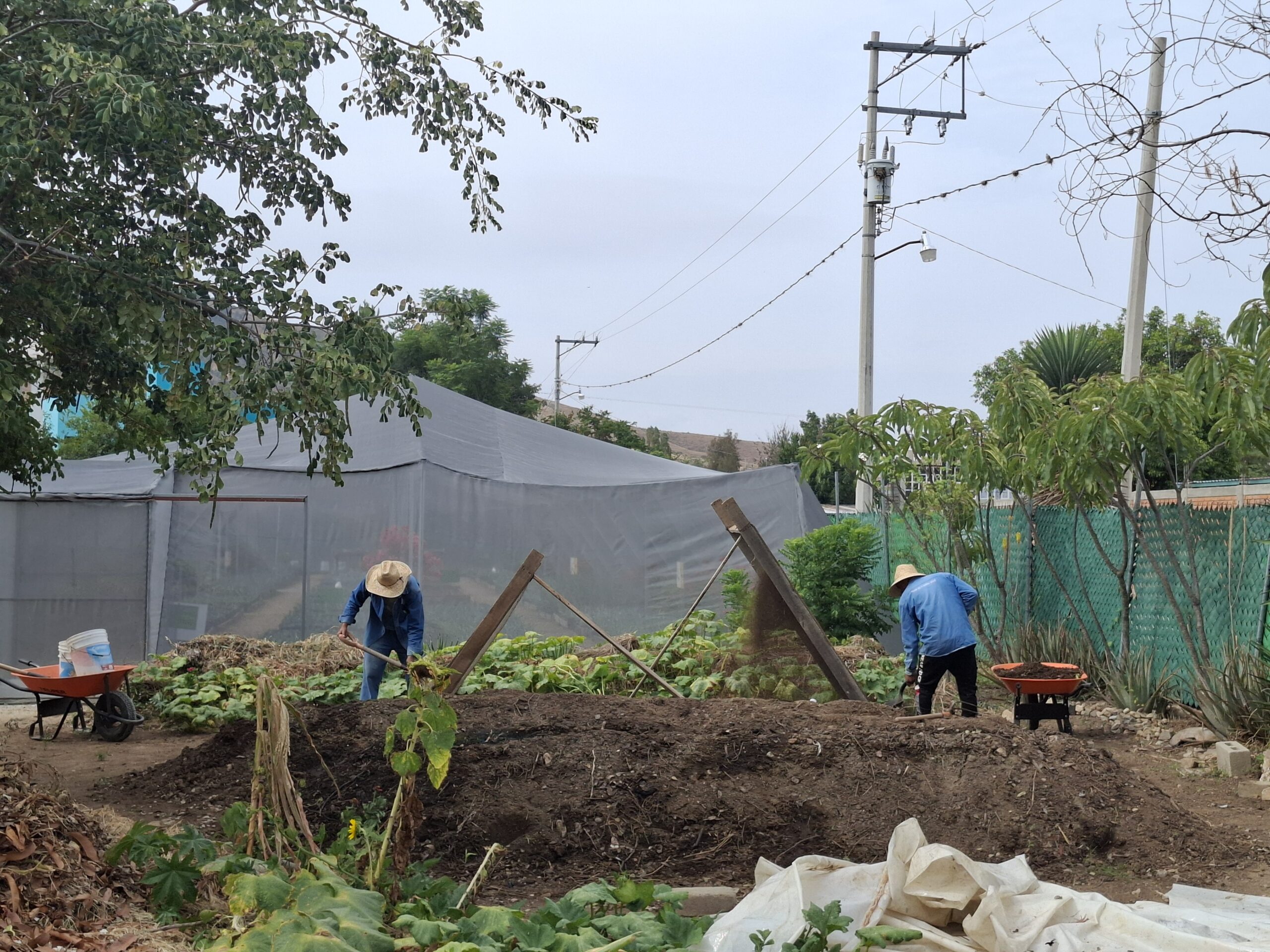
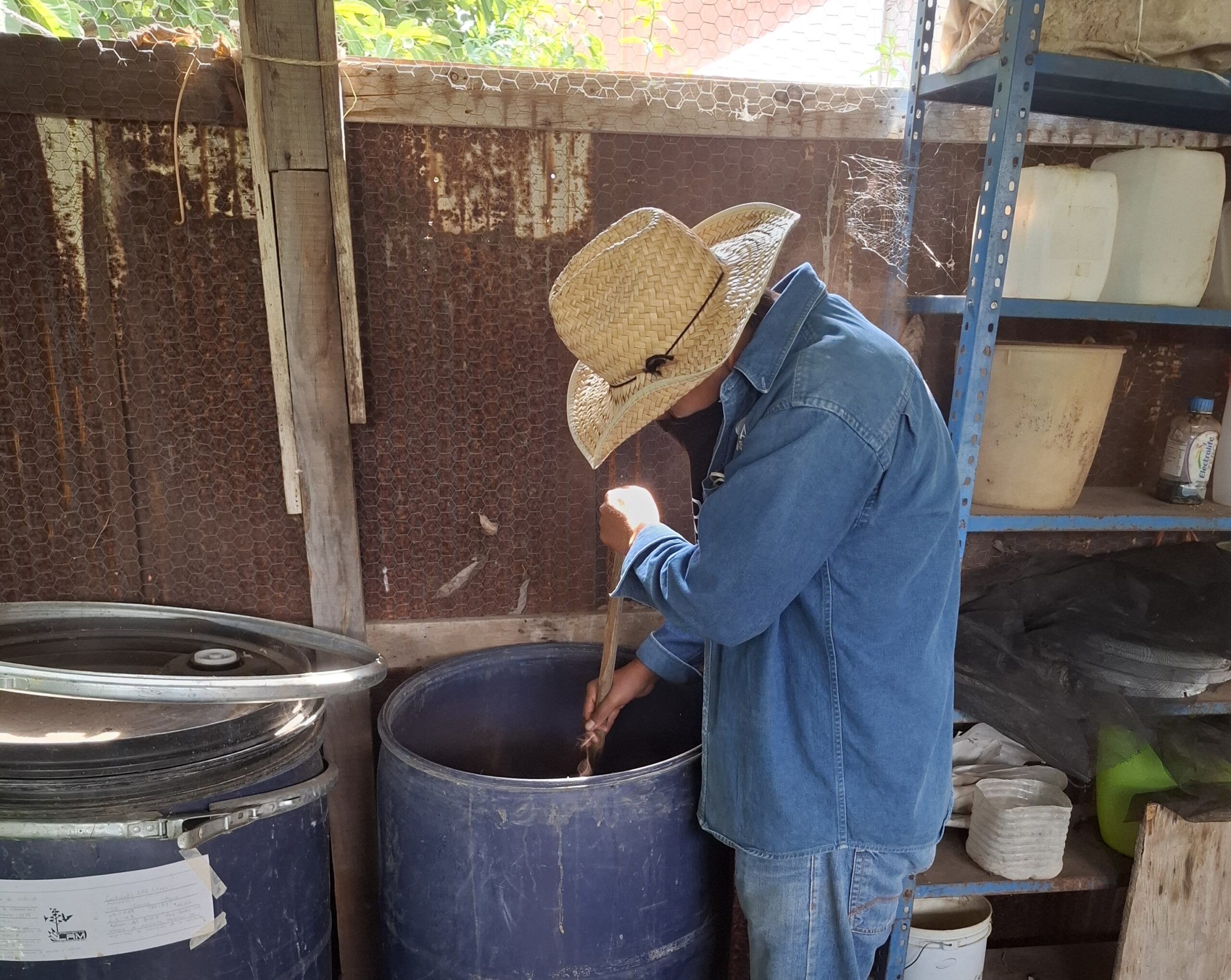
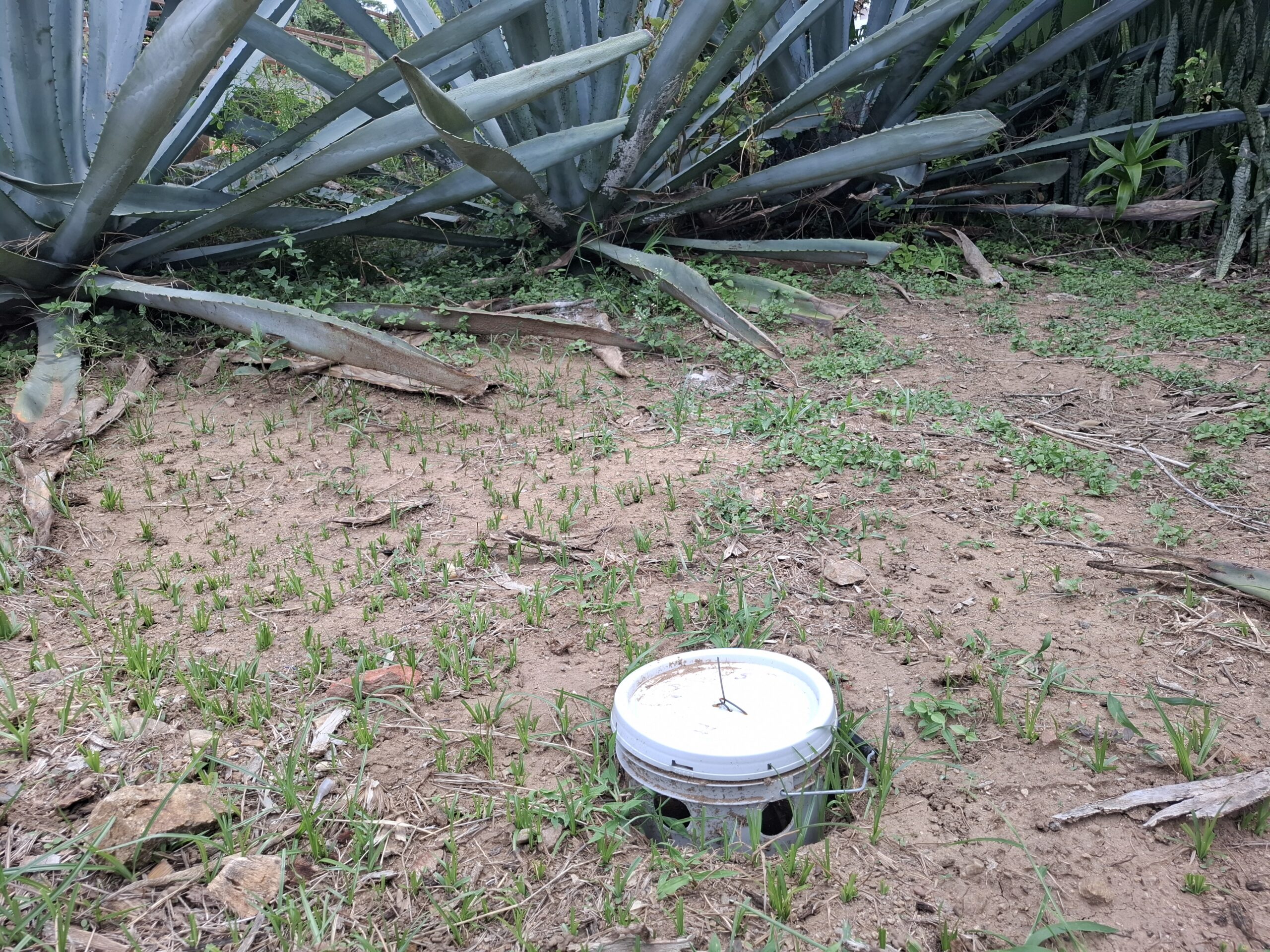
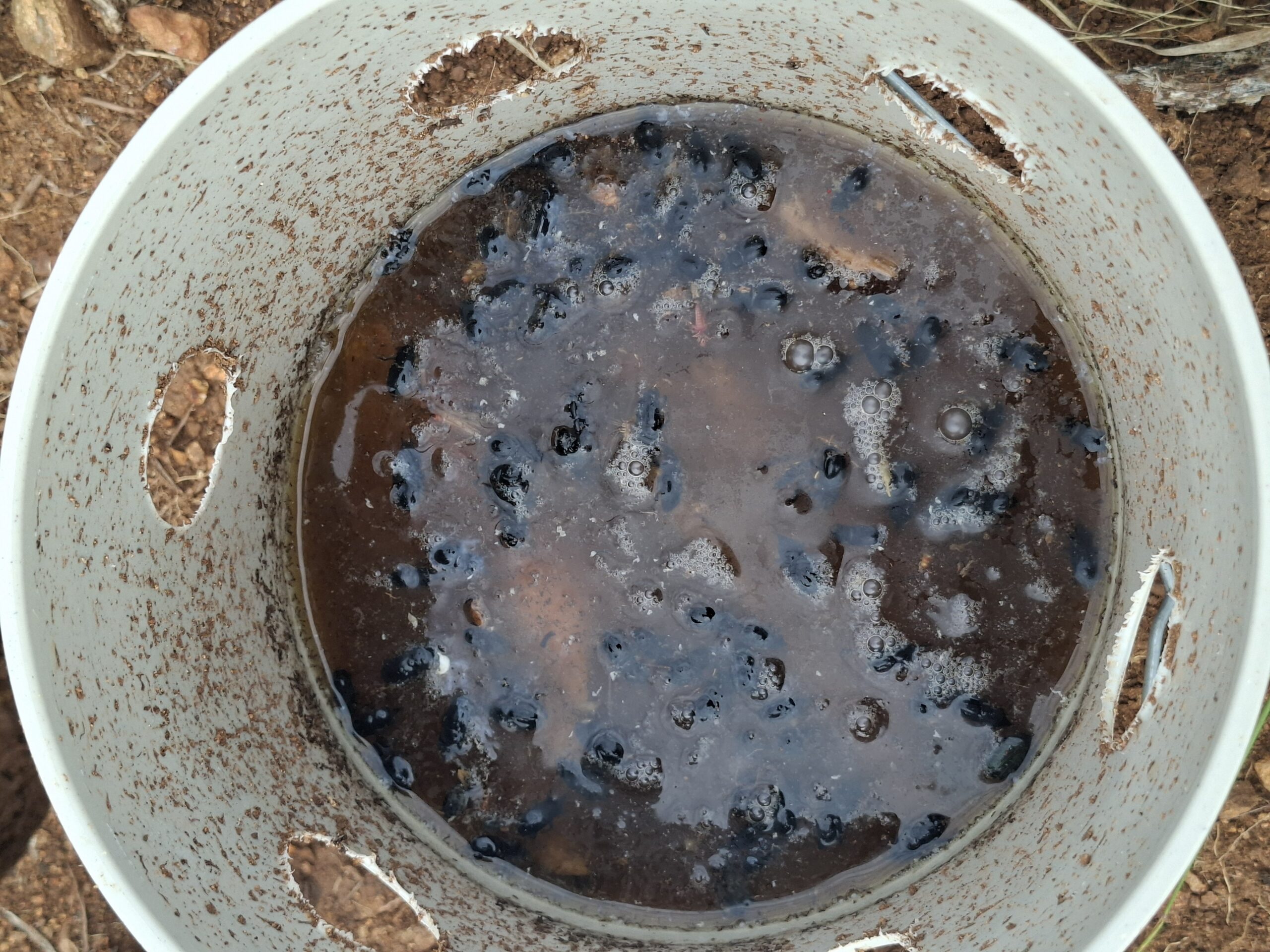
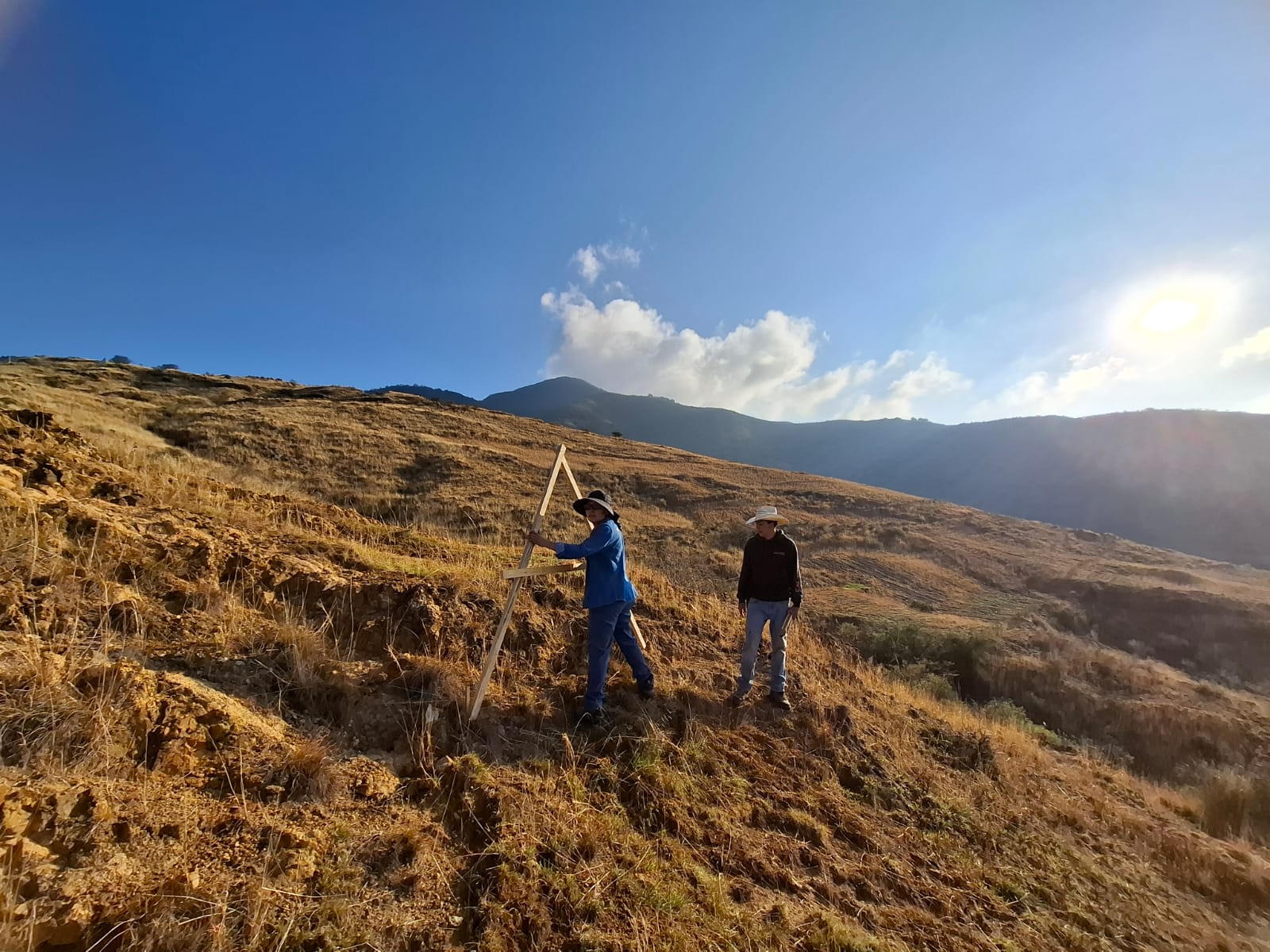
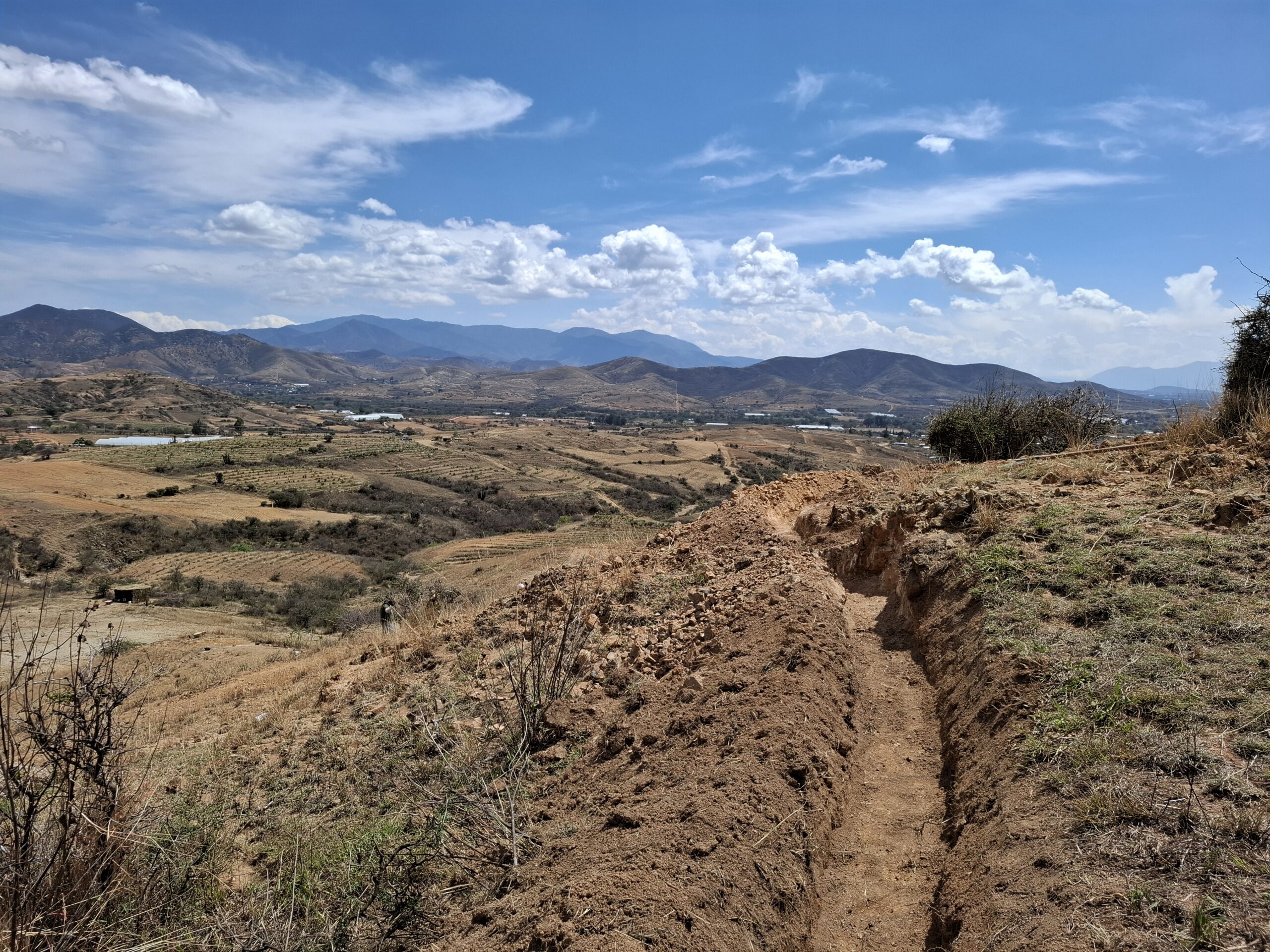
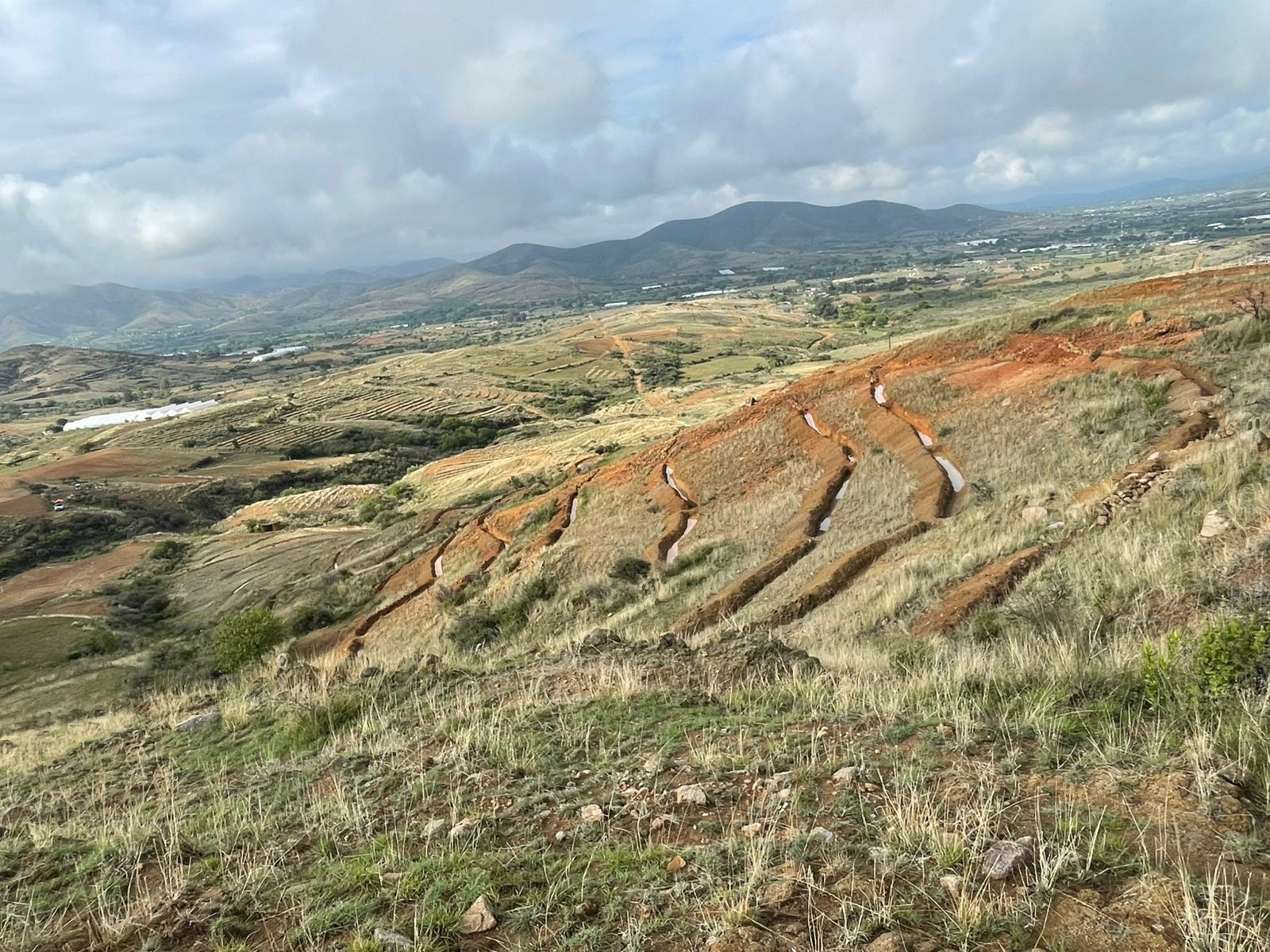
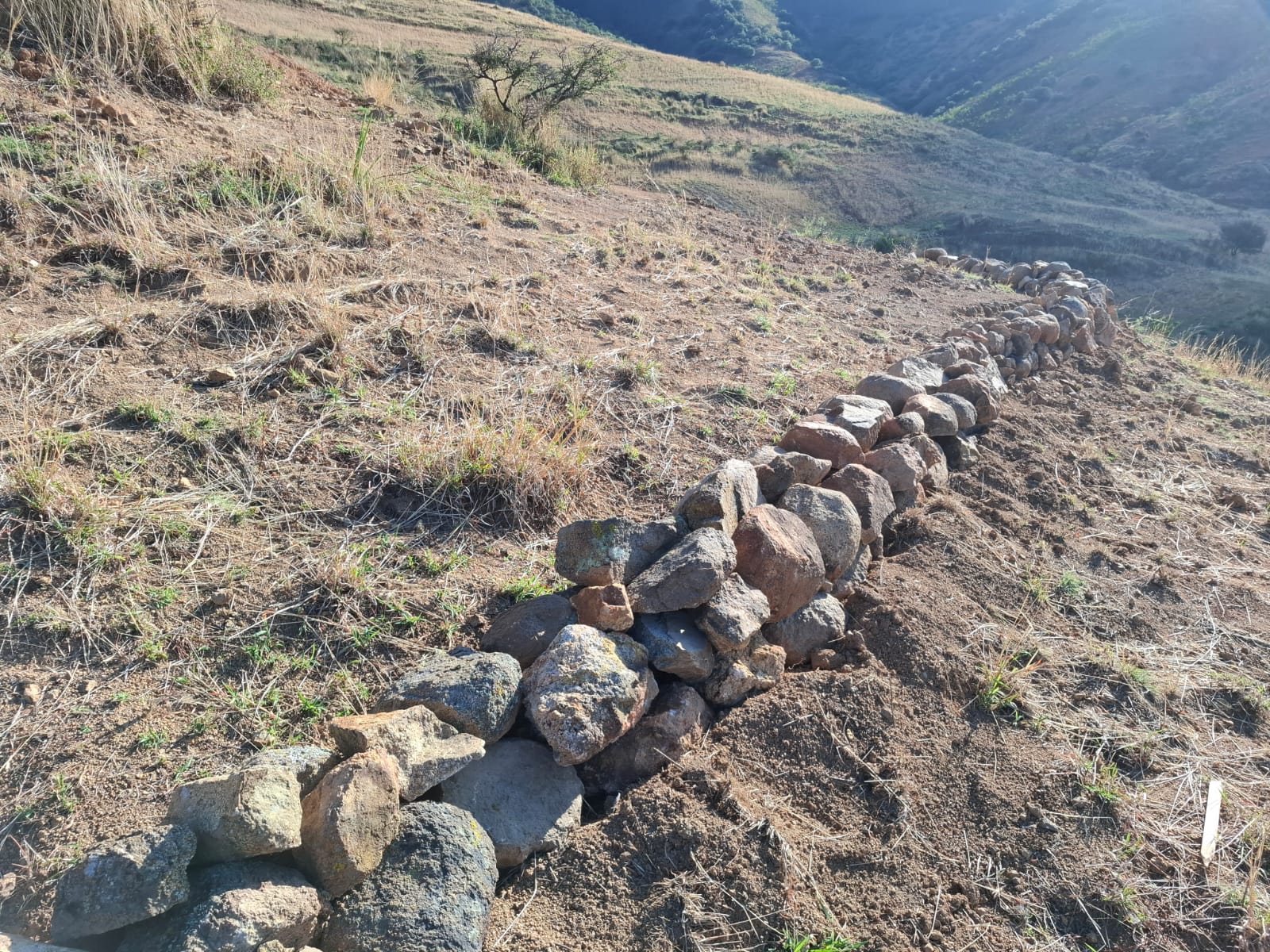
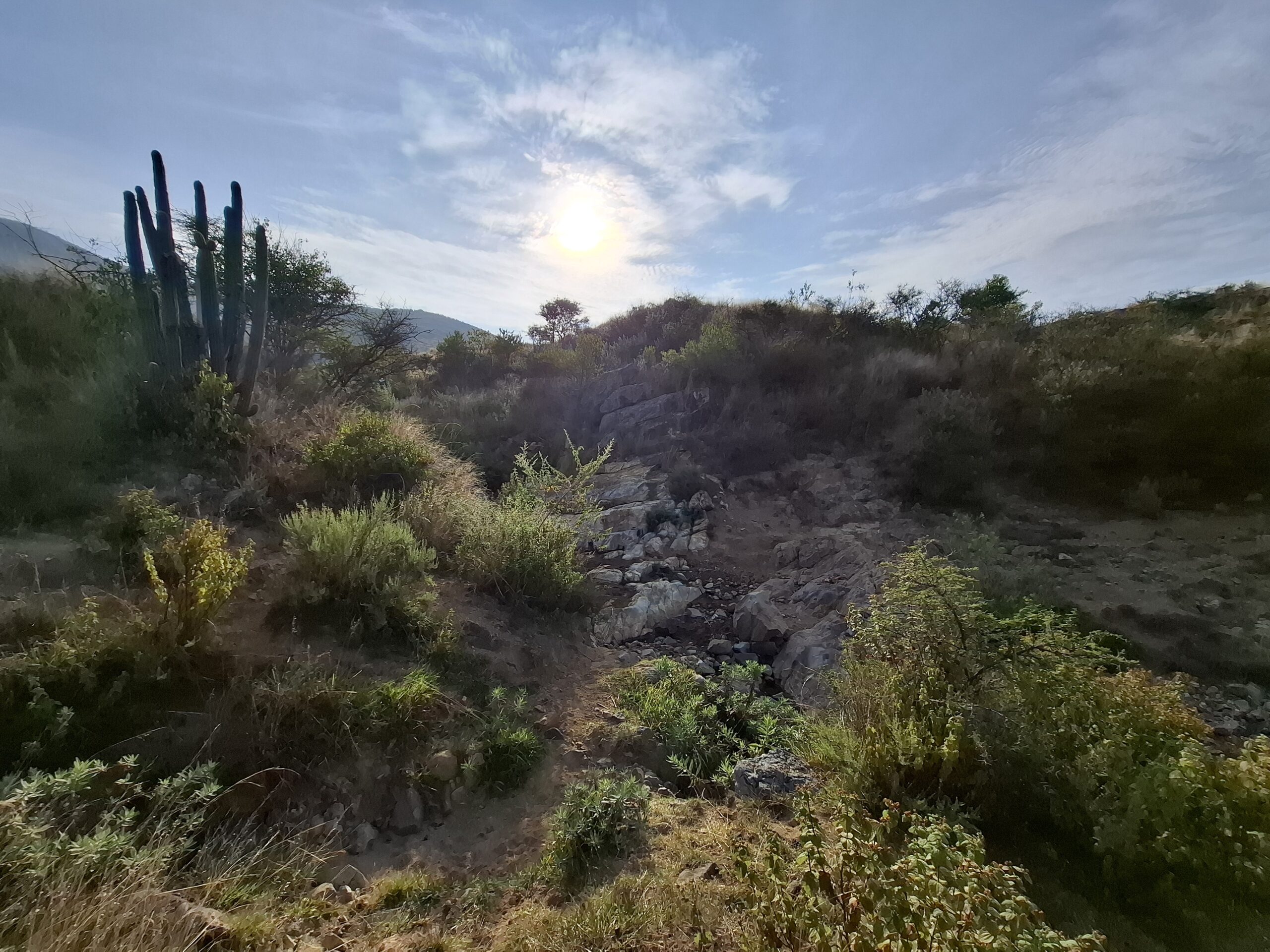
In addition to these practices, we are carrying out projects to reduce erosion and promote water infiltration and retention, as well as initiatives to restore vegetation. One of the main sites where we implement these actions is La Carreta, a property where we are conducting an ecological restoration project that also serves as an experimental site and demonstration plot.
In 2026, we built 23 infiltration and retention ditches and 4 water collection ponds at this site, in addition to planting various species of agave and more than 250 native trees. These are significant steps forward, but restoration is a long-term process, and we still have a lot of work ahead of us.
At La Carreta, production and restoration are part of the same process: agave plants coexist with native trees, intercropped crops, and soil and water conservation measures, creating a space where we continue to learn and adjust our management practices as we move forward.
As part of this long-term commitment, we are currently working to ensure that La Carreta and other Proyecto LAM properties become part of a Voluntarily Designated Conservation Area (ADVC).
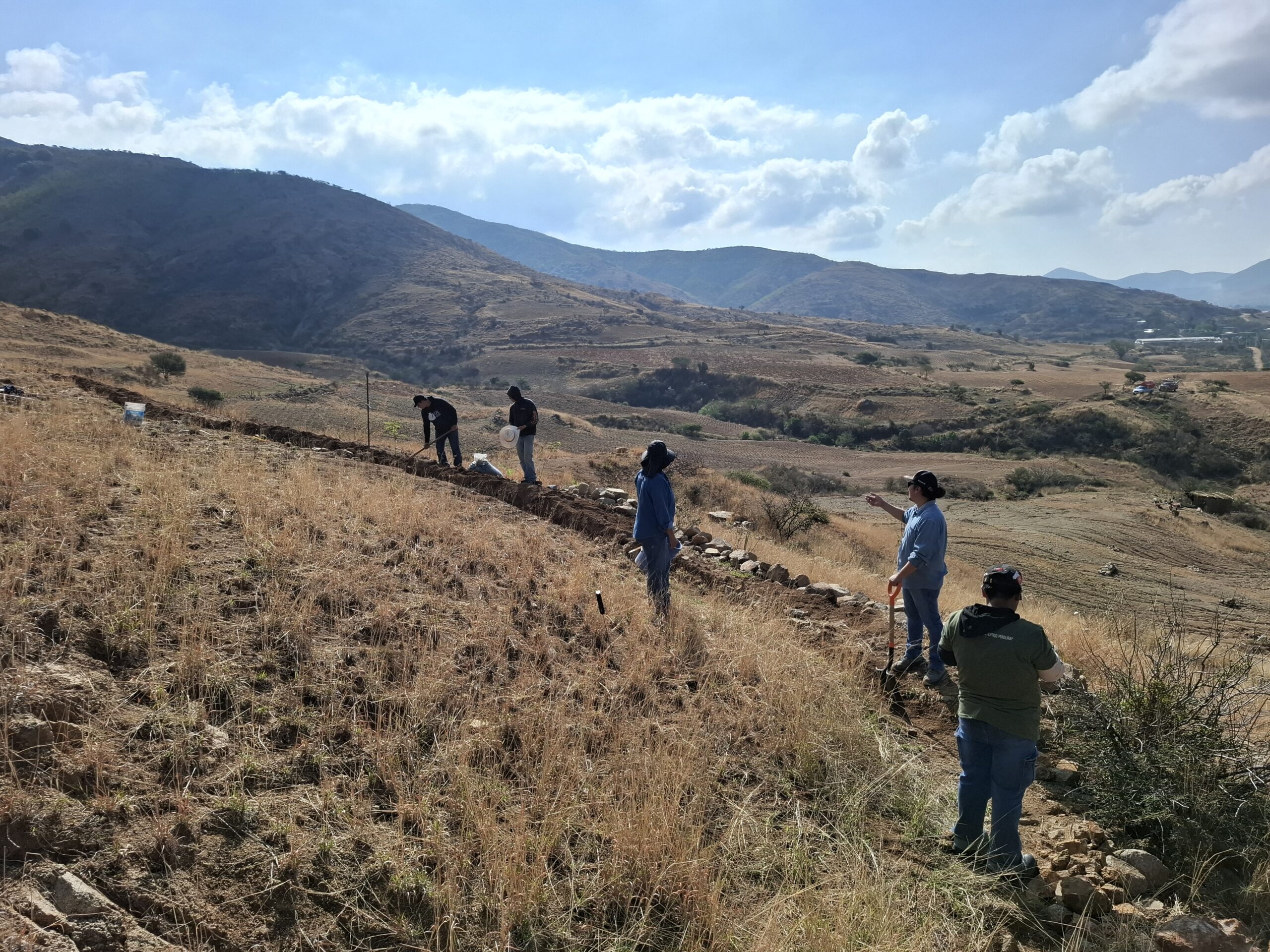
Each of these actions also presents an opportunity to observe, record, and generate information. Monitoring the agaves, the crops, and the restoration processes allows us to evaluate our work, adjust our practices, and ask new questions.
What we learn at our nurseries and on our properties doesn’t stay there. We seek to share and build upon that knowledge through research, environmental education, and citizen science. In this way, our day-to-day work in the field also becomes an opportunity to generate knowledge together with others.